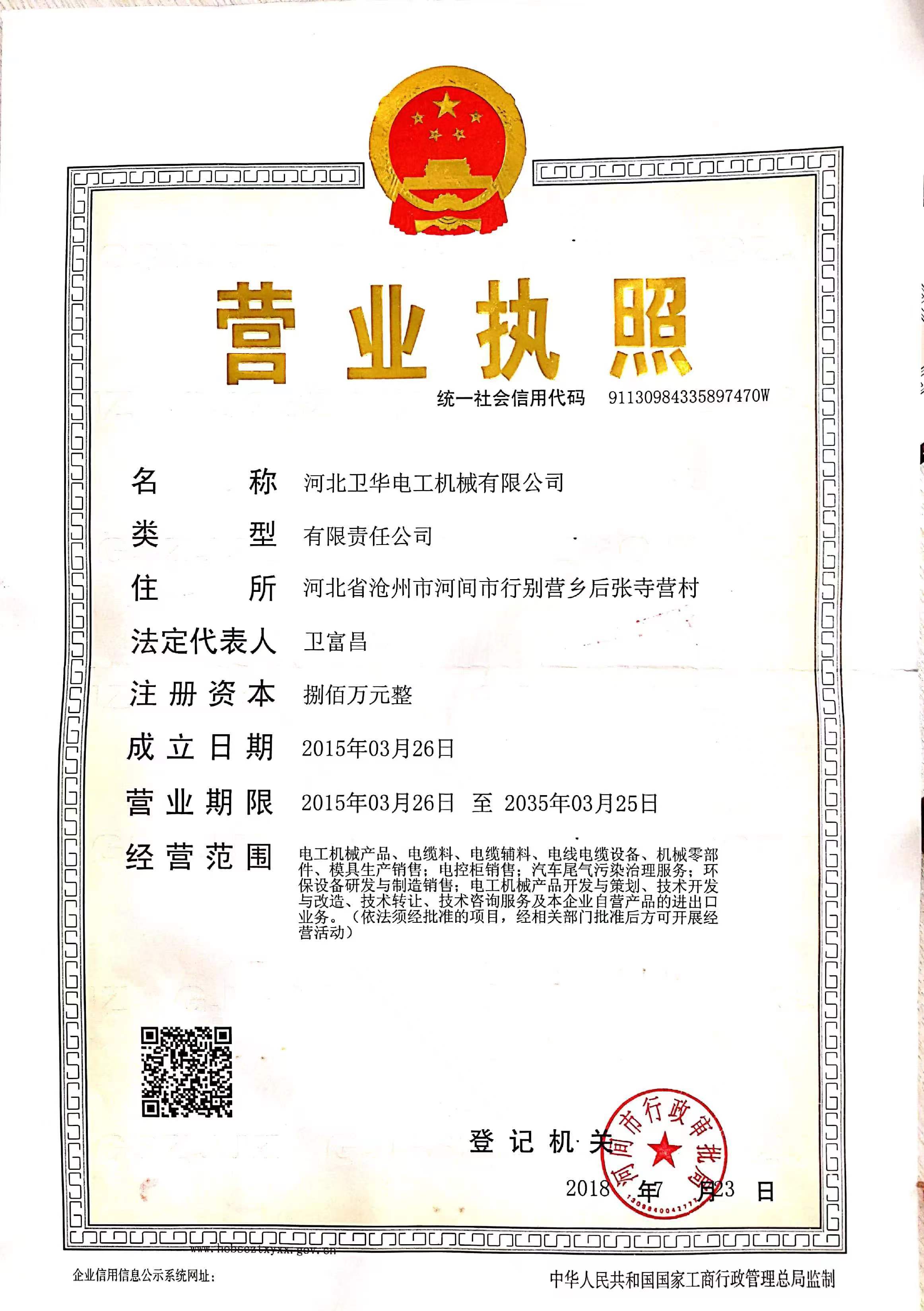
Weihua Electrical Machinery is a professional manufacturer of electrical machinery products integrating design, production, sales and service.




Plastic Extruder company
2025-12-19 16:42


The plastic extruder stands as a cornerstone of modern manufacturing, a versatile machine fundamental to producing a vast array of plastic products. This process involves heating thermoplastic materials until molten and then forcing them through a shaped die to create continuous profiles. From the pipes concealed within our walls to the frames of our windows and the sealing on our refrigerators, the output of a plastic extruder is integral to daily life. Its principle is straightforward, yet its applications are nearly limitless, forming the backbone of continuous profile manufacturing across numerous industries worldwide.
A primary advantage of utilizing a plastic extruder is its exceptional efficiency in continuous production. Unlike batch processes, extrusion allows for the non-stop manufacture of products over extended periods, significantly optimizing output rates and reducing unit costs. This continuous operation is highly suitable for meeting large-scale demands for items like piping, siding, and sheet materials. The consistent flow enabled by a well-calibrated plastic extruder ensures uniform product dimensions and properties along the entire length, which is critical for quality and performance in many construction and industrial applications.
The technology offers remarkable material and design flexibility, which is a significant benefit. A modern plastic extruder can process a wide range of polymers, including PVC, polyethylene, polypropylene, and ABS, each selected for specific properties like durability, flexibility, or chemical resistance. By simply changing the die, the same machine can produce an entirely different cross-sectional profile. This adaptability allows manufacturers to respond quickly to market needs, producing everything from simple rods and tubes to complex multi-channel designs for technical applications, all from a single plastic extruder platform.
From a sustainability perspective, the extrusion process presents notable advantages, particularly in material efficiency. The process generates minimal waste, as off-cuts and reject material can often be reground and fed back into the plastic extruder as part of the raw material mix. Furthermore, the ability to produce lightweight yet strong plastic components contributes to energy savings in sectors like automotive and aerospace through weight reduction. Ongoing advancements are also enhancing the efficiency of extruders themselves, with improved screw designs and heating controls that reduce overall energy consumption during operation.
Plastic Extruder company
recommend reading
Key Features to Look for in a Cold Feed Rubber Extruder for Electrical Wiring
Key Features to Look for in a Cold Feed Rubber Extruder for Electrical Wiring Understanding Cold Feed Rubber Extruders Cold feed rubber extruders play a crucial role in the manufacturing of electrical wiring. These machines process raw rubber materials into various forms, ensuring they meet specific standards for electrical applications. Understanding the key features of cold feed rubber extruders
Understanding Rubber Extruders: Key Insights for the Electrical Industry
In the electrical and cable industry, the rubber extruder plays a pivotal role in the manufacturing process, particularly when it comes to producing insulation and jacketing for wires and cables. A rubber extruder is a machine that shapes rubber materials into specific profiles or forms by forcing them through a die. Understanding the fundamentals of rubber extruders can significantly enhance oper
The Essential Guide to Cable Types in Production Lines
The Essential Guide to Cable Types in Production Lines Table of Contents Introduction to Cable Types in Production Lines Understanding Different Types of Cables Single-Core vs. Multi-Core Cables: Which Is Right for You? Types of Cables Commonly Used in Production Lines Power Cables Control Cables Data Cables Specialty Cables
The Essential Role of Plastic Extruders in Cable Manufacturing
Plastic extruders play a pivotal role in the modern manufacturing of electrical wires and cables, particularly in the creation of insulation and protective coatings that ensure durability and performance. These machines are designed to melt plastic pellets and then force the molten material through a die to create continuous shapes, making them indispensable in the production of various cable comp
Comparative Analysis: Different Types of Wire and Cable Extrusion Production Lines
Comparative Analysis: Different Types of Wire and Cable Extrusion Production Lines Introduction to Wire and Cable Extrusion Extrusion is a critical process in the production of wires and cables. This procedure involves forcing molten material through a die to create a continuous product with a fixed cross-sectional profile. In the context of the electrical industry, wires and cables are pivotal fo
Understanding Cold Feed Rubber Extruders: A Key Component in Electrical Wire and Cable Manufacturing
In the realm of electrical wire and cable manufacturing, the cold feed rubber extruder stands out as a pivotal technology. This specialized piece of equipment is designed to process rubber compounds at ambient temperatures, offering several advantages over traditional extrusion methods. Understanding the functionality and benefits of cold feed rubber extruders can help manufacturers optimize their