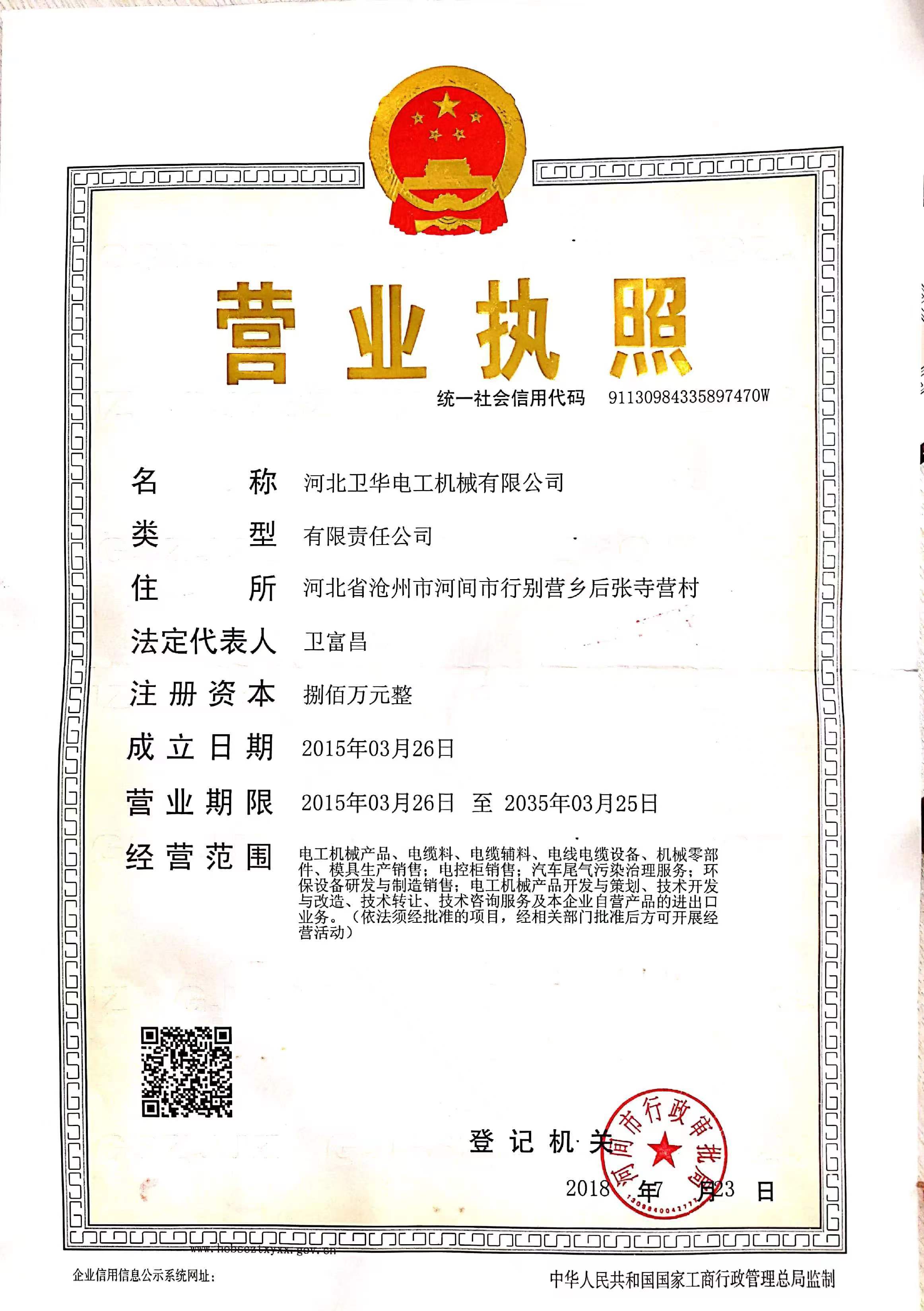
Weihua Electrical Machinery is a professional manufacturer of electrical machinery products integrating design, production, sales and service.




Understanding Cold Feed Rubber Extruders: A Key Component in Electrical Wire and Cable Manufacturing
2026-05-19 10:30

Cold feed rubber extruders operate by feeding raw rubber material into a barrel, where it is conveyed towards a die using a screw mechanism. Unlike hot feed extruders, which rely on preheating materials before processing, cold feed extruders maintain the rubber at a cooler temperature throughout the extrusion process. This feature is particularly advantageous for materials that are sensitive to heat, as it helps preserve the integrity and properties of the rubber.
One of the primary benefits of using a cold feed rubber extruder is its ability to produce a more consistent and uniform product. The cold feeding method minimizes the risk of thermal degradation, ensuring that the physical and chemical properties of the rubber remain intact. This consistency is crucial in the production of electrical cables, where variations in material properties can lead to performance issues or failures.
Additionally, cold feed rubber extruders offer greater flexibility in processing a wide range of rubber compounds. Manufacturers can easily adjust parameters such as screw speed and temperature to accommodate different formulations, making it easier to experiment with new materials or adapt to changing market demands. This adaptability is particularly valuable in the fast-paced electrical industry, where innovation and responsiveness are essential for staying competitive.
Another critical aspect of cold feed rubber extruders is their efficiency in material usage. The design of these machines often allows for better control over the extrusion process, reducing waste and ensuring that a higher percentage of the raw material is converted into the final product. This efficiency not only lowers production costs but also contributes to more sustainable manufacturing practices, as less material waste means a reduced environmental footprint.
Moreover, the cold feed rubber extruder can be integrated with various downstream processes, such as cooling and cutting, to streamline the overall production workflow. By combining multiple stages of production into a single system, manufacturers can enhance productivity and reduce lead times, ultimately improving their ability to meet customer demands.
In conclusion, cold feed rubber extruders play a vital role in the manufacturing of electrical wires and cables. Their ability to maintain material integrity, produce uniform products, and reduce waste makes them an essential tool in the industry. Understanding how these machines operate and their advantages can help manufacturers make informed decisions about their production processes, leading to improved efficiency and product quality. Embracing this technology is key for businesses aiming to thrive in the evolving landscape of electrical manufacturing.
Understanding Cold Feed Rubber Extruders: A Key Component in Electrical Wire and Cable Manufacturing
recommend reading
Key Features to Look for in a Cold Feed Rubber Extruder for Electrical Wiring
Key Features to Look for in a Cold Feed Rubber Extruder for Electrical Wiring Understanding Cold Feed Rubber Extruders Cold feed rubber extruders play a crucial role in the manufacturing of electrical wiring. These machines process raw rubber materials into various forms, ensuring they meet specific standards for electrical applications. Understanding the key features of cold feed rubber extruders
Understanding Rubber Extruders: Key Insights for the Electrical Industry
In the electrical and cable industry, the rubber extruder plays a pivotal role in the manufacturing process, particularly when it comes to producing insulation and jacketing for wires and cables. A rubber extruder is a machine that shapes rubber materials into specific profiles or forms by forcing them through a die. Understanding the fundamentals of rubber extruders can significantly enhance oper
The Essential Guide to Cable Types in Production Lines
The Essential Guide to Cable Types in Production Lines Table of Contents Introduction to Cable Types in Production Lines Understanding Different Types of Cables Single-Core vs. Multi-Core Cables: Which Is Right for You? Types of Cables Commonly Used in Production Lines Power Cables Control Cables Data Cables Specialty Cables
The Essential Role of Plastic Extruders in Cable Manufacturing
Plastic extruders play a pivotal role in the modern manufacturing of electrical wires and cables, particularly in the creation of insulation and protective coatings that ensure durability and performance. These machines are designed to melt plastic pellets and then force the molten material through a die to create continuous shapes, making them indispensable in the production of various cable comp
Comparative Analysis: Different Types of Wire and Cable Extrusion Production Lines
Comparative Analysis: Different Types of Wire and Cable Extrusion Production Lines Introduction to Wire and Cable Extrusion Extrusion is a critical process in the production of wires and cables. This procedure involves forcing molten material through a die to create a continuous product with a fixed cross-sectional profile. In the context of the electrical industry, wires and cables are pivotal fo
Understanding Cold Feed Rubber Extruders: A Key Component in Electrical Wire and Cable Manufacturing
In the realm of electrical wire and cable manufacturing, the cold feed rubber extruder stands out as a pivotal technology. This specialized piece of equipment is designed to process rubber compounds at ambient temperatures, offering several advantages over traditional extrusion methods. Understanding the functionality and benefits of cold feed rubber extruders can help manufacturers optimize their