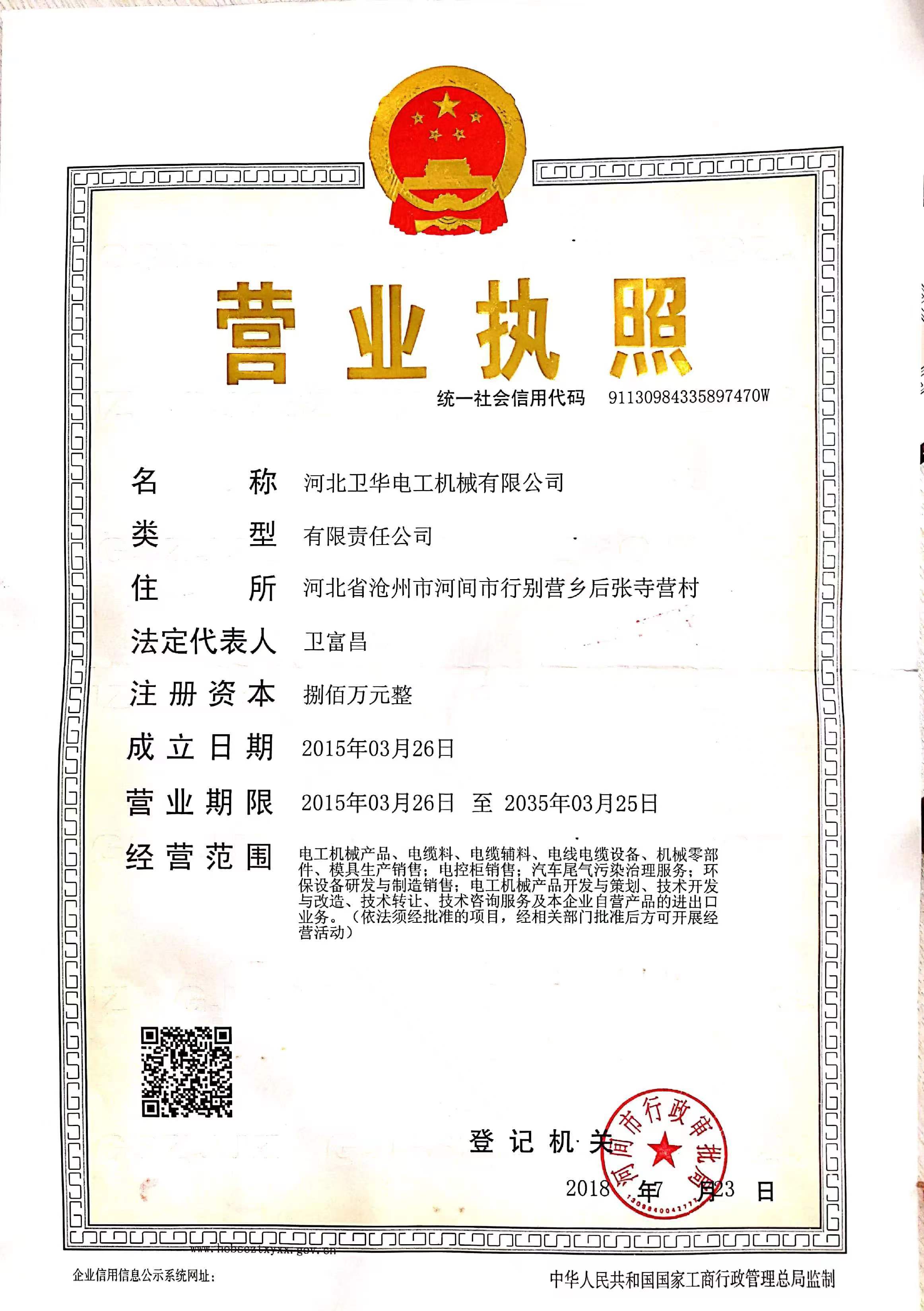
Weihua Electrical Machinery is a professional manufacturer of electrical machinery products integrating design, production, sales and service.




The Science Behind Rubber Extrusion in Electrical Applications: A Comprehensive Guide
2025-12-23 09:30

The Science Behind Rubber Extrusion in Electrical Applications
Table of Contents
- 1. Introduction to Rubber Extrusion
- 2. What is Rubber Extrusion?
- 3. The Process of Rubber Extrusion
- 4. Types of Rubber Used in Electrical Applications
- 5. Applications of Rubber Extrusion in the Electrical Industry
- 6. Benefits of Rubber Extrusion in Electrical Applications
- 7. Challenges in Rubber Extrusion and Their Solutions
- 8. Future Trends in Rubber Extrusion Technology
- 9. FAQs About Rubber Extrusion in Electrical Applications
- 10. Conclusion
1. Introduction to Rubber Extrusion
Rubber extrusion is a vital manufacturing process that creates specific shapes and components from rubber materials. It plays a significant role in various industries, especially in electrical applications where insulation, protection, and performance are paramount. Understanding the science behind rubber extrusion not only enhances your knowledge but also allows for informed decisions in selecting materials for electrical projects.
2. What is Rubber Extrusion?
Rubber extrusion is the process of shaping rubber materials into continuous profiles. Using heat and pressure, raw rubber is forced through a die, resulting in desired shapes such as tubes, seals, and cables. This method allows manufacturers to create products with precise dimensions and consistent quality. The versatility of rubber extrusion makes it ideal for various electrical applications, ensuring the safety and efficiency of electrical systems.
3. The Process of Rubber Extrusion
The rubber extrusion process involves several key steps:
3.1 Material Preparation
The process begins with selecting the appropriate rubber compound, which is formulated to meet specific electrical and mechanical requirements. The rubber is then mixed with additives to enhance its properties, such as heat resistance, flexibility, and durability.
3.2 Feeding the Extruder
Once prepared, the rubber compound is fed into an extruder, a machine equipped with a screw that helps transport and melt the rubber. The temperature and pressure within the extruder are carefully controlled to ensure optimal processing conditions.
3.3 Shaping Through the Die
The melted rubber is then forced through a die, which shapes it into the desired profile. The die's design is crucial, as it determines the final dimensions and characteristics of the extruded rubber product.
3.4 Cooling and Finishing
After exiting the die, the extruded rubber is cooled to set its shape. Additional finishing processes, such as trimming and surface treatment, may be performed to meet specific requirements.
4. Types of Rubber Used in Electrical Applications
Different types of rubber are used in the extrusion process, each possessing unique properties suited for electrical applications. Some common types include:
4.1 Ethylene Propylene Diene Monomer (EPDM)
EPDM rubber is known for its excellent weather resistance, electrical insulation properties, and thermal stability. It is commonly used in outdoor electrical applications.
4.2 Silicone Rubber
Silicone rubber offers outstanding temperature resistance and flexibility. It is often used in high-temperature electrical applications and environments where extreme conditions prevail.
4.3 Neoprene Rubber
Neoprene is valued for its resistance to oils and chemicals, making it suitable for electrical components exposed to harsh substances.
4.4 Nitrile Rubber
Nitrile rubber, known for its oil and fuel resistance, is often used in electrical connectors and cables, ensuring longevity and reliability in various applications.
5. Applications of Rubber Extrusion in the Electrical Industry
Rubber extrusion finds extensive use in the electrical industry, powering various components and systems. Key applications include:
5.1 Electrical Insulation
Rubber extrusions are widely used for insulative materials in cables and wires, protecting against electrical shock and ensuring safe operation.
5.2 Seals and Gaskets
Custom rubber extrusions provide effective seals and gaskets that prevent moisture, dust, and contaminants from entering electrical equipment, enhancing reliability.
5.3 Overmolding Components
Rubber extrusion is utilized in overmolding processes to create soft-touch grips for electrical tools and devices, improving user experience and grip.
5.4 Cable Management Solutions
Rubber extruded profiles serve as protective sleeves for cables, ensuring organization and safety in complex electrical installations.
6. Benefits of Rubber Extrusion in Electrical Applications
The advantages of rubber extrusion extend beyond mere functionality. Key benefits include:
6.1 Customization
Rubber extrusion allows for high levels of customization, enabling manufacturers to create products tailored to specific electrical needs and standards.
6.2 Cost-Effectiveness
Mass production capabilities of rubber extrusion result in economies of scale, making it a cost-effective solution for manufacturers.
6.3 Consistency and Quality
The automated nature of the extrusion process ensures consistent quality and dimensions across batches, reducing variability in electrical components.
6.4 Durability and Longevity
Rubber extrusions are designed to withstand harsh conditions, including extreme temperatures and chemicals, prolonging the lifespan of electrical products.
7. Challenges in Rubber Extrusion and Their Solutions
While rubber extrusion is highly beneficial, certain challenges can arise during the process. Understanding these challenges and their solutions can help improve overall outcomes.
7.1 Material Waste
Excess material can lead to waste in the extrusion process. Implementing efficient cutting techniques and optimizing die design can mitigate this issue.
7.2 Process Control
Maintaining consistent temperature and pressure is crucial for quality. Regular monitoring and the use of advanced control systems can enhance reliability.
7.3 Die Wear and Tear
Over time, dies can degrade, affecting product quality. Regular maintenance and timely replacement of dies can prevent quality issues.
8. Future Trends in Rubber Extrusion Technology
The rubber extrusion industry is evolving, with several trends shaping its future:
8.1 Automation and Smart Manufacturing
The integration of automation and smart technology will streamline the extrusion process, enhancing efficiency and reducing human error.
8.2 Sustainable Practices
Emphasis on sustainability is driving the development of eco-friendly rubber materials and processes, aiming to reduce the environmental impact of rubber extrusion.
8.3 Advanced Materials
Innovations in rubber formulations that enhance performance characteristics will continue to emerge, catering to the growing demands of the electrical industry.
9. FAQs About Rubber Extrusion in Electrical Applications
9.1 What is the role of rubber in electrical applications?
Rubber provides insulation, protection, and sealing in electrical components, crucial for ensuring safety and performance.
9.2 How does the rubber extrusion process work?
Rubber is heated and forced through a die to create specific shapes, followed by cooling and finishing for optimal quality.
9.3 What types of rubber are best for electrical applications?
EPDM, silicone, neoprene, and nitrile rubbers are commonly used due to their specific properties suitable for electrical use.
9.4 What are the advantages of using rubber extrusion?
Rubber extrusion offers customization, cost-effectiveness, consistent quality, and durability, making it ideal for electrical components.
9.5 What challenges are faced in rubber extrusion?
Common challenges include material waste, process control, and die wear, which can be addressed through efficient practices and technology.
10. Conclusion
Rubber extrusion is a vital process in the electrical industry, providing essential components that enhance safety, efficiency, and performance. By understanding the science behind rubber extrusion, its applications, and potential challenges, manufacturers can make informed decisions that contribute to the success of their electrical projects. As technology continues to advance, the future of rubber extrusion looks promising, offering innovative solutions that will meet the evolving demands of the electrical industry.
The Science Behind Rubber Extrusion in Electrical Applications: A Comprehensive Guide
recommend reading
Key Features to Look for in a Cold Feed Rubber Extruder for Electrical Wiring
Key Features to Look for in a Cold Feed Rubber Extruder for Electrical Wiring Understanding Cold Feed Rubber Extruders Cold feed rubber extruders play a crucial role in the manufacturing of electrical wiring. These machines process raw rubber materials into various forms, ensuring they meet specific standards for electrical applications. Understanding the key features of cold feed rubber extruders
Understanding Rubber Extruders: Key Insights for the Electrical Industry
In the electrical and cable industry, the rubber extruder plays a pivotal role in the manufacturing process, particularly when it comes to producing insulation and jacketing for wires and cables. A rubber extruder is a machine that shapes rubber materials into specific profiles or forms by forcing them through a die. Understanding the fundamentals of rubber extruders can significantly enhance oper
The Essential Guide to Cable Types in Production Lines
The Essential Guide to Cable Types in Production Lines Table of Contents Introduction to Cable Types in Production Lines Understanding Different Types of Cables Single-Core vs. Multi-Core Cables: Which Is Right for You? Types of Cables Commonly Used in Production Lines Power Cables Control Cables Data Cables Specialty Cables
The Essential Role of Plastic Extruders in Cable Manufacturing
Plastic extruders play a pivotal role in the modern manufacturing of electrical wires and cables, particularly in the creation of insulation and protective coatings that ensure durability and performance. These machines are designed to melt plastic pellets and then force the molten material through a die to create continuous shapes, making them indispensable in the production of various cable comp
Comparative Analysis: Different Types of Wire and Cable Extrusion Production Lines
Comparative Analysis: Different Types of Wire and Cable Extrusion Production Lines Introduction to Wire and Cable Extrusion Extrusion is a critical process in the production of wires and cables. This procedure involves forcing molten material through a die to create a continuous product with a fixed cross-sectional profile. In the context of the electrical industry, wires and cables are pivotal fo
Understanding Cold Feed Rubber Extruders: A Key Component in Electrical Wire and Cable Manufacturing
In the realm of electrical wire and cable manufacturing, the cold feed rubber extruder stands out as a pivotal technology. This specialized piece of equipment is designed to process rubber compounds at ambient temperatures, offering several advantages over traditional extrusion methods. Understanding the functionality and benefits of cold feed rubber extruders can help manufacturers optimize their