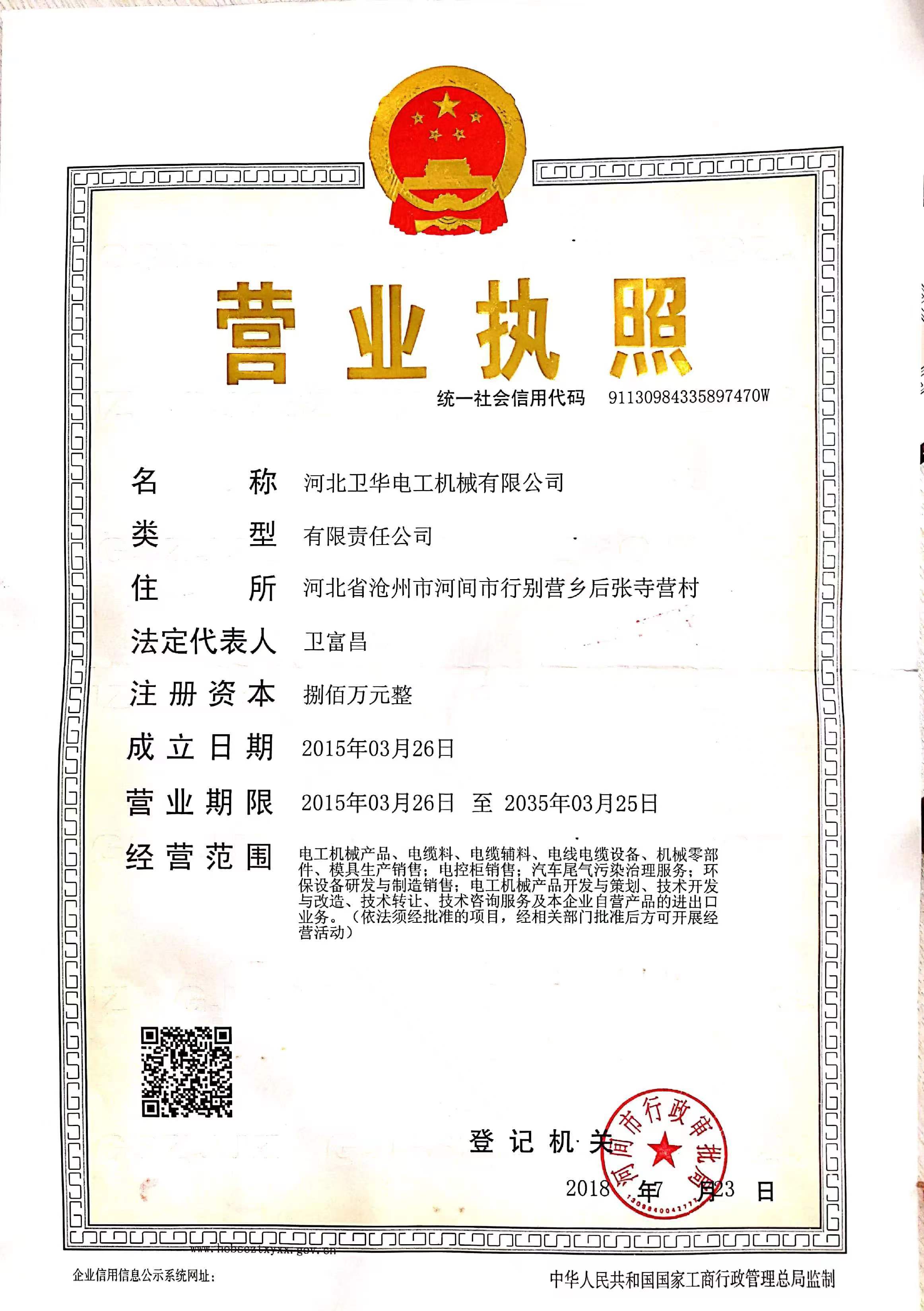
Weihua Electrical Machinery is a professional manufacturer of electrical machinery products integrating design, production, sales and service.




Comparative Analysis: Different Types of Wire and Cable Extrusion Production Lines
2026-05-26 10:40

Comparative Analysis: Different Types of Wire and Cable Extrusion Production Lines
Introduction to Wire and Cable Extrusion
Extrusion is a critical process in the production of wires and cables. This procedure involves forcing molten material through a die to create a continuous product with a fixed cross-sectional profile. In the context of the electrical industry, wires and cables are pivotal for power transmission, communication, and various applications. Understanding the differences in extrusion production lines can help manufacturers choose the right system to boost productivity and ensure product quality.
The Significance of Choosing the Right Extrusion Production Line
Selecting the appropriate extrusion production line can significantly influence the efficiency of manufacturing operations. With a variety of options available, including single-screw and twin-screw extruders, understanding their functionalities is vital. Each type of extrusion line has its advantages and limitations, impacting everything from product quality to energy consumption.
Types of Wire and Cable Extrusion Production Lines
Manufacturers primarily rely on two types of extrusion production lines: single-screw extruders and twin-screw extruders. Each type plays a distinct role in the extrusion process and offers unique benefits.
1. Single-Screw Extruders
Single-screw extruders are the most common extrusion systems used in the wire and cable industry. They consist of a single helical screw that transports, compresses, and melts the material. This type of extruder is favored for its simplicity and ease of maintenance.
**Advantages of Single-Screw Extruders:**
- Cost-effective: Generally, single-screw extruders are less expensive to purchase and operate than their twin-screw counterparts.
- Easier to operate: Operators find single-screw systems user-friendly, which reduces training time and costs.
- Reliable performance: Single-screw extruders have a long-standing reputation for reliability in producing uniform products.
**Limitations of Single-Screw Extruders:**
- Limited mixing capability: Single-screw extruders may not achieve the same level of homogeneity in the material compared to twin-screw systems.
- Lower output: For certain materials, single-screw systems may produce lower output rates, especially when processing high-viscosity materials.
2. Twin-Screw Extruders
Twin-screw extruders consist of two intermeshing screws that rotate in the same or opposite directions. They are increasingly popular for wire and cable production due to their enhanced processing capabilities.
**Advantages of Twin-Screw Extruders:**
- Superior mixing efficiency: The intermeshing design allows for excellent material blending and consistent product quality.
- Higher output rates: Twin-screw extruders can handle higher material flow rates, making them suitable for large-scale production.
- Versatile processing: These extruders can accommodate a wide range of materials, including thermoplastics and thermosets.
**Limitations of Twin-Screw Extruders:**
- Higher initial cost: The complexity of twin-screw systems generally results in a higher purchase price.
- More demanding maintenance: The intricate design may require more frequent maintenance and operator expertise.
Comparative Overview of Production Line Features
When comparing different extrusion production lines, several features warrant consideration, including:
1. Material Compatibility
Different types of extrusion lines are suitable for varying materials. For instance, single-screw extruders are often used for standard thermoplastics, whereas twin-screw extruders excel in processing filled or compounded materials due to their enhanced mixing capabilities.
2. Production Efficiency
Production efficiency, measured by output rates and material waste, is critical. Twin-screw extruders typically offer higher output rates, but single-screw systems may still be suitable for smaller production runs.
3. Energy Consumption
Energy efficiency is a growing concern in the manufacturing sector. Twin-screw extruders tend to require more energy due to their design complexity, but they can save energy in the long run due to higher output and reduced downtime.
4. Maintenance Requirements
Maintenance needs can significantly impact the overall cost of ownership. Single-screw extruders are generally easier to maintain, while twin-screw extruders may need specialized personnel for repairs and upkeep.
Technological Innovations in Extrusion Lines
Advancements in technology have significantly enhanced the capabilities of wire and cable extrusion production lines. Key innovations include:
1. Automation and Control Systems
Modern extrusion lines are equipped with advanced automation and control systems that streamline the production process. These systems provide real-time monitoring and adjustments, ensuring optimal performance and minimal waste.
2. Enhanced Die Design
Innovative die designs have improved the efficiency of both single-screw and twin-screw extruders. New die technologies allow for better cooling, reduced pressure drops, and enhanced shape accuracy.
3. Eco-Friendly Solutions
The industry is increasingly focusing on sustainability. Extrusion lines are now designed to minimize material waste and energy consumption, contributing to more environmentally friendly manufacturing practices.
Cost Analysis: Single-Screw vs. Twin-Screw Extrusion Lines
Cost is a significant factor when choosing between single-screw and twin-screw extrusion lines.
1. Initial Investment
Single-screw extruders generally have a lower initial cost compared to twin-screw systems. For startups or companies operating with tight budgets, single-screw extruders may be the more viable option.
2. Operating Costs
While twin-screw extruders may have higher initial capital costs, they can lead to lower operating costs over time due to their increased efficiency and output rates.
3. Long-Term ROI
Calculating long-term return on investment (ROI) is crucial. Companies should consider production speed, material costs, and potential market demands when evaluating the ROI of each extrusion type.
Real-World Applications and Case Studies
Exploring real-world applications of wire and cable extrusion lines can provide valuable insights into their effectiveness in various contexts.
1. Telecommunications Cables
Telecommunications companies often utilize twin-screw extruders for producing high-performance cables. The superior mixing capabilities ensure the precise formulation of materials necessary for optimal signal transmission.
2. Power Distribution Cables
Single-screw extruders are frequently used in manufacturing power distribution cables. Their reliability and cost-effectiveness make them an ideal choice for producing bulk quantities of standard wire types.
3. Specialty Cables
For specialty applications requiring complex materials, twin-screw extruders are the preferred choice. Industries such as aerospace and medical devices benefit from the high-quality output of these advanced systems.
Future Trends in Wire and Cable Extrusion Production Lines
The wire and cable extrusion industry is evolving, and several trends are shaping its future.
1. Increased Demand for Customization
As industries demand more customized solutions, extrusion lines must adapt to produce tailored products efficiently. This trend is driving innovations in extrusion technology.
2. Industry 4.0 and Smart Manufacturing
The integration of Industry 4.0 concepts into extrusion production lines is on the rise. Smart factories utilize IoT devices and AI to enhance production efficiency, reduce downtime, and ensure quality control.
3. Sustainability Focus
With growing environmental awareness, manufacturers are prioritizing sustainable practices in their extrusion processes. The development of eco-friendly materials and energy-efficient technologies will play a crucial role in future production lines.
FAQs About Wire and Cable Extrusion Production Lines
1. What are the main differences between single-screw and twin-screw extruders?
Single-screw extruders consist of a single helical screw, while twin-screw extruders have two intermeshing screws. Twin-screw systems offer better mixing and higher output rates but are generally more expensive.
2. How do I choose the right extrusion line for my needs?
Consider factors such as material compatibility, production volume, budget, and desired product quality when selecting an extrusion line.
3. Are twin-screw extruders worth the higher investment?
For larger production volumes or complex materials, twin-screw extruders can provide better efficiency and quality, potentially justifying the higher initial cost.
4. What materials can be processed using these extrusion lines?
Both single-screw and twin-screw extruders can process a variety of materials, including thermoplastics, thermosets, and filled compounds.
5. How can automation enhance the extrusion process?
Automation systems allow for real-time monitoring and adjustments, improving efficiency, reducing waste, and ensuring consistent product quality.
Conclusion
Selecting the right wire and cable extrusion production line is crucial for optimizing manufacturing processes in the electrical industry. Understanding the differences between single-screw and twin-screw extruders, along with their respective advantages and limitations, enables manufacturers to make informed decisions. As technology continues to evolve, embracing innovative solutions such as automation and sustainable practices will be essential for remaining competitive in this dynamic market. By staying informed and adapting to industry trends, manufacturers can enhance productivity, reduce costs, and achieve long-term success in wire and cable production.
Comparative Analysis: Different Types of Wire and Cable Extrusion Production Lines
recommend reading
Key Features to Look for in a Cold Feed Rubber Extruder for Electrical Wiring
Key Features to Look for in a Cold Feed Rubber Extruder for Electrical Wiring Understanding Cold Feed Rubber Extruders Cold feed rubber extruders play a crucial role in the manufacturing of electrical wiring. These machines process raw rubber materials into various forms, ensuring they meet specific standards for electrical applications. Understanding the key features of cold feed rubber extruders
Understanding Rubber Extruders: Key Insights for the Electrical Industry
In the electrical and cable industry, the rubber extruder plays a pivotal role in the manufacturing process, particularly when it comes to producing insulation and jacketing for wires and cables. A rubber extruder is a machine that shapes rubber materials into specific profiles or forms by forcing them through a die. Understanding the fundamentals of rubber extruders can significantly enhance oper
The Essential Guide to Cable Types in Production Lines
The Essential Guide to Cable Types in Production Lines Table of Contents Introduction to Cable Types in Production Lines Understanding Different Types of Cables Single-Core vs. Multi-Core Cables: Which Is Right for You? Types of Cables Commonly Used in Production Lines Power Cables Control Cables Data Cables Specialty Cables
The Essential Role of Plastic Extruders in Cable Manufacturing
Plastic extruders play a pivotal role in the modern manufacturing of electrical wires and cables, particularly in the creation of insulation and protective coatings that ensure durability and performance. These machines are designed to melt plastic pellets and then force the molten material through a die to create continuous shapes, making them indispensable in the production of various cable comp
Comparative Analysis: Different Types of Wire and Cable Extrusion Production Lines
Comparative Analysis: Different Types of Wire and Cable Extrusion Production Lines Introduction to Wire and Cable Extrusion Extrusion is a critical process in the production of wires and cables. This procedure involves forcing molten material through a die to create a continuous product with a fixed cross-sectional profile. In the context of the electrical industry, wires and cables are pivotal fo
Understanding Cold Feed Rubber Extruders: A Key Component in Electrical Wire and Cable Manufacturing
In the realm of electrical wire and cable manufacturing, the cold feed rubber extruder stands out as a pivotal technology. This specialized piece of equipment is designed to process rubber compounds at ambient temperatures, offering several advantages over traditional extrusion methods. Understanding the functionality and benefits of cold feed rubber extruders can help manufacturers optimize their