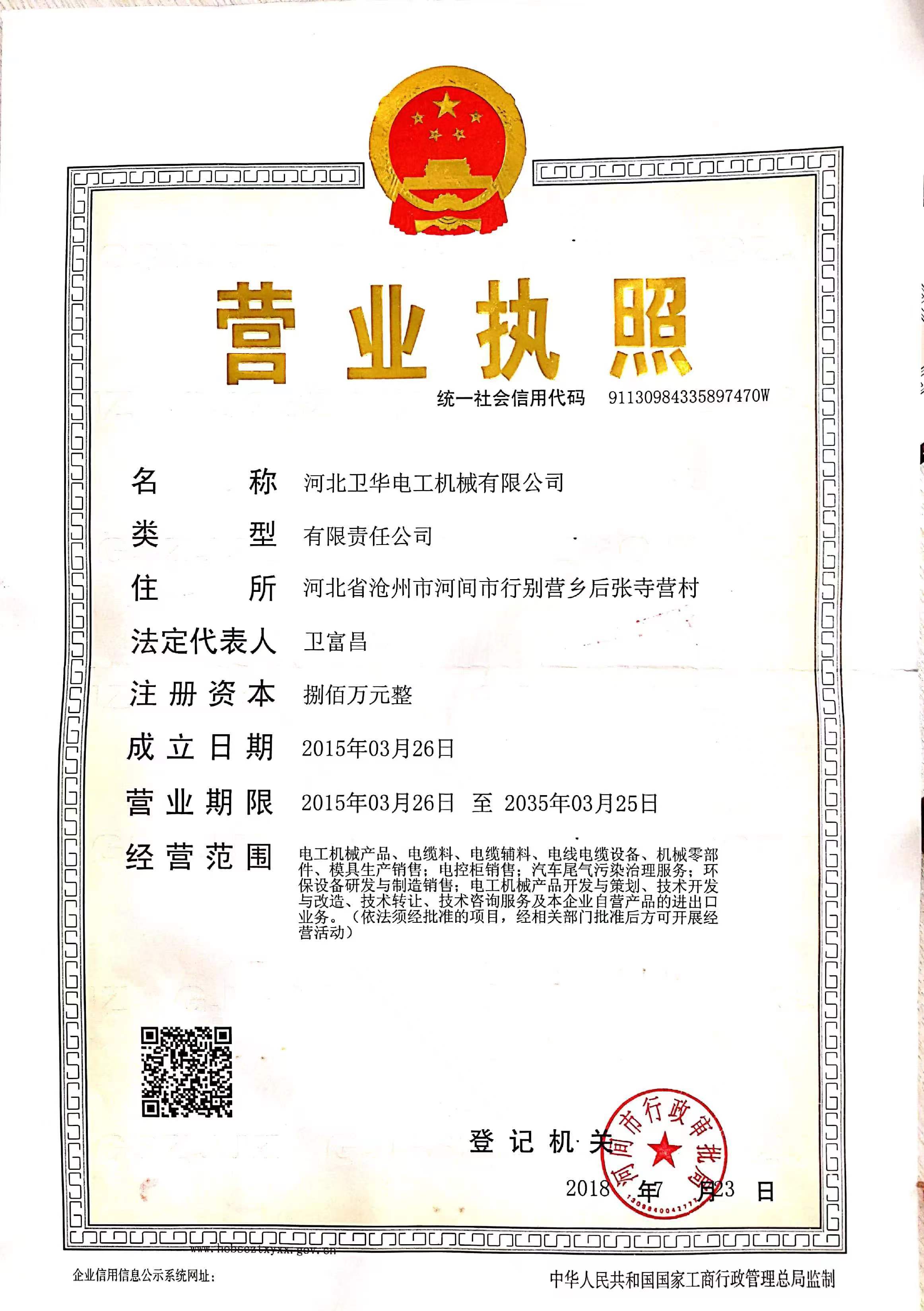
Weihua Electrical Machinery is a professional manufacturer of electrical machinery products integrating design, production, sales and service.




Key Features to Look for in a Cold Feed Rubber Extruder for Electrical Wiring
2026-06-24 11:00

Key Features to Look for in a Cold Feed Rubber Extruder for Electrical Wiring
Understanding Cold Feed Rubber Extruders
Cold feed rubber extruders play a crucial role in the manufacturing of electrical wiring. These machines process raw rubber materials into various forms, ensuring they meet specific standards for electrical applications. Understanding the key features of cold feed rubber extruders can significantly impact production efficiency and product quality. In this guide, we will explore the essential elements to consider when selecting the right extruder for your needs.
1. Extruder Design and Configuration
The design and configuration of a cold feed rubber extruder are vital for its performance. Look for extruders with a robust structure, including:
1.1 Single vs. Twin Screw Extruders
Single screw extruders are common in many applications; however, twin-screw extruders offer better mixing capabilities. For electrical wiring, a twin-screw design can enhance the uniformity of the rubber compound, leading to superior product quality.
1.2 Barrel Length and Diameter
The barrel length to diameter ratio affects the processing of rubber. A longer barrel improves mixing and allows for better heat distribution, which is essential for achieving the desired material properties in electrical applications.
2. Heating and Cooling Systems
Effective temperature control is critical in rubber extrusion. A cold feed rubber extruder should have:
2.1 Efficient Heating Elements
Look for machines with high-quality heating elements that provide consistent temperature throughout the barrel. This is particularly important for maintaining the viscosity of the rubber compound.
2.2 Advanced Cooling Systems
Incorporating cooling systems ensures that the rubber does not overheat during processing, preventing degradation of the material. Choose extruders with effective water or air cooling options for the best results.
3. Drive System and Power Requirements
The drive system plays a significant role in the performance and efficiency of the extruder. Consider the following:
3.1 Motor Power
Evaluate the motor power of the extruder. A more powerful motor will handle higher throughputs and tougher materials, essential for electrical wiring production.
3.2 Gearbox Configuration
Gearbox design impacts the torque and speed of the extruder. Ensure that the gearbox is designed for durability and can handle the load demands of rubber processing.
4. Material Compatibility
Not all rubber materials are created equal. Depending on your specific application, choose an extruder that is compatible with various rubber compounds, including:
4.1 Thermosetting vs. Thermoplastic Rubber
Understand the differences between thermosetting and thermoplastic materials. Some extruders are designed specifically for one type; select one that offers versatility to accommodate different rubber formulations.
4.2 Reinforcement Materials
For electrical wiring, you may need to incorporate reinforcement materials like fibers or fillers. Ensure the extruder can process these additives without compromising product quality.
5. Control Systems and Automation
Modern cold feed rubber extruders often come with advanced control systems that enhance operational efficiency. Look for the following features:
5.1 User-Friendly Interface
An intuitive control panel allows operators to monitor and adjust settings easily. This not only improves usability but also minimizes the risk of errors during production.
5.2 Automation Features
Automation capabilities, such as automatic feed control and real-time monitoring, can significantly enhance productivity. Consider extruders that integrate with Industry 4.0 technologies for streamlined operations.
6. Maintenance and Durability
Investing in a durable extruder saves time and money on maintenance. Focus on the following aspects:
6.1 Build Quality
Look for machines made from high-quality materials that can withstand the rigors of continuous operation. Stainless steel components and robust construction enhance durability.
6.2 Easy Maintenance Features
Choose extruders designed for easy access to critical components, facilitating quick maintenance and repairs. This reduces downtime and increases production efficiency.
7. Safety and Compliance Standards
Safety in the workplace is non-negotiable. Ensure the extruder complies with relevant safety standards and regulations:
7.1 Emergency Stop Functions
An effective emergency stop mechanism should be easily accessible, allowing operators to halt operations immediately in case of an emergency.
7.2 Compliance with Industry Regulations
Verify that the extruder adheres to industry-specific safety and environmental regulations, ensuring safe operation in your facility.
8. Cost and ROI Considerations
While it may be tempting to choose the cheapest option available, consider the long-term return on investment (ROI) associated with your extruder:
8.1 Initial Investment vs. Long-term Savings
Weigh the initial purchase price against potential savings from reduced maintenance, increased efficiency, and enhanced product quality over time.
8.2 Financing Options
Explore financing options and payment plans that can help ease the financial burden of acquiring a new extruder while maximizing your operational capabilities.
Frequently Asked Questions (FAQs)
1. What is the primary function of a cold feed rubber extruder?
A cold feed rubber extruder primarily processes raw rubber materials into specific shapes or forms, which are then used in various applications, including electrical wiring.
2. How does a twin-screw extruder differ from a single-screw extruder?
Twin-screw extruders offer better mixing and are more efficient for processing complex materials, while single-screw extruders are simpler and more commonly used for basic applications.
3. What are the advantages of automated control systems in rubber extrusion?
Automated control systems enhance efficiency by reducing manual errors, improving consistency in product quality, and allowing for real-time monitoring of the extrusion process.
4. Is maintenance difficult for cold feed rubber extruders?
Maintenance can vary by model, but many modern extruders are designed for ease of maintenance, allowing operators to perform routine checks and repairs with minimal downtime.
5. What should I consider regarding the power requirements of an extruder?
Consider the motor power and torque specifications to ensure the extruder can handle your production needs and the specific rubber materials being processed.
Conclusion
Selecting the right cold feed rubber extruder for electrical wiring applications is a critical decision that can significantly impact your production process. By focusing on key features such as design, heating and cooling systems, power requirements, material compatibility, and automation capabilities, you can make an informed choice that enhances efficiency, product quality, and workplace safety. Investing time in research and consideration of these factors will ultimately lead to greater satisfaction and success in your manufacturing endeavors.
Key Features to Look for in a Cold Feed Rubber Extruder for Electrical Wiring
recommend reading
Key Features to Look for in a Cold Feed Rubber Extruder for Electrical Wiring
Key Features to Look for in a Cold Feed Rubber Extruder for Electrical Wiring Understanding Cold Feed Rubber Extruders Cold feed rubber extruders play a crucial role in the manufacturing of electrical wiring. These machines process raw rubber materials into various forms, ensuring they meet specific standards for electrical applications. Understanding the key features of cold feed rubber extruders
Understanding Rubber Extruders: Key Insights for the Electrical Industry
In the electrical and cable industry, the rubber extruder plays a pivotal role in the manufacturing process, particularly when it comes to producing insulation and jacketing for wires and cables. A rubber extruder is a machine that shapes rubber materials into specific profiles or forms by forcing them through a die. Understanding the fundamentals of rubber extruders can significantly enhance oper
The Essential Guide to Cable Types in Production Lines
The Essential Guide to Cable Types in Production Lines Table of Contents Introduction to Cable Types in Production Lines Understanding Different Types of Cables Single-Core vs. Multi-Core Cables: Which Is Right for You? Types of Cables Commonly Used in Production Lines Power Cables Control Cables Data Cables Specialty Cables
The Essential Role of Plastic Extruders in Cable Manufacturing
Plastic extruders play a pivotal role in the modern manufacturing of electrical wires and cables, particularly in the creation of insulation and protective coatings that ensure durability and performance. These machines are designed to melt plastic pellets and then force the molten material through a die to create continuous shapes, making them indispensable in the production of various cable comp
Comparative Analysis: Different Types of Wire and Cable Extrusion Production Lines
Comparative Analysis: Different Types of Wire and Cable Extrusion Production Lines Introduction to Wire and Cable Extrusion Extrusion is a critical process in the production of wires and cables. This procedure involves forcing molten material through a die to create a continuous product with a fixed cross-sectional profile. In the context of the electrical industry, wires and cables are pivotal fo
Understanding Cold Feed Rubber Extruders: A Key Component in Electrical Wire and Cable Manufacturing
In the realm of electrical wire and cable manufacturing, the cold feed rubber extruder stands out as a pivotal technology. This specialized piece of equipment is designed to process rubber compounds at ambient temperatures, offering several advantages over traditional extrusion methods. Understanding the functionality and benefits of cold feed rubber extruders can help manufacturers optimize their