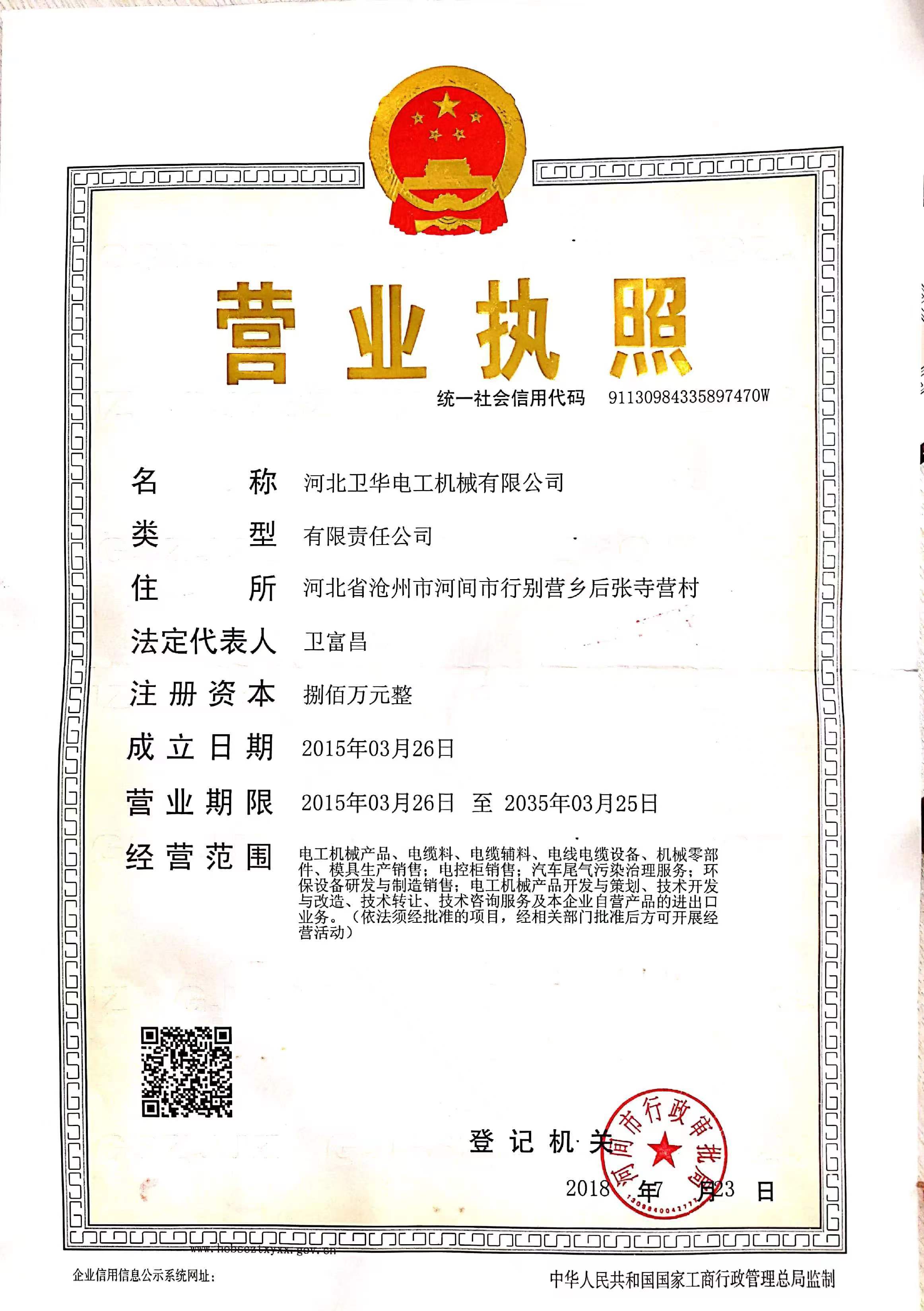
Weihua Electrical Machinery is a professional manufacturer of electrical machinery products integrating design, production, sales and service.




The Essential Guide to Cable Types in Production Lines
2026-06-09 10:30

The Essential Guide to Cable Types in Production Lines
Table of Contents
- Introduction to Cable Types in Production Lines
- Understanding Different Types of Cables
- Single-Core vs. Multi-Core Cables: Which Is Right for You?
- Types of Cables Commonly Used in Production Lines
- Cable Materials and Construction Techniques
- Cable Installation Best Practices
- Cable Maintenance and Repair: Keeping Your Lines Running Smoothly
- Future Trends in Cable Technology for Production Lines
- FAQs about Cable Types in Production Lines
- Conclusion
Introduction to Cable Types in Production Lines
In the fast-paced environment of production lines, the choice of cables plays a pivotal role in ensuring efficiency and safety. Understanding the different types of cables available is crucial for optimizing your operations. This guide explores the various cable types, their applications, and the factors to consider when selecting the appropriate cables for your production needs.
Understanding Different Types of Cables
Cables are essential for transmitting electrical power and data in production settings. They vary in terms of design, insulation, and applications. In general, cables can be classified into two main categories: power cables and communication cables.
Power cables are designed to carry electrical energy, while communication cables transmit signals. Within these categories, there are numerous types of cables, each tailored for specific functions and environments.
Single-Core vs. Multi-Core Cables: Which Is Right for You?
When choosing cables, one fundamental decision is whether to opt for single-core or multi-core varieties.
Single-Core Cables
Single-core cables consist of a single conductor, making them suitable for simple electrical circuits. These cables tend to be more rigid and are often used in applications where flexibility is not a priority. Their simplicity can be advantageous in minimizing installation complexity.
Multi-Core Cables
Multi-core cables contain multiple conductors bundled together, allowing for greater flexibility and versatility. They are ideal for complex applications that require multiple signal pathways, such as automated machinery where various controls and signals are essential.
Types of Cables Commonly Used in Production Lines
Understanding the different types of cables used in production lines will help you make informed decisions regarding your cable infrastructure. Here, we delve into the most common types of cables found in industrial settings.
Power Cables
Power cables are designed to deliver electricity from a source to various machines and equipment. They are available in several configurations, including:
- **Low Voltage (LV) Cables**: Typically used for voltages up to 1kV, ideal for smaller machines and tools.
- **Medium Voltage (MV) Cables**: Used for voltages from 1kV to 35kV, suited for larger equipment in industrial settings.
- **High Voltage (HV) Cables**: Designed for voltages above 35kV, essential for heavy machinery and power distribution systems.
Control Cables
Control cables are essential for transmitting control signals to various devices within a production line. They are designed to operate in high electromagnetic interference environments and can be found in:
- **Instrumentation Cables**: Used for sending signals to control instruments and monitoring systems.
- **Flexible Control Cables**: Specifically designed for dynamic applications, such as robotic arms or moving machinery.
Data Cables
Data cables are crucial for communication between machines, sensors, and computers in production lines. They include:
- **Ethernet Cables**: Widely used for network communications, enabling devices to communicate and share data.
- **Fiber Optic Cables**: Ideal for high-speed data transmission, especially in environments with high electromagnetic interference.
Specialty Cables
Specialty cables are designed for unique applications that require specific features, such as resistance to chemicals, heat, or moisture. Examples include:
- **Thermocouple Cables**: Used for temperature sensing and control in industrial processes.
- **Submersible Cables**: Designed for underwater applications, offering resistance to water and pressure.
Cable Materials and Construction Techniques
The materials used in cable construction affect both performance and durability. Common materials include:
- **Conductors**: Usually made from copper or aluminum, with copper providing better conductivity.
- **Insulation**: Various materials, such as PVC, rubber, and XLPE, are used to protect conductors from environmental damage.
- **Armoring**: In some cases, cables may be armored with steel to provide additional protection in harsh environments.
Understanding these materials and their properties is essential for selecting the right cable for your specific application.
Cable Installation Best Practices
Proper installation of cables in production lines is critical for ensuring safety and performance. Here are some best practices to follow:
- **Plan Your Layout**: Design a cable layout that minimizes bends and twists, reducing the risk of damage and ensuring efficient operation.
- **Use the Correct Supports**: Employ cable trays, conduits, and brackets to secure cables and prevent excessive strain.
- **Follow Manufacturer Guidelines**: Always adhere to the manufacturer's specifications regarding installation and environmental conditions.
Cable Maintenance and Repair: Keeping Your Lines Running Smoothly
Regular maintenance is vital for the longevity of cables in production lines. Consider implementing the following practices:
- **Routine Inspections**: Frequently check for signs of wear, damage, or improper installation.
- **Testing**: Employ techniques such as insulation resistance testing and continuity testing to ensure cables are functioning correctly.
- **Prompt Repairs**: Address any issues immediately to prevent further damage and minimize downtime.
Future Trends in Cable Technology for Production Lines
As technology progresses, cable design and materials are continuously evolving. Key trends to watch include:
- **Enhanced Insulation Materials**: New materials that provide better thermal and electrical insulation will improve performance.
- **Smart Cables**: Integrating sensors within cables for monitoring performance and diagnostics.
- **Eco-Friendly Cables**: Increasing emphasis on sustainable materials and manufacturing processes to reduce environmental impact.
FAQs about Cable Types in Production Lines
1. What type of cable is best for heavy machinery in production lines?
Power cables designed for medium to high voltage applications are typically best suited for heavy machinery, ensuring sufficient power delivery.
2. Are control cables necessary for automated production lines?
Yes, control cables are crucial for transmitting signals to and from automated machinery, facilitating precise control and operation.
3. How often should cables be inspected in a production environment?
Routine inspections should be conducted at least once every six months, or more frequently in high-usage environments.
4. What factors influence cable selection for production lines?
Key factors include voltage requirements, environmental conditions, flexibility needs, and the specific application of the cable.
5. Can I use standard cables for specialized applications?
Using standard cables for specialized applications is not recommended, as they may not provide the necessary protection or performance characteristics.
Conclusion
In conclusion, understanding the various types of cables used in production lines is essential for optimizing performance and ensuring safety. From selecting the right cables based on their applications to implementing best practices in installation and maintenance, each step is crucial for maintaining an efficient production environment. By staying informed about current trends and technologies, businesses can make strategic choices that enhance their operations and lead to sustained success in the industry.
The Essential Guide to Cable Types in Production Lines
recommend reading
Key Features to Look for in a Cold Feed Rubber Extruder for Electrical Wiring
Key Features to Look for in a Cold Feed Rubber Extruder for Electrical Wiring Understanding Cold Feed Rubber Extruders Cold feed rubber extruders play a crucial role in the manufacturing of electrical wiring. These machines process raw rubber materials into various forms, ensuring they meet specific standards for electrical applications. Understanding the key features of cold feed rubber extruders
Understanding Rubber Extruders: Key Insights for the Electrical Industry
In the electrical and cable industry, the rubber extruder plays a pivotal role in the manufacturing process, particularly when it comes to producing insulation and jacketing for wires and cables. A rubber extruder is a machine that shapes rubber materials into specific profiles or forms by forcing them through a die. Understanding the fundamentals of rubber extruders can significantly enhance oper
The Essential Guide to Cable Types in Production Lines
The Essential Guide to Cable Types in Production Lines Table of Contents Introduction to Cable Types in Production Lines Understanding Different Types of Cables Single-Core vs. Multi-Core Cables: Which Is Right for You? Types of Cables Commonly Used in Production Lines Power Cables Control Cables Data Cables Specialty Cables
The Essential Role of Plastic Extruders in Cable Manufacturing
Plastic extruders play a pivotal role in the modern manufacturing of electrical wires and cables, particularly in the creation of insulation and protective coatings that ensure durability and performance. These machines are designed to melt plastic pellets and then force the molten material through a die to create continuous shapes, making them indispensable in the production of various cable comp
Comparative Analysis: Different Types of Wire and Cable Extrusion Production Lines
Comparative Analysis: Different Types of Wire and Cable Extrusion Production Lines Introduction to Wire and Cable Extrusion Extrusion is a critical process in the production of wires and cables. This procedure involves forcing molten material through a die to create a continuous product with a fixed cross-sectional profile. In the context of the electrical industry, wires and cables are pivotal fo
Understanding Cold Feed Rubber Extruders: A Key Component in Electrical Wire and Cable Manufacturing
In the realm of electrical wire and cable manufacturing, the cold feed rubber extruder stands out as a pivotal technology. This specialized piece of equipment is designed to process rubber compounds at ambient temperatures, offering several advantages over traditional extrusion methods. Understanding the functionality and benefits of cold feed rubber extruders can help manufacturers optimize their