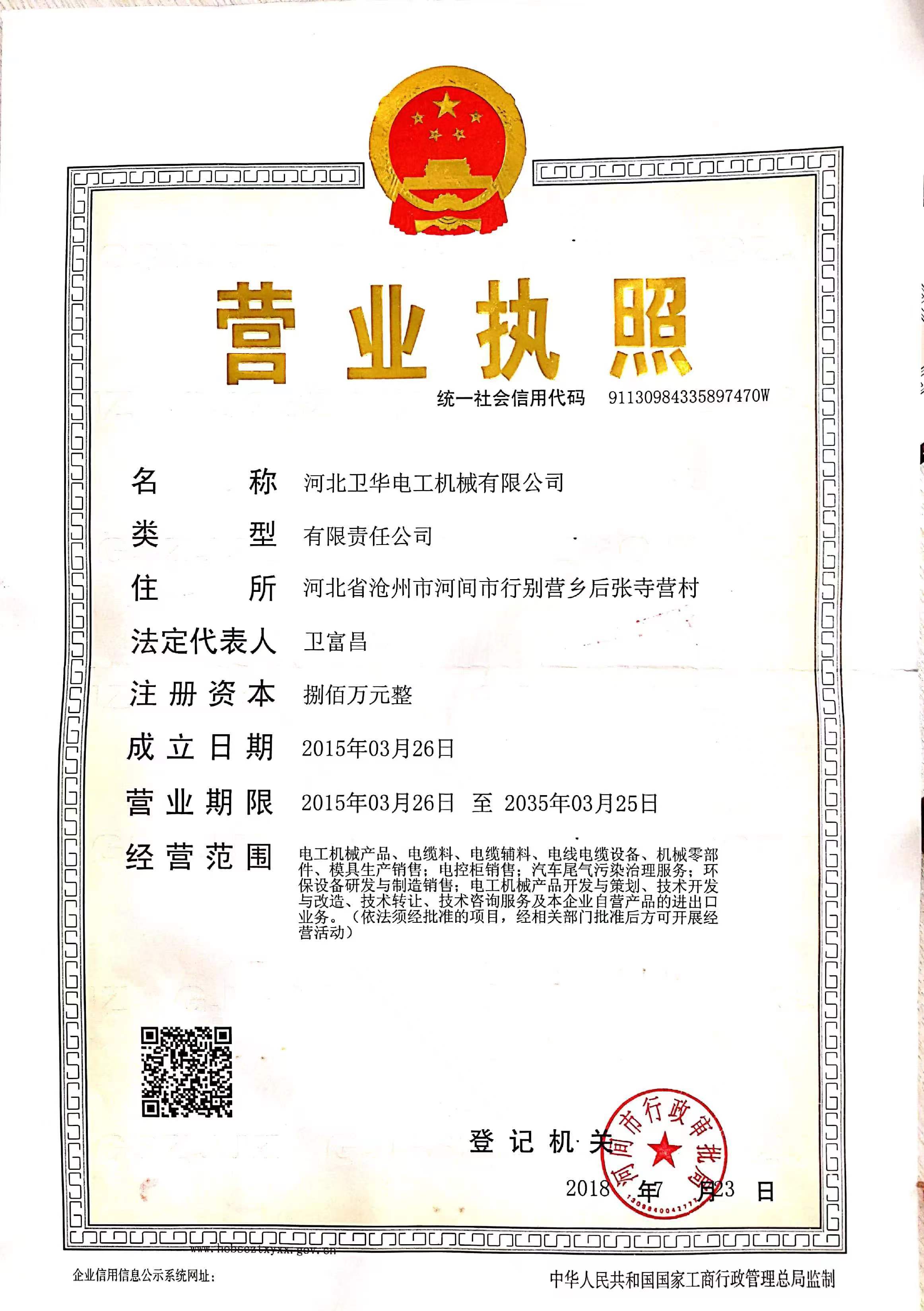
Weihua Electrical Machinery is a professional manufacturer of electrical machinery products integrating design, production, sales and service.




Troubleshooting Common Issues with Plastic Extruders in Cable Manufacturing
2026-04-28 09:40

Troubleshooting Common Issues with Plastic Extruders in Cable Manufacturing
Cable manufacturing relies heavily on the efficiency and reliability of plastic extruders. These machines are essential for converting raw materials into finished products, such as wires and cables. However, like any other equipment, extruders can encounter various issues that can disrupt production. In this detailed guide, we will explore common problems associated with plastic extruders and provide practical troubleshooting tips to help ensure smooth operation and minimize downtime.
Understanding Plastic Extruders in Cable Manufacturing
Plastic extruders are machines used to melt and shape thermoplastic materials into specific profiles. In cable manufacturing, they play a critical role in producing insulation and protective coverings for electrical wires. The extrusion process involves feeding raw plastic pellets into the machine, where they are heated and forced through a die to create long, continuous lengths of material.
The Importance of Troubleshooting in Cable Manufacturing
Maintaining the functionality of plastic extruders is crucial for several reasons:
- **Production Efficiency**: Minimizing downtime ensures that production schedules are met.
- **Quality Assurance**: Consistent extrusion quality leads to reliable cable performance.
- **Cost-effectiveness**: Reducing waste and rework lowers overall manufacturing costs.
Understanding how to troubleshoot issues as they arise can significantly impact these areas.
Common Issues with Plastic Extruders
This section outlines some prevalent problems encountered with plastic extruders in cable manufacturing and the corresponding troubleshooting methods to address them.
1. Inconsistent Extrusion Thickness
Inconsistent thickness in the extruded cable can lead to significant quality issues. The following factors can contribute to this problem:
- **Temperature Fluctuations**: Ensure that the extruder maintains a uniform temperature. Use a calibrated thermocouple to monitor the temperature within the barrel and die.
- **Material Variability**: Conduct regular checks on the quality of raw materials. Variations in moisture content and resin quality can affect extrusion consistency.
Solution Steps
- Monitor and adjust temperature settings.
- Use a consistent and high-quality raw material supply.
- Adjust feeding rates to ensure uniform material flow.
2. Die Build-up and Blockage
Die blockages can halt production and damage the extruder. This issue often arises from incomplete melting of the material or contamination.
Common Causes
- **Poorly Sized Pellets**: Ensure that materials are uniformly sized to promote smooth flow.
- **Contaminants**: Regularly clean the die to remove any impurities or remnants of previous materials.
Solution Steps
- Use a dedicated cleaning schedule for the die and other components.
- Inspect and replace worn-out or damaged dies.
3. Overheating of the Extruder
Overheating can lead to material degradation and compromised product quality. This issue can arise from several sources.
Possible Causes
- **Improper Cooling**: Verify that the cooling systems (water or air) are functioning correctly.
- **Excessive Material Feed Rate**: Adjust the feed rate to match the extruder's output capacity.
Solution Steps
- Inspect and maintain cooling systems to ensure optimal operation.
- Monitor feed rates and adjust as necessary to avoid excessive input.
4. Inadequate Material Feeding
Inconsistent or inadequate material feeding can lead to erratic extrusion rates and poor product quality.
Common Causes
- **Feed Screw Issues**: Worn or damaged screws can hinder material transfer.
- **Hopper Blockages**: Regularly check the hopper for material blockages.
Solution Steps
- Replace worn feed screws as needed.
- Ensure that the hopper is clean and free from blockages.
Detailed Troubleshooting Techniques for Extruder Issues
When faced with extruder issues, employing systematic troubleshooting techniques can lead to quicker resolutions.
1. Conduct a Thorough Inspection
Start with a visual inspection of the extruder and all associated components. Look for signs of wear, damage, or misalignment.
Key Areas to Inspect
- **Feed Mechanism**: Ensure that the feed system operates smoothly.
- **Heating Elements**: Check for any signs of malfunction or failure.
2. Utilize Diagnostic Tools
Employing diagnostic tools can provide insights into the operational status of the extruder.
Recommended Tools
- **Thermal Cameras**: Use to detect hot spots that may indicate heating issues.
- **Vibration Analyzers**: Detect abnormal vibrations that may suggest mechanical problems.
3. Engage in Regular Maintenance Practices
Preventative maintenance is key to minimizing issues. Establish a maintenance schedule that includes routine checks and replacements.
Maintenance Checklist
- Check and clean heating elements regularly.
- Inspect and lubricate moving parts to prevent wear.
FAQs About Plastic Extruder Troubleshooting
1. What are the most common problems experienced with plastic extruders?
The most common issues include inconsistent extrusion thickness, die build-up, overheating, and inadequate material feeding.
2. How can I prevent overheating in my extruder?
Regularly inspect and maintain the cooling system and adjust the material feed rate to prevent overheating.
3. What should I do if my extruder is experiencing frequent blockages?
Conduct regular cleaning of the die and ensure that only high-quality, uniform-sized materials are used.
4. How often should I perform maintenance on my plastic extruder?
Establish a regular maintenance schedule, conducting checks at least monthly, or more frequently based on production levels.
5. Can I troubleshoot extruder issues without professional help?
Many issues can be diagnosed and resolved with basic troubleshooting knowledge. However, complex problems may require professional expertise.
Conclusion
Troubleshooting common issues with plastic extruders in cable manufacturing is essential for maintaining productivity and ensuring high-quality output. By understanding the root causes of prevalent problems and implementing effective solutions, manufacturers can enhance operational efficiency and minimize downtime. Regular maintenance, thorough inspections, and the use of diagnostic tools will empower your team to address issues proactively, ultimately leading to a more efficient cable manufacturing process. Embrace these practices to keep your extruders running smoothly, thus ensuring the success of your manufacturing operations.
Troubleshooting Common Issues with Plastic Extruders in Cable Manufacturing
recommend reading
Key Features to Look for in a Cold Feed Rubber Extruder for Electrical Wiring
Key Features to Look for in a Cold Feed Rubber Extruder for Electrical Wiring Understanding Cold Feed Rubber Extruders Cold feed rubber extruders play a crucial role in the manufacturing of electrical wiring. These machines process raw rubber materials into various forms, ensuring they meet specific standards for electrical applications. Understanding the key features of cold feed rubber extruders
Understanding Rubber Extruders: Key Insights for the Electrical Industry
In the electrical and cable industry, the rubber extruder plays a pivotal role in the manufacturing process, particularly when it comes to producing insulation and jacketing for wires and cables. A rubber extruder is a machine that shapes rubber materials into specific profiles or forms by forcing them through a die. Understanding the fundamentals of rubber extruders can significantly enhance oper
The Essential Guide to Cable Types in Production Lines
The Essential Guide to Cable Types in Production Lines Table of Contents Introduction to Cable Types in Production Lines Understanding Different Types of Cables Single-Core vs. Multi-Core Cables: Which Is Right for You? Types of Cables Commonly Used in Production Lines Power Cables Control Cables Data Cables Specialty Cables
The Essential Role of Plastic Extruders in Cable Manufacturing
Plastic extruders play a pivotal role in the modern manufacturing of electrical wires and cables, particularly in the creation of insulation and protective coatings that ensure durability and performance. These machines are designed to melt plastic pellets and then force the molten material through a die to create continuous shapes, making them indispensable in the production of various cable comp
Comparative Analysis: Different Types of Wire and Cable Extrusion Production Lines
Comparative Analysis: Different Types of Wire and Cable Extrusion Production Lines Introduction to Wire and Cable Extrusion Extrusion is a critical process in the production of wires and cables. This procedure involves forcing molten material through a die to create a continuous product with a fixed cross-sectional profile. In the context of the electrical industry, wires and cables are pivotal fo
Understanding Cold Feed Rubber Extruders: A Key Component in Electrical Wire and Cable Manufacturing
In the realm of electrical wire and cable manufacturing, the cold feed rubber extruder stands out as a pivotal technology. This specialized piece of equipment is designed to process rubber compounds at ambient temperatures, offering several advantages over traditional extrusion methods. Understanding the functionality and benefits of cold feed rubber extruders can help manufacturers optimize their