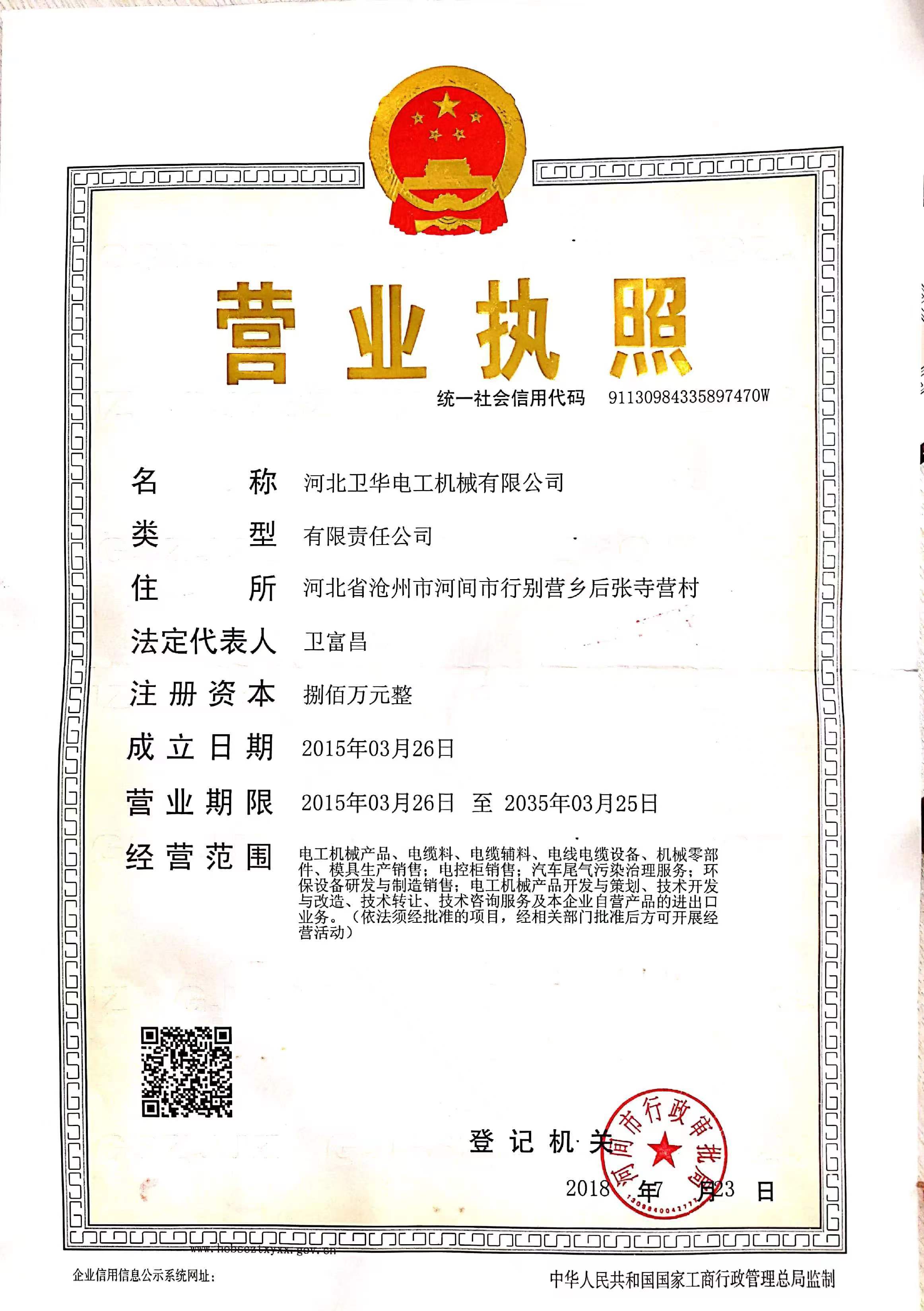
Weihua Electrical Machinery is a professional manufacturer of electrical machinery products integrating design, production, sales and service.




Understanding Cold Feed Rubber Extruders in the Electrical Wire and Cable Industry
2025-12-30 09:50

One of the primary advantages of a cold feed rubber extruder is its ability to handle a wide range of materials. This flexibility is particularly beneficial in the electrical wire and cable sector, where various rubber compounds are used for insulation, jacketing, and other applications. The extruder's design allows for precise control over temperature and pressure, which is crucial for processing different formulations without degrading the material.
The operation of a cold feed rubber extruder involves several key components, including a feed hopper, a screw mechanism, and a die. Raw rubber is fed into the hopper, where the screw transports it through the extruder barrel. As the rubber moves along the screw, it is subjected to shearing forces that help break down and mix the compound. The material is then shaped as it exits through the die, which can be customized to produce various profiles and thicknesses suitable for different wire and cable applications.
Another significant benefit of using a cold feed rubber extruder is the reduction of energy consumption compared to traditional hot feed extruders. Since the material is not heated during the initial feeding process, manufacturers can save on energy costs while achieving consistent product quality. Additionally, cold feed extruders typically require less maintenance due to fewer components exposed to high temperatures, resulting in lower downtime and increased production efficiency.
In the competitive landscape of electrical wire and cable manufacturing, optimizing production methods is essential. The use of cold feed rubber extruders can lead to improved product consistency, reduced scrap rates, and enhanced overall throughput. Moreover, by maintaining the rubber's thermal properties and minimizing degradation, manufacturers can achieve better electrical performance and longevity of their products.
In summary, cold feed rubber extruders are indispensable tools in the electrical wire and cable industry. They contribute to the efficient production of high-quality insulation and jacketing materials, navigating the balance between material properties and manufacturing efficiency. Understanding the operation and benefits of these machines can empower manufacturers to enhance their production processes and deliver superior products to the market.
Understanding Cold Feed Rubber Extruders in the Electrical Wire and Cable Industry
recommend reading
Key Features to Look for in a Cold Feed Rubber Extruder for Electrical Wiring
Key Features to Look for in a Cold Feed Rubber Extruder for Electrical Wiring Understanding Cold Feed Rubber Extruders Cold feed rubber extruders play a crucial role in the manufacturing of electrical wiring. These machines process raw rubber materials into various forms, ensuring they meet specific standards for electrical applications. Understanding the key features of cold feed rubber extruders
Understanding Rubber Extruders: Key Insights for the Electrical Industry
In the electrical and cable industry, the rubber extruder plays a pivotal role in the manufacturing process, particularly when it comes to producing insulation and jacketing for wires and cables. A rubber extruder is a machine that shapes rubber materials into specific profiles or forms by forcing them through a die. Understanding the fundamentals of rubber extruders can significantly enhance oper
The Essential Guide to Cable Types in Production Lines
The Essential Guide to Cable Types in Production Lines Table of Contents Introduction to Cable Types in Production Lines Understanding Different Types of Cables Single-Core vs. Multi-Core Cables: Which Is Right for You? Types of Cables Commonly Used in Production Lines Power Cables Control Cables Data Cables Specialty Cables
The Essential Role of Plastic Extruders in Cable Manufacturing
Plastic extruders play a pivotal role in the modern manufacturing of electrical wires and cables, particularly in the creation of insulation and protective coatings that ensure durability and performance. These machines are designed to melt plastic pellets and then force the molten material through a die to create continuous shapes, making them indispensable in the production of various cable comp
Comparative Analysis: Different Types of Wire and Cable Extrusion Production Lines
Comparative Analysis: Different Types of Wire and Cable Extrusion Production Lines Introduction to Wire and Cable Extrusion Extrusion is a critical process in the production of wires and cables. This procedure involves forcing molten material through a die to create a continuous product with a fixed cross-sectional profile. In the context of the electrical industry, wires and cables are pivotal fo
Understanding Cold Feed Rubber Extruders: A Key Component in Electrical Wire and Cable Manufacturing
In the realm of electrical wire and cable manufacturing, the cold feed rubber extruder stands out as a pivotal technology. This specialized piece of equipment is designed to process rubber compounds at ambient temperatures, offering several advantages over traditional extrusion methods. Understanding the functionality and benefits of cold feed rubber extruders can help manufacturers optimize their