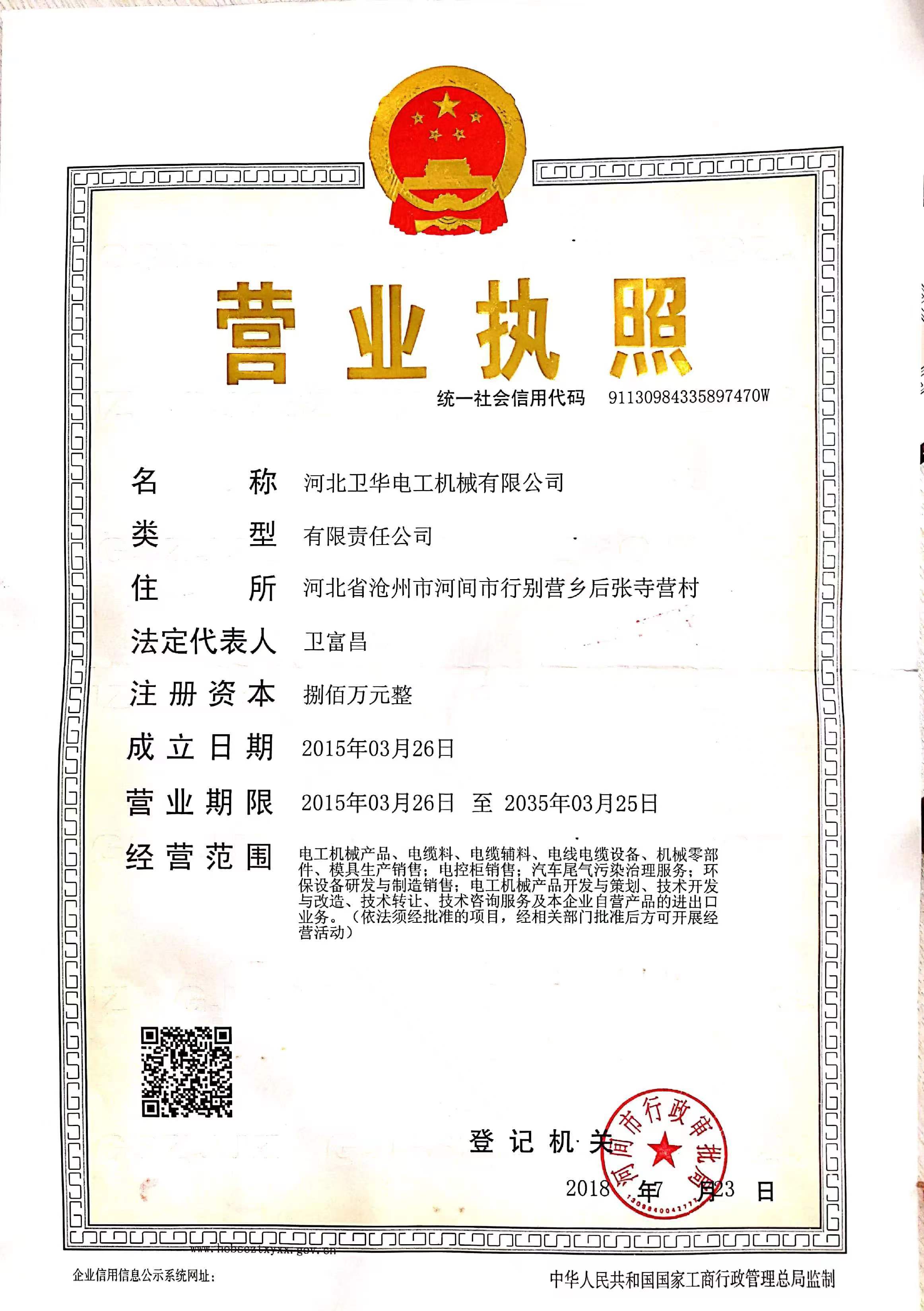
Weihua Electrical Machinery is a professional manufacturer of electrical machinery products integrating design, production, sales and service.




Troubleshooting Common Issues in Wire and Cable Extrusion Production Lines
2026-01-06 09:30

Troubleshooting Common Issues in Wire and Cable Extrusion Production Lines
Table of Contents
- Introduction to Wire and Cable Extrusion
- Understanding the Extrusion Process in Detail
- Common Issues in Wire and Cable Extrusion
- Effective Troubleshooting Techniques
- Conducting Visual Inspections
- Using Intrusive Tests and Measurements
- Data Analysis for Troubleshooting
- Best Practices for Cable Extrusion Production
- Conclusion
- FAQs
Introduction to Wire and Cable Extrusion
Wire and cable extrusion is a pivotal process in the manufacturing of electrical wiring and cables, essential for a variety of applications from telecommunications to power distribution. Understanding the intricacies of this process is vital for manufacturers to maintain high-quality standards and ensure operational efficiency. However, like any production line, extrusion processes can encounter various challenges that may hinder productivity and product quality. This article explores common issues faced in wire and cable extrusion production lines and offers practical troubleshooting advice to address these challenges.
Understanding the Extrusion Process in Detail
The extrusion process involves forcing raw material—typically thermoplastic polymers—through a die to create a continuous profile. This method is widely used for producing insulated wires and cables, allowing for uniform thickness and high precision. The process generally follows these steps:
1. **Feeding**: Raw materials are fed into a hopper where they are measured and moved into the extruder.
2. **Melting**: The materials are heated and melted in the extruder barrel, where temperature control is crucial.
3. **Extrusion**: The molten material is pushed through a die to form the desired shape.
4. **Cooling**: The extruded product is cooled, allowing it to solidify in the correct dimensions.
5. **Winding**: Finally, the extruded cable is wound onto reels for storage and shipping.
Each step in this process is critical, and lapses can lead to production issues that not only affect the quality of the finished product but also operational efficiency.
Common Issues in Wire and Cable Extrusion
Even the most sophisticated extrusion systems can experience issues that may lead to product defects or inefficiencies in the production line. Here are some of the most common problems manufacturers face:
Material-Related Issues
Material quality plays a significant role in the extrusion process. The following material-related issues can arise:
- **Inconsistent Raw Material Quality**: Variations in the quality of the thermoplastics used can lead to inconsistent extrusion results. Fluctuations in density, moisture content, or additives can create defects.
- **Contamination**: Foreign materials and contaminants can affect the extrusion process, leading to defects in the finished cable.
- **Poor Material Handling**: Improper storage and handling of raw materials can degrade their quality, impacting the extrusion outcome.
Machine-Related Problems
Certain issues can stem from the extrusion machinery itself:
- **Wear and Tear**: Over time, machines can experience wear on critical components such as screws, barrels, and dies, leading to inefficient operation and defects.
- **Incorrect Settings**: Failure to properly calibrate machine settings, including temperature and pressure, can result in poor quality output.
- **Mechanical Failures**: Unexpected breakdowns or malfunctions can halt production, requiring immediate attention to resolve.
Process Parameters Issues
Process parameters greatly influence the quality of the extruded product:
- **Temperature Fluctuations**: Inconsistent temperature control during melting can lead to under- or over-extrusion.
- **Pressure Variations**: Inadequate pressure during extrusion can cause incomplete filling of the die, resulting in uneven product dimensions.
- **Extrusion Speed**: Incorrect extrusion speeds can lead to surface defects or inconsistent wall thickness.
Effective Troubleshooting Techniques
Addressing issues in wire and cable extrusion production requires a structured approach. Here are several effective troubleshooting techniques:
Conducting Visual Inspections
Regular visual inspections can help identify problems early on. Operators should look for:
- **Surface Defects**: Check for flaws such as bubbles, voids, or inconsistencies in the surface finish.
- **Dimensional Accuracy**: Ensure that the output meets specified dimensional tolerances.
- **Material Flow**: Observe the flow of the material through the die; any signs of irregularity may indicate underlying issues.
Using Intrusive Tests and Measurements
For a comprehensive analysis, intrusive tests may be necessary:
- **Thermal Profiling**: Use thermal cameras or sensors to identify temperature variations within the extrusion process.
- **Pressure Monitoring**: Employ pressure transducers to monitor and record pressure levels during operating cycles.
- **Material Testing**: Conduct tests on raw and finished materials to identify contamination or inconsistencies.
Data Analysis for Troubleshooting
Data collection and analysis are vital for identifying trends and recurring issues:
- **Process Data Logging**: Maintain accurate logs of machine parameters, including temperature, pressure, and speed, to identify correlations with defects.
- **Statistical Process Control (SPC)**: Implement SPC techniques to monitor the extrusion process and detect variations that could lead to issues.
- **Root Cause Analysis**: After identifying a problem, perform a root cause analysis to determine the underlying reasons and implement corrective actions.
Best Practices for Cable Extrusion Production
To minimize issues in wire and cable extrusion production lines, consider implementing the following best practices:
- **Regular Maintenance**: Develop a routine maintenance schedule that includes inspections and servicing of machinery to prevent breakdowns.
- **Quality Control Programs**: Establish strict quality control measures for both raw materials and finished products to ensure consistency and reliability.
- **Training and Development**: Invest in training programs for operators and technicians to ensure they are knowledgeable about the equipment and processes.
- **Process Optimization**: Continuously evaluate and optimize process parameters based on production data and quality feedback to enhance efficiency.
Conclusion
Troubleshooting common issues in wire and cable extrusion production lines is essential for maintaining high-quality standards and operational efficiency. By understanding the intricacies of the extrusion process and adopting effective troubleshooting techniques, manufacturers can minimize downtime and enhance productivity. Regular inspections, data analysis, and adherence to best practices will not only help to resolve issues but also establish a more resilient production environment. Ultimately, a proactive approach to troubleshooting will lead to improved product quality and customer satisfaction.
FAQs
1. What are the most common defects in wire and cable extrusion?
Common defects include surface irregularities, dimensional inconsistencies, and material contamination.
2. How can temperature fluctuations affect the extrusion process?
Temperature fluctuations can lead to inconsistent melting of materials, resulting in under- or over-extrusion.
3. What is the role of maintenance in preventing extrusion issues?
Regular maintenance helps prevent mechanical failures and ensures that all components function optimally, minimizing production disruptions.
4. How can I improve the quality of raw materials used in extrusion?
Ensure proper storage, handling, and quality control measures are in place to prevent contamination and degradation of raw materials.
5. What data should I monitor for effective troubleshooting?
Key data points include temperature, pressure, extrusion speed, and any defect rates for both raw materials and finished products.
This comprehensive guide to troubleshooting issues in wire and cable extrusion production lines is designed to empower manufacturers with the knowledge and strategies needed to overcome common challenges and elevate their production standards.
Troubleshooting Common Issues in Wire and Cable Extrusion Production Lines
recommend reading
Key Features to Look for in a Cold Feed Rubber Extruder for Electrical Wiring
Key Features to Look for in a Cold Feed Rubber Extruder for Electrical Wiring Understanding Cold Feed Rubber Extruders Cold feed rubber extruders play a crucial role in the manufacturing of electrical wiring. These machines process raw rubber materials into various forms, ensuring they meet specific standards for electrical applications. Understanding the key features of cold feed rubber extruders
Understanding Rubber Extruders: Key Insights for the Electrical Industry
In the electrical and cable industry, the rubber extruder plays a pivotal role in the manufacturing process, particularly when it comes to producing insulation and jacketing for wires and cables. A rubber extruder is a machine that shapes rubber materials into specific profiles or forms by forcing them through a die. Understanding the fundamentals of rubber extruders can significantly enhance oper
The Essential Guide to Cable Types in Production Lines
The Essential Guide to Cable Types in Production Lines Table of Contents Introduction to Cable Types in Production Lines Understanding Different Types of Cables Single-Core vs. Multi-Core Cables: Which Is Right for You? Types of Cables Commonly Used in Production Lines Power Cables Control Cables Data Cables Specialty Cables
The Essential Role of Plastic Extruders in Cable Manufacturing
Plastic extruders play a pivotal role in the modern manufacturing of electrical wires and cables, particularly in the creation of insulation and protective coatings that ensure durability and performance. These machines are designed to melt plastic pellets and then force the molten material through a die to create continuous shapes, making them indispensable in the production of various cable comp
Comparative Analysis: Different Types of Wire and Cable Extrusion Production Lines
Comparative Analysis: Different Types of Wire and Cable Extrusion Production Lines Introduction to Wire and Cable Extrusion Extrusion is a critical process in the production of wires and cables. This procedure involves forcing molten material through a die to create a continuous product with a fixed cross-sectional profile. In the context of the electrical industry, wires and cables are pivotal fo
Understanding Cold Feed Rubber Extruders: A Key Component in Electrical Wire and Cable Manufacturing
In the realm of electrical wire and cable manufacturing, the cold feed rubber extruder stands out as a pivotal technology. This specialized piece of equipment is designed to process rubber compounds at ambient temperatures, offering several advantages over traditional extrusion methods. Understanding the functionality and benefits of cold feed rubber extruders can help manufacturers optimize their