Weihua Electrical Machinery is a professional manufacturer of electrical machinery products integrating design, production, sales and service.




Dry goods sharing, one minute to take you to understand the non-boiler rubber cable production line
2023-03-23 11:02
Non-boiler rubber cable is a new type of cable, it takes rubber as the outer layer, copper wire, insulator as the inner layer, composed of a certain structure of the cable, with excellent electric thermal stability, welding resistance, tensile resistance, heat resistance, corrosion resistance, anti-ultraviolet, antistatic and other characteristics, is a substitute for traditional cables. The principle of the non-boiler rubber-sheathed cable production line can be divided into several steps such as insulator manufacturing, welding, testing, rubber outer packaging, and inspection.
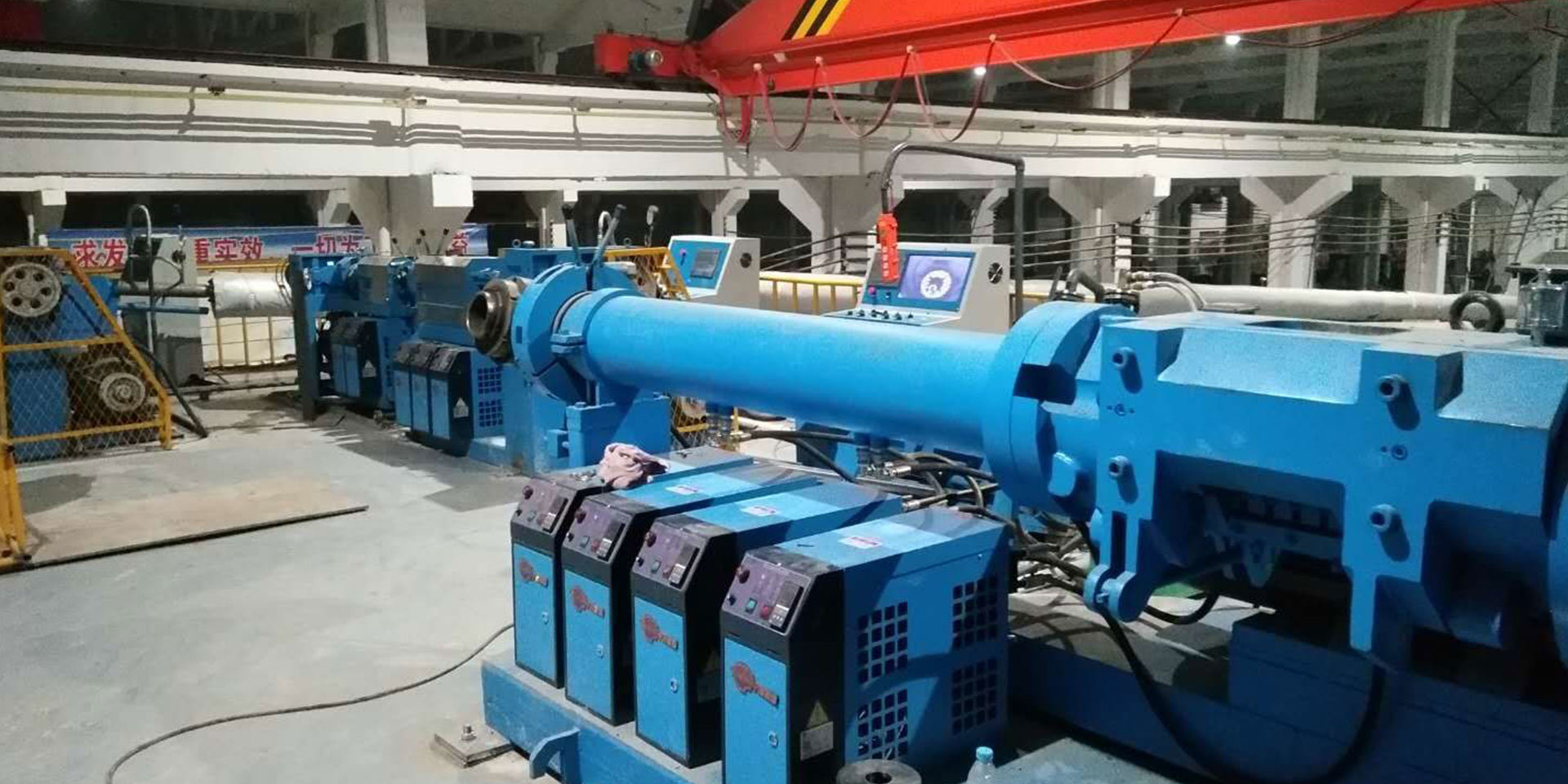
1. Insulator manufacturing. The insulator is the core of the boiler-free rubber-sheathed cable. It is composed of multiple PVC wires, copper wires, aluminum wires, etc. They are bundled together with a machine, and then the insulator is put into the insulation machine and compressed with compressed air. It is compressed to ensure the seal between the insulators.
2. Welding. Welding is an important part of the boiler-free rubber-sheathed cable production line. It welds the copper wire, aluminum wire, and copper wire of the insulator to ensure the integrity of the cable. Welding methods include metal welding, brazing welding, resistance welding, etc.
3, testing. After the welding is completed, put the cable into the testing machine for electrical performance testing to ensure the quality of the cable. During the test, the voltage, current, insulation strength, resistance, tensile resistance, heat resistance and other properties of the cable will be checked.
4. Rubber outer packaging. Put the tested cable into the outer packaging machine, and wrap the cable with rubber to ensure the appearance of the cable is beautiful, and it has certain insulation performance and tensile resistance.
5, check. Inspection is an important step in the production line of non-boiler rubber cable. In this step, workers will check the electrical properties, appearance, tensile properties, heat resistance, insulation properties, etc. of the cable to ensure that the cable is free of defects.
In summary, the principle of the boiler-free rubber-sheathed cable production line can be divided into several steps such as insulator manufacturing, welding, testing, rubber outer packaging, and inspection. They cooperate with each other to ensure the quality of the cable.
The non-boiler rubber cable production line is a very important equipment, which is widely used in the power industry, so many things should be paid attention to in the production process to avoid unnecessary problems.
First of all, before operating the boiler-free rubber-sheathed cable production line, it is necessary to check the equipment, check whether the machine is in good condition, whether the locking bolts are loose, etc., to ensure the safe operation of the machine.
Secondly, during the operation, pay attention to safety, do not force the operation, regularly clean the dust inside the equipment, and check whether it is operating normally to ensure the normal operation of the equipment.
In addition, during the operation of the non-boiler rubber-sheathed cable production line, attention should be paid to controlling the power supply voltage, keeping the voltage stable, and ensuring the safety of the line to avoid danger during the production process.
It is necessary to regularly replace the lubricating oil of the non-boiler rubber sleeve cable production line to ensure the normal operation of the machine, so as to avoid equipment damage due to excessive lubricating oil.
In general, the operation of the non-boiler rubber cable production line should pay attention to the above items to ensure the safety of the production process and the normal operation of the equipment.
Dry goods sharing, one minute to take you to understand the non-boiler rubber cable production line
recommend reading
Key Features to Look for in a Cold Feed Rubber Extruder for Electrical Wiring
Key Features to Look for in a Cold Feed Rubber Extruder for Electrical Wiring Understanding Cold Feed Rubber Extruders Cold feed rubber extruders play a crucial role in the manufacturing of electrical wiring. These machines process raw rubber materials into various forms, ensuring they meet specific standards for electrical applications. Understanding the key features of cold feed rubber extruders
Understanding Rubber Extruders: Key Insights for the Electrical Industry
In the electrical and cable industry, the rubber extruder plays a pivotal role in the manufacturing process, particularly when it comes to producing insulation and jacketing for wires and cables. A rubber extruder is a machine that shapes rubber materials into specific profiles or forms by forcing them through a die. Understanding the fundamentals of rubber extruders can significantly enhance oper
The Essential Guide to Cable Types in Production Lines
The Essential Guide to Cable Types in Production Lines Table of Contents Introduction to Cable Types in Production Lines Understanding Different Types of Cables Single-Core vs. Multi-Core Cables: Which Is Right for You? Types of Cables Commonly Used in Production Lines Power Cables Control Cables Data Cables Specialty Cables
The Essential Role of Plastic Extruders in Cable Manufacturing
Plastic extruders play a pivotal role in the modern manufacturing of electrical wires and cables, particularly in the creation of insulation and protective coatings that ensure durability and performance. These machines are designed to melt plastic pellets and then force the molten material through a die to create continuous shapes, making them indispensable in the production of various cable comp
Comparative Analysis: Different Types of Wire and Cable Extrusion Production Lines
Comparative Analysis: Different Types of Wire and Cable Extrusion Production Lines Introduction to Wire and Cable Extrusion Extrusion is a critical process in the production of wires and cables. This procedure involves forcing molten material through a die to create a continuous product with a fixed cross-sectional profile. In the context of the electrical industry, wires and cables are pivotal fo
Understanding Cold Feed Rubber Extruders: A Key Component in Electrical Wire and Cable Manufacturing
In the realm of electrical wire and cable manufacturing, the cold feed rubber extruder stands out as a pivotal technology. This specialized piece of equipment is designed to process rubber compounds at ambient temperatures, offering several advantages over traditional extrusion methods. Understanding the functionality and benefits of cold feed rubber extruders can help manufacturers optimize their