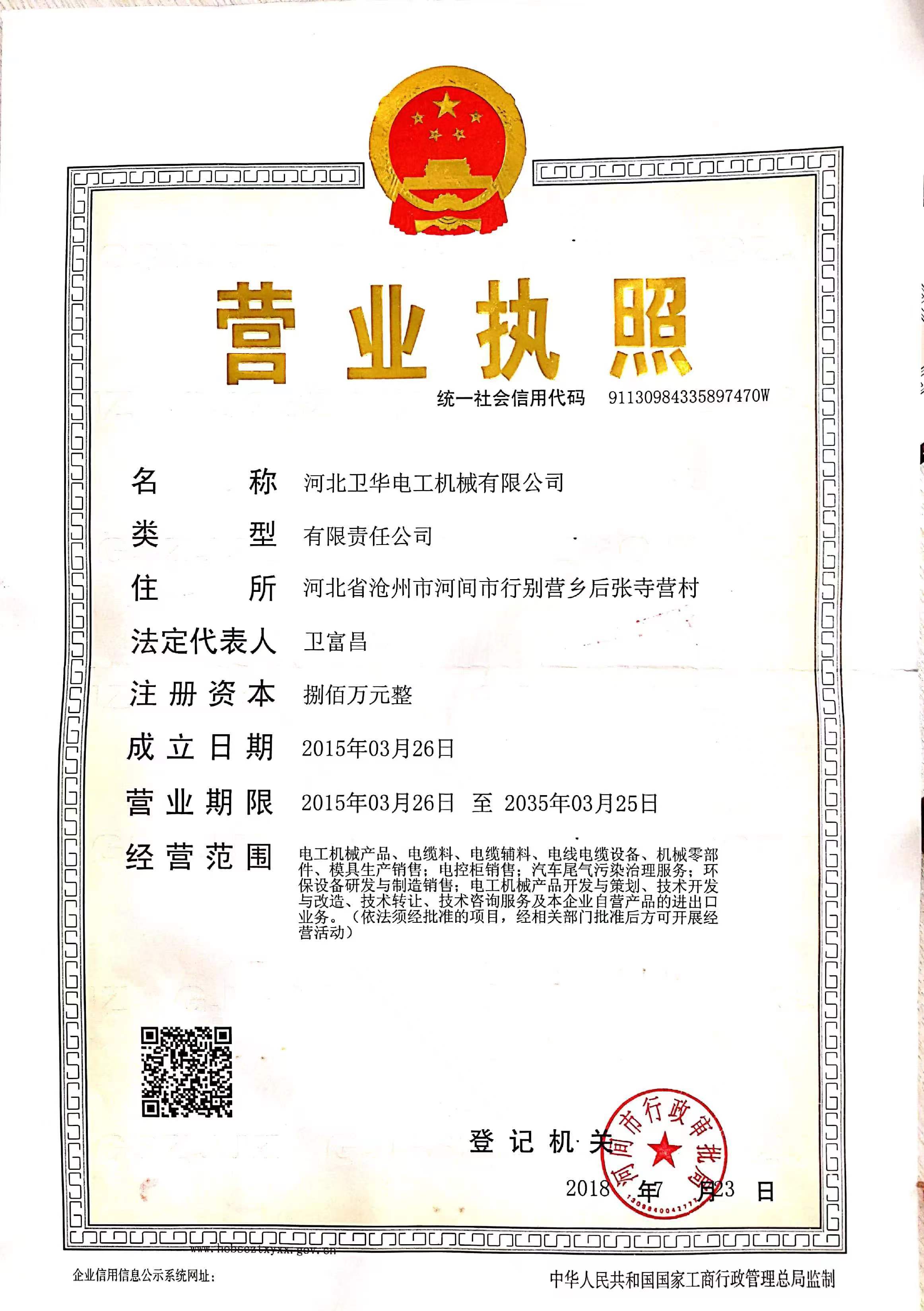
Weihua Electrical Machinery is a professional manufacturer of electrical machinery products integrating design, production, sales and service.




How to Optimize Your Cable Production Line with Plastic Extrusion
2025-12-09 10:30

How to Optimize Your Cable Production Line with Plastic Extrusion
In the ever-evolving landscape of the electrical cable industry, optimizing production lines is crucial for maintaining efficiency and competitiveness. **Plastic extrusion** stands out as a transformative process that can significantly enhance production capabilities. In this article, we will explore the intricacies of plastic extrusion and its role in optimizing cable production lines.
Understanding Plastic Extrusion in Cable Production
Plastic extrusion is a manufacturing process used to create objects of a fixed cross-sectional profile. In the context of cable production, it involves melting plastic and forcing it through a die to form sheaths, insulation, and other cable components. This method offers numerous advantages, including improved material consistency and reduced labor costs.
The Importance of Material Selection
Choosing the right materials for plastic extrusion is paramount to achieving optimal results. Common materials used in cable production include:
- **Polyvinyl Chloride (PVC)**: Known for its durability and chemical resistance, PVC is widely used in electrical cables.
- **Polyethylene (PE)**: This material is favored for its flexibility and insulation properties.
- **Thermoplastic Elastomers (TPE)**: These materials provide excellent elasticity and are often used in specialized applications.
Selecting the appropriate material not only enhances the quality of the final product but also affects the overall efficiency of the production line.
Key Components of a Plastic Extrusion System
An effective plastic extrusion system comprises several critical components:
- **Extruder**: The heart of the operation, where raw materials are heated and melted.
- **Die**: Shapes the molten plastic into the desired profile.
- **Cooling System**: Ensures that the extruded product solidifies correctly.
- **Cutting Equipment**: Divides the extruded material into manageable lengths.
Each component must work harmoniously to optimize the production process.
Implementing Best Practices in Plastic Extrusion
To truly optimize your cable production line, consider implementing the following best practices:
1. Regular Maintenance of Equipment
Regular maintenance of extruders and ancillary equipment is vital. This includes checking for wear and tear, lubricating moving parts, and ensuring that temperature controls are functioning correctly. Scheduled maintenance not only prolongs equipment life but also prevents costly downtimes.
2. Process Monitoring and Control
Introducing automation and real-time monitoring can greatly improve production efficiency. Using sensors and software to track temperature, pressure, and speed helps in making immediate adjustments, allowing for a consistent output quality.
3. Employee Training and Skill Development
Investing in training programs for operators can lead to significant improvements in production. Well-trained employees are more adept at handling machinery and identifying potential issues before they escalate.
4. Continuous Quality Control
Implementing rigorous quality control measures ensures that every batch meets industry standards. This includes regular testing of physical properties and visual inspections to detect any inconsistencies.
Advanced Techniques for Enhancing Production Efficiency
In addition to best practices, there are advanced techniques that can further optimize your production line.
1. Co-Extrusion Technology
Co-extrusion allows for the simultaneous extrusion of multiple materials. This is particularly advantageous for producing cables with various insulation properties or colors. By minimizing the need for additional processes, co-extrusion can significantly enhance production efficiency.
2. Vacuum Calibration
Using vacuum calibration techniques can improve the dimensional accuracy of extruded products. This method helps maintain the desired shape as the material cools, reducing the likelihood of defects.
3. Use of Additives
Incorporating additives can enhance the properties of the extruded material. For example, flame retardants can be added to increase safety, while UV stabilizers can improve outdoor durability.
Cost-Effective Strategies for Production Line Optimization
Cost optimization is essential for sustainable growth in cable manufacturing. Here are some strategies to consider:
1. Energy Efficiency Improvements
Reducing energy consumption is a straightforward way to lower production costs. Investing in energy-efficient extruders and optimizing heating processes can lead to significant savings.
2. Lean Manufacturing Principles
Implementing lean principles can streamline operations by minimizing waste and maximizing productivity. Conducting regular assessments to identify areas for improvement can lead to substantial cost reductions.
3. Supplier Collaboration
Working closely with raw material suppliers can lead to better pricing and improved material quality. Establishing long-term relationships can also foster innovation and new ideas for optimization.
Case Studies: Successful Optimization of Cable Production Lines
Several companies have successfully optimized their cable production lines through innovative plastic extrusion techniques.
Case Study 1: Company A
Company A implemented co-extrusion technology to produce multi-layer cables. This not only reduced production time but also improved the performance of their products, leading to a significant increase in market share.
Case Study 2: Company B
By adopting real-time monitoring systems, Company B was able to reduce material waste by 30%. This improvement not only cut costs but also enhanced the overall quality of their cables.
Emerging Trends in Cable Production and Plastic Extrusion
As technology advances, several emerging trends are shaping the future of cable production:
1. Automation and Industry 4.0
The rise of Industry 4.0 is revolutionizing manufacturing processes. Automation and data analytics are becoming integral to optimizing production lines, allowing companies to respond quickly to market demands.
2. Sustainable Materials
The shift towards sustainability is prompting manufacturers to explore biodegradable and recyclable materials for cable production. This trend not only meets consumer demand for eco-friendly products but can also lead to cost savings.
Frequently Asked Questions (FAQs)
1. What is plastic extrusion in cable production?
Plastic extrusion is a manufacturing process that involves melting plastic and shaping it into specific profiles for use in cable components.
2. What materials are commonly used in plastic extrusion for cables?
Common materials include PVC, polyethylene, and thermoplastic elastomers, each offering unique properties suitable for different applications.
3. How can I improve the efficiency of my plastic extrusion line?
Implementing regular maintenance, process monitoring, employee training, and continuous quality control can significantly enhance production efficiency.
4. What is co-extrusion technology?
Co-extrusion is a technique that allows for the simultaneous extrusion of multiple materials, which can improve product performance and streamline the production process.
5. How can automation benefit cable production?
Automation enhances production efficiency by reducing human error, allowing for real-time monitoring, and optimizing resource usage.
Conclusion
Optimizing your cable production line with plastic extrusion is not merely a trend; it is essential for staying competitive in the electrical cable industry. By focusing on material selection, employing best practices, and embracing advanced technologies, manufacturers can enhance efficiency, reduce costs, and improve product quality. **The future of cable production lies in innovation, collaboration, and a commitment to excellence.**
How to Optimize Your Cable Production Line with Plastic Extrusion
recommend reading
Key Features to Look for in a Cold Feed Rubber Extruder for Electrical Wiring
Key Features to Look for in a Cold Feed Rubber Extruder for Electrical Wiring Understanding Cold Feed Rubber Extruders Cold feed rubber extruders play a crucial role in the manufacturing of electrical wiring. These machines process raw rubber materials into various forms, ensuring they meet specific standards for electrical applications. Understanding the key features of cold feed rubber extruders
Understanding Rubber Extruders: Key Insights for the Electrical Industry
In the electrical and cable industry, the rubber extruder plays a pivotal role in the manufacturing process, particularly when it comes to producing insulation and jacketing for wires and cables. A rubber extruder is a machine that shapes rubber materials into specific profiles or forms by forcing them through a die. Understanding the fundamentals of rubber extruders can significantly enhance oper
The Essential Guide to Cable Types in Production Lines
The Essential Guide to Cable Types in Production Lines Table of Contents Introduction to Cable Types in Production Lines Understanding Different Types of Cables Single-Core vs. Multi-Core Cables: Which Is Right for You? Types of Cables Commonly Used in Production Lines Power Cables Control Cables Data Cables Specialty Cables
The Essential Role of Plastic Extruders in Cable Manufacturing
Plastic extruders play a pivotal role in the modern manufacturing of electrical wires and cables, particularly in the creation of insulation and protective coatings that ensure durability and performance. These machines are designed to melt plastic pellets and then force the molten material through a die to create continuous shapes, making them indispensable in the production of various cable comp
Comparative Analysis: Different Types of Wire and Cable Extrusion Production Lines
Comparative Analysis: Different Types of Wire and Cable Extrusion Production Lines Introduction to Wire and Cable Extrusion Extrusion is a critical process in the production of wires and cables. This procedure involves forcing molten material through a die to create a continuous product with a fixed cross-sectional profile. In the context of the electrical industry, wires and cables are pivotal fo
Understanding Cold Feed Rubber Extruders: A Key Component in Electrical Wire and Cable Manufacturing
In the realm of electrical wire and cable manufacturing, the cold feed rubber extruder stands out as a pivotal technology. This specialized piece of equipment is designed to process rubber compounds at ambient temperatures, offering several advantages over traditional extrusion methods. Understanding the functionality and benefits of cold feed rubber extruders can help manufacturers optimize their