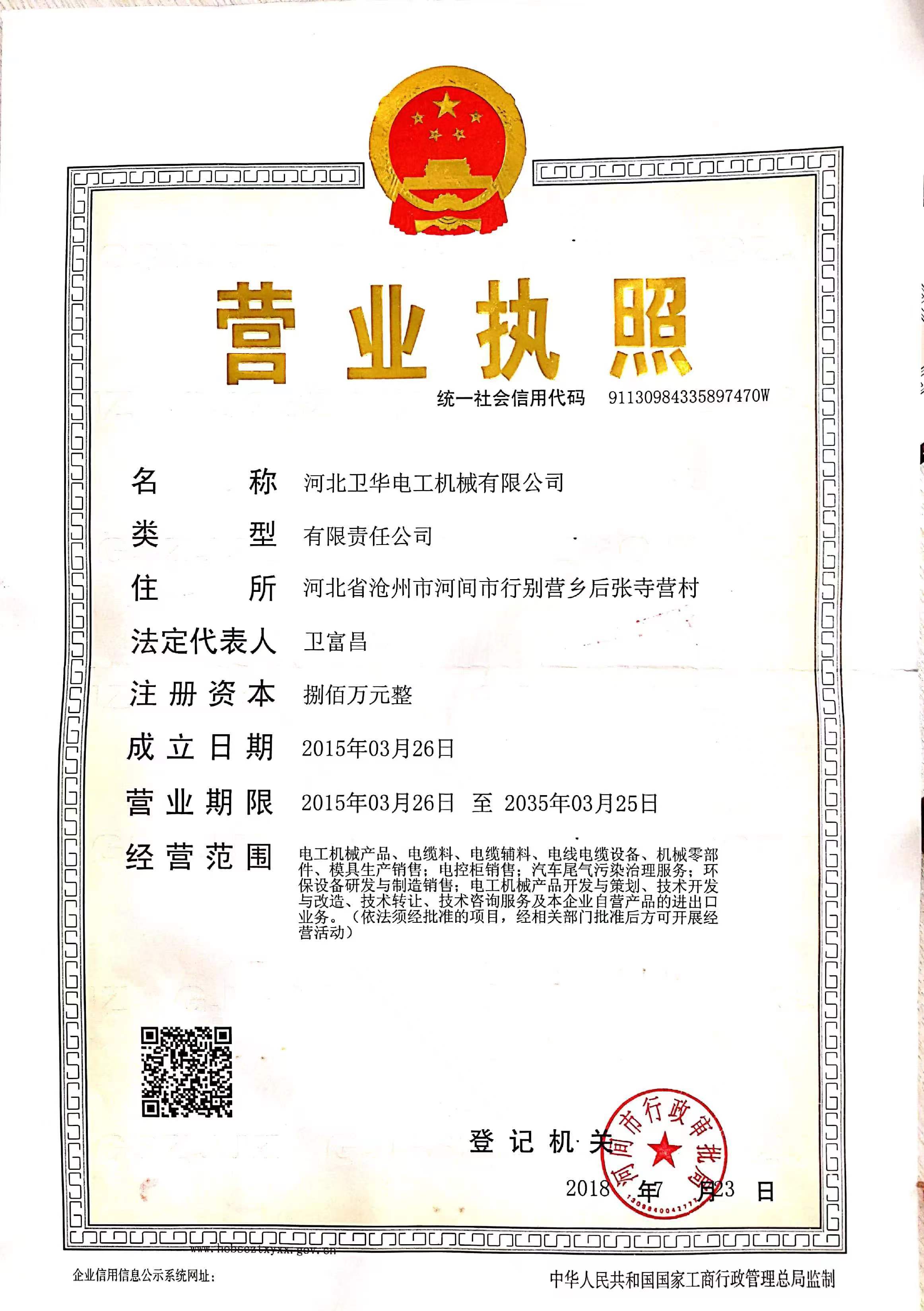
Weihua Electrical Machinery is a professional manufacturer of electrical machinery products integrating design, production, sales and service.




Innovative Solutions: Cold Feed Rubber Extruder Technology in Today's Industry
2025-11-25 10:10

Innovative Solutions: Cold Feed Rubber Extruder Technology in Today's Industry
Table of Contents
1. Introduction to Cold Feed Rubber Extruder Technology
2. Understanding the Mechanisms of Cold Feed Extrusion
3. Benefits of Cold Feed Rubber Extruder Technology
3.1 Enhanced Product Quality
3.2 Increased Production Efficiency
3.3 Cost-Effectiveness
4. Applications of Cold Feed Rubber Extruders in the Electrical Industry
5. Comparing Cold Feed vs. Hot Feed Extrusion
6. Future Trends in Rubber Extrusion Technology
7. Challenges Facing Cold Feed Rubber Extruder Technology
8. Conclusion
9. Frequently Asked Questions (FAQs)
1. Introduction to Cold Feed Rubber Extruder Technology
The electrical and cable industry has been experiencing a significant technological transformation. One of the most pivotal advancements is the cold feed rubber extruder technology. This method allows for the efficient and effective production of various rubber components essential for electrical applications. As businesses continuously strive for improved production methods, understanding this innovative solution becomes imperative.
2. Understanding the Mechanisms of Cold Feed Extrusion
Cold feed rubber extrusion operates by transporting raw rubber materials through a process without the addition of heat during the initial phase. This technology utilizes a specially designed screw and barrel setup, where the raw material is fed into the extruder at ambient temperatures. As the material moves through the barrel, a series of mechanical processes, including shear forces and pressure, help to transform the rubber into a malleable form ready for shaping.
The key components of cold feed extruders include:
- **Feeding System:** Ensures consistent flow of raw materials.
- **Screw Design:** Crucial for mixing and conveying the rubber.
- **Die Head:** Shapes the final product, which can be customized based on industry needs.
3. Benefits of Cold Feed Rubber Extruder Technology
Cold feed rubber extruder technology brings a plethora of advantages to manufacturers in the electrical industry.
3.1 Enhanced Product Quality
The cold feed process minimizes thermal degradation of rubber, ensuring that the quality of the final product is superior. This is particularly important in electrical applications where material integrity is crucial for safety and performance.
3.2 Increased Production Efficiency
By eliminating the need for pre-heating the rubber, production cycles are shortened. This leads to faster turnaround times and the ability to meet market demands more effectively. Manufacturers can produce larger quantities in a shorter time frame.
3.3 Cost-Effectiveness
Cold feed extrusion often reduces operational costs. With less energy used for heating and reduced waste of raw materials, companies can significantly cut down on production expenses. This cost-effectiveness allows for competitive pricing in the market.
4. Applications of Cold Feed Rubber Extruders in the Electrical Industry
The versatility of cold feed rubber extruder technology makes it applicable in various sectors within the electrical industry. Some common applications include:
- **Electrical Insulation Materials:** Producing high-quality insulation for wires and cables.
- **Grommets and Seals:** Creating durable components that protect electrical connections.
- **Rubber Sheathing:** Manufacturing protective outer layers for electrical cables.
These applications highlight the importance of having reliable, high-quality rubber components that withstand environmental factors while maintaining electrical integrity.
5. Comparing Cold Feed vs. Hot Feed Extrusion
When considering extrusion methods, it is essential to understand the differences between cold feed and hot feed extrusion.
- **Cold Feed Extrusion:** Involves processing rubber at room temperature, resulting in less thermal degradation and high-quality output.
- **Hot Feed Extrusion:** Utilizes heat to soften the rubber before extrusion. While this method can increase the flow of materials, it may compromise the overall quality due to increased temperatures.
Each method has its advantages, but for applications requiring superior quality and durability, cold feed rubber extrusion often emerges as the preferred choice.
6. Future Trends in Rubber Extrusion Technology
As the industry evolves, several trends are shaping the future of cold feed rubber extruder technology:
- **Smart Manufacturing:** Integration of IoT and AI for real-time monitoring and optimization of extrusion processes.
- **Sustainable Practices:** A shift towards eco-friendly materials and processes to minimize environmental impact.
- **Customization:** Increased demand for tailored solutions that meet specific electrical applications.
By adopting these trends, manufacturers can stay competitive and responsive to market needs.
7. Challenges Facing Cold Feed Rubber Extruder Technology
Despite its numerous advantages, cold feed rubber extrusion technology is not without challenges:
- **Initial Investment Costs:** High-quality extruders can require significant upfront investment.
- **Technical Expertise:** The need for skilled labor to operate and maintain advanced machinery.
- **Material Limitations:** Not all types of rubber are suitable for cold feed extrusion processes.
Overcoming these challenges is essential for maximizing the benefits of this innovative technology.
8. Conclusion
Cold feed rubber extruder technology stands at the forefront of innovation in the electrical industry. By providing enhanced product quality, increased efficiency, and cost savings, this methodology is revolutionizing how rubber components are manufactured. As the industry continues to evolve, embracing advancements and addressing challenges will be crucial for businesses seeking to leverage these technologies effectively.
9. Frequently Asked Questions (FAQs)
1. What is the main advantage of cold feed rubber extrusion compared to hot feed?
Cold feed rubber extrusion minimizes thermal degradation, providing higher quality products suitable for critical electrical applications.
2. Can all types of rubber be used in cold feed extrusion?
Not all rubber types are suitable; it is essential to select materials specifically designed for cold feed extrusion processes.
3. How does cold feed extrusion impact production costs?
By reducing energy consumption and waste, cold feed extrusion can significantly lower overall production costs.
4. What industries benefit from cold feed rubber extruder technology?
Primarily the electrical industry, but also automotive, healthcare, and consumer goods sectors utilize this technology for various applications.
5. What future trends should manufacturers look out for in rubber extrusion technology?
Key trends include smart manufacturing, sustainable practices, and increased customization to meet specific application needs.
This article aims to provide a detailed understanding of cold feed rubber extruder technology and its significance in today's industry, ensuring that businesses can make informed decisions to enhance their production processes.
Innovative Solutions: Cold Feed Rubber Extruder Technology in Today's Industry
recommend reading
Key Features to Look for in a Cold Feed Rubber Extruder for Electrical Wiring
Key Features to Look for in a Cold Feed Rubber Extruder for Electrical Wiring Understanding Cold Feed Rubber Extruders Cold feed rubber extruders play a crucial role in the manufacturing of electrical wiring. These machines process raw rubber materials into various forms, ensuring they meet specific standards for electrical applications. Understanding the key features of cold feed rubber extruders
Understanding Rubber Extruders: Key Insights for the Electrical Industry
In the electrical and cable industry, the rubber extruder plays a pivotal role in the manufacturing process, particularly when it comes to producing insulation and jacketing for wires and cables. A rubber extruder is a machine that shapes rubber materials into specific profiles or forms by forcing them through a die. Understanding the fundamentals of rubber extruders can significantly enhance oper
The Essential Guide to Cable Types in Production Lines
The Essential Guide to Cable Types in Production Lines Table of Contents Introduction to Cable Types in Production Lines Understanding Different Types of Cables Single-Core vs. Multi-Core Cables: Which Is Right for You? Types of Cables Commonly Used in Production Lines Power Cables Control Cables Data Cables Specialty Cables
The Essential Role of Plastic Extruders in Cable Manufacturing
Plastic extruders play a pivotal role in the modern manufacturing of electrical wires and cables, particularly in the creation of insulation and protective coatings that ensure durability and performance. These machines are designed to melt plastic pellets and then force the molten material through a die to create continuous shapes, making them indispensable in the production of various cable comp
Comparative Analysis: Different Types of Wire and Cable Extrusion Production Lines
Comparative Analysis: Different Types of Wire and Cable Extrusion Production Lines Introduction to Wire and Cable Extrusion Extrusion is a critical process in the production of wires and cables. This procedure involves forcing molten material through a die to create a continuous product with a fixed cross-sectional profile. In the context of the electrical industry, wires and cables are pivotal fo
Understanding Cold Feed Rubber Extruders: A Key Component in Electrical Wire and Cable Manufacturing
In the realm of electrical wire and cable manufacturing, the cold feed rubber extruder stands out as a pivotal technology. This specialized piece of equipment is designed to process rubber compounds at ambient temperatures, offering several advantages over traditional extrusion methods. Understanding the functionality and benefits of cold feed rubber extruders can help manufacturers optimize their