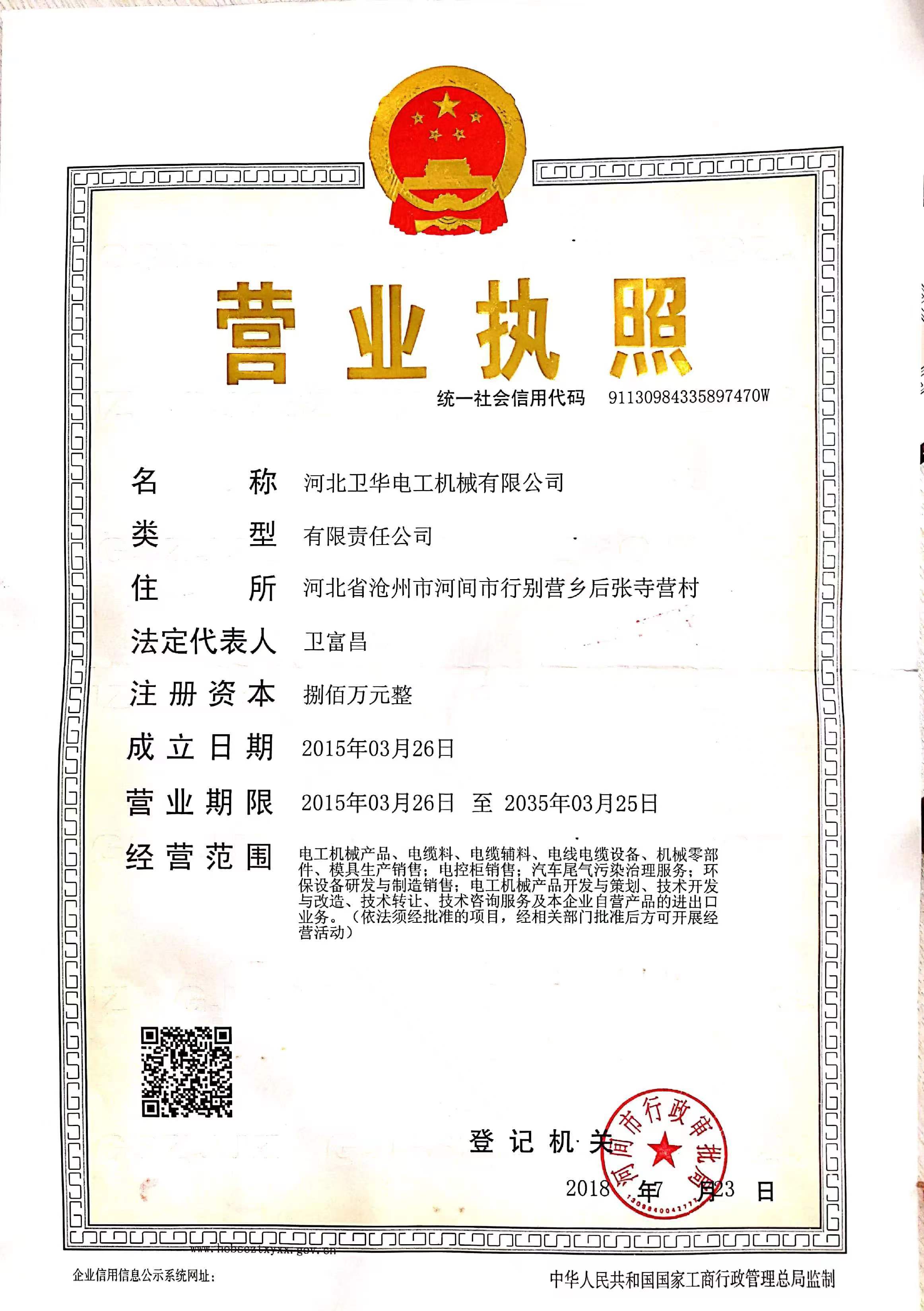
Weihua Electrical Machinery is a professional manufacturer of electrical machinery products integrating design, production, sales and service.




How to Implement Sustainability in Cable Production Line Practices: A Comprehensive Guide
2025-11-11 09:30

How to Implement Sustainability in Cable Production Line Practices
Table of Contents
- Understanding Sustainability in Cable Production
- The Importance of Sustainability in the Cable Industry
- Current Challenges in Cable Production
- Strategies for Sustainable Cable Manufacturing
- Energy-Efficient Production Techniques
- Recycling and Materials Management
- Technological Advancements in Sustainable Cable Production
- Measuring Sustainability Success in Cable Manufacturing
- Future Trends in Sustainable Cable Production
- Frequently Asked Questions
- Conclusion
Understanding Sustainability in Cable Production
Sustainability in cable production refers to the integration of environmental, social, and economic considerations into manufacturing processes. This concept is increasingly vital as industries face pressures to reduce their carbon footprint and enhance resource efficiency. By adopting sustainable practices, cable manufacturers can minimize waste, conserve energy, and promote a circular economy.
The Importance of Sustainability in the Cable Industry
The cable industry plays a crucial role in various sectors, including telecommunications, energy, and transportation. However, traditional production methods often lead to significant environmental impacts. Implementing sustainability in cable production is essential for several reasons:
1. **Regulatory Compliance**: As governments worldwide tighten regulations regarding emissions and waste, adopting sustainable practices ensures compliance and avoids potential penalties.
2. **Consumer Demand**: Modern consumers increasingly prefer products from environmentally responsible companies. Sustainable practices can enhance brand reputation and customer loyalty.
3. **Cost Reduction**: Sustainable practices, such as energy efficiency and waste reduction, can lead to significant cost savings over time.
Current Challenges in Cable Production
While the benefits of sustainability in cable production are clear, manufacturers face multiple challenges, including:
- **High Energy Consumption**: Cable production is energy-intensive, with significant electricity demands during manufacturing and processing.
- **Material Waste**: Traditional practices often result in substantial waste, both in raw materials and during production.
- **Supply Chain Complexities**: Ensuring sustainable practices throughout the supply chain can be challenging, especially with numerous stakeholders involved.
Strategies for Sustainable Cable Manufacturing
To overcome these challenges, manufacturers can adopt several strategies:
1. Embrace Eco-Friendly Materials
Utilizing sustainable materials, such as recycled copper and biodegradable insulation, can significantly reduce the environmental impact of cable production. Manufacturers should source materials from certified suppliers who adhere to sustainable practices.
2. Optimize Production Processes
Implementing lean manufacturing principles can streamline operations and minimize waste. By focusing on process efficiency, manufacturers can reduce material consumption and energy use.
3. Invest in Employee Training
Training employees on sustainable practices can foster a culture of environmental responsibility within the company. Engaged employees are more likely to identify areas for improvement and actively contribute to sustainability efforts.
Energy-Efficient Production Techniques
Energy efficiency is a critical component of sustainable cable production. Here are some techniques to enhance energy efficiency:
1. Utilize Renewable Energy Sources
Investing in renewable energy sources, such as solar or wind power, can significantly reduce the carbon footprint of cable manufacturing facilities. Companies can also explore power purchase agreements (PPAs) to secure renewable energy for their operations.
2. Implement Energy Management Systems (EMS)
An EMS can help manufacturers monitor energy consumption, identify inefficiencies, and implement corrective measures. Utilizing smart technologies can optimize energy use in real-time, further enhancing efficiency.
3. Upgrade Equipment and Machinery
Investing in advanced machinery that consumes less energy can lead to significant cost savings and reduced environmental impact. Regular maintenance of existing equipment also ensures optimal performance and efficiency.
Recycling and Materials Management
Effective recycling and materials management practices are essential for sustainability in cable production.
1. Establish a Circular Economy
A circular economy model focuses on reusing materials and minimizing waste. Manufacturers can implement take-back programs for old cables, allowing them to reclaim materials for future production.
2. Collaborate with Recycling Facilities
Partnering with local recycling facilities can streamline the recycling process and ensure that materials are properly processed and reused. This collaboration can also enhance community relations and contribute to local sustainability efforts.
3. Monitor Material Usage
Tracking the quantity and type of materials used in production can help identify opportunities for reduction and recycling. Regular audits can ensure that materials are utilized efficiently and waste is minimized.
Technological Advancements in Sustainable Cable Production
Emerging technologies are transforming the cable manufacturing landscape, enhancing sustainability.
1. Automation and Smart Manufacturing
Automation can reduce labor costs and improve efficiency. Smart manufacturing techniques, such as the Internet of Things (IoT), enable real-time monitoring and data analytics to optimize production processes further.
2. Advanced Materials Science
Innovations in materials science, such as the development of more sustainable polymers and compounds, can lead to less intrusive manufacturing processes that are less harmful to the environment.
3. Artificial Intelligence (AI) and Machine Learning
AI and machine learning can analyze production data to forecast demand, identify inefficiencies, and suggest improvements, ultimately leading to more sustainable practices.
Measuring Sustainability Success in Cable Manufacturing
To ensure that sustainability initiatives are effective, manufacturers must establish clear metrics for success.
1. Key Performance Indicators (KPIs)
Define KPIs related to energy consumption, waste reduction, and material usage. Regularly review these indicators to assess progress and make informed decisions.
2. Sustainability Reporting
Regular sustainability reports can communicate achievements and areas for improvement to stakeholders, enhancing transparency and accountability.
3. Third-Party Certifications
Pursuing certifications, such as ISO 14001 for environmental management, can validate sustainability efforts and enhance credibility in the market.
Future Trends in Sustainable Cable Production
The cable industry is poised for significant changes as sustainability becomes paramount. Key trends include:
1. **Increased Demand for Renewable Energy Solutions**: As the global push for renewable energy sources accelerates, cable manufacturers will need to innovate in the production of cables for solar, wind, and other renewable technologies.
2. **Enhanced Focus on Supply Chain Sustainability**: Companies will increasingly scrutinize their supply chains to ensure that all stakeholders are committed to sustainable practices.
3. **Consumer Preference for Green Products**: As consumers become more environmentally conscious, manufacturers will need to adapt to changing preferences by offering eco-friendly cable solutions.
Frequently Asked Questions
1. What are the main benefits of sustainability in cable production?
Implementing sustainability in cable production leads to regulatory compliance, cost reductions, and enhanced brand reputation.
2. How can manufacturers track their sustainability efforts?
Manufacturers can use key performance indicators (KPIs), sustainability reporting, and third-party certifications to measure their progress.
3. What materials should be prioritized for sustainable cable production?
Recycled metals and biodegradable insulation materials are excellent choices for sustainable cable manufacturing.
4. How does energy efficiency impact cable production costs?
Improving energy efficiency reduces operational costs over time, leading to significant long-term savings.
5. What role does technology play in enhancing sustainability?
Technological advancements, such as automation and AI, help optimize manufacturing processes, reducing waste and energy consumption.
Conclusion
As the cable industry continues to evolve, adopting sustainable practices is no longer optional but imperative. By implementing innovative strategies, utilizing advanced technologies, and fostering a culture of sustainability, cable manufacturers can not only enhance their operational efficiency but also contribute positively to the environment. The journey toward sustainability in cable production may present challenges, but the long-term benefits far outweigh the initial efforts, providing a more sustainable and profitable future for the industry.
How to Implement Sustainability in Cable Production Line Practices: A Comprehensive Guide
recommend reading
Key Features to Look for in a Cold Feed Rubber Extruder for Electrical Wiring
Key Features to Look for in a Cold Feed Rubber Extruder for Electrical Wiring Understanding Cold Feed Rubber Extruders Cold feed rubber extruders play a crucial role in the manufacturing of electrical wiring. These machines process raw rubber materials into various forms, ensuring they meet specific standards for electrical applications. Understanding the key features of cold feed rubber extruders
Understanding Rubber Extruders: Key Insights for the Electrical Industry
In the electrical and cable industry, the rubber extruder plays a pivotal role in the manufacturing process, particularly when it comes to producing insulation and jacketing for wires and cables. A rubber extruder is a machine that shapes rubber materials into specific profiles or forms by forcing them through a die. Understanding the fundamentals of rubber extruders can significantly enhance oper
The Essential Guide to Cable Types in Production Lines
The Essential Guide to Cable Types in Production Lines Table of Contents Introduction to Cable Types in Production Lines Understanding Different Types of Cables Single-Core vs. Multi-Core Cables: Which Is Right for You? Types of Cables Commonly Used in Production Lines Power Cables Control Cables Data Cables Specialty Cables
The Essential Role of Plastic Extruders in Cable Manufacturing
Plastic extruders play a pivotal role in the modern manufacturing of electrical wires and cables, particularly in the creation of insulation and protective coatings that ensure durability and performance. These machines are designed to melt plastic pellets and then force the molten material through a die to create continuous shapes, making them indispensable in the production of various cable comp
Comparative Analysis: Different Types of Wire and Cable Extrusion Production Lines
Comparative Analysis: Different Types of Wire and Cable Extrusion Production Lines Introduction to Wire and Cable Extrusion Extrusion is a critical process in the production of wires and cables. This procedure involves forcing molten material through a die to create a continuous product with a fixed cross-sectional profile. In the context of the electrical industry, wires and cables are pivotal fo
Understanding Cold Feed Rubber Extruders: A Key Component in Electrical Wire and Cable Manufacturing
In the realm of electrical wire and cable manufacturing, the cold feed rubber extruder stands out as a pivotal technology. This specialized piece of equipment is designed to process rubber compounds at ambient temperatures, offering several advantages over traditional extrusion methods. Understanding the functionality and benefits of cold feed rubber extruders can help manufacturers optimize their