Weihua Electrical Machinery is a professional manufacturer of electrical machinery products integrating design, production, sales and service.




How is the rubber continuous vulcanization line operated?
2023-01-21 12:30
How is the rubber continuous vulcanization line operated?
In the processing of rubber continuous vulcanization production line, the press is called a flat vulcanizer. The main parameters of the press are nominal tonnage, platen size, working stroke and plunger diameter, which determine the area, height or thickness of the product that the press can form and the large forming pressure that can be achieved. According to the structural characteristics of the tool, it can be divided into three types: overflow, overflow and semi-overflow, of which semi-overflow is commonly used. The processing process is divided into household materials, sealing tools, exhaust, hardening, lint, tool cleaning, etc. For products that require sealing inserts during the molding process, the inserts should be placed before filling. The main control process conditions are pressure, molding temperature and intermediate molding process. Molding is also a very important molding method in the rubber industry. Cut or cut the rubber into simple shapes, put it in a heating tool, vulcanize during the molding process, and the product will shed hair during the hot process. Many rubber model products (such as gaskets, shock-absorbing products (such as aprons, rubber plates) are produced in this way.
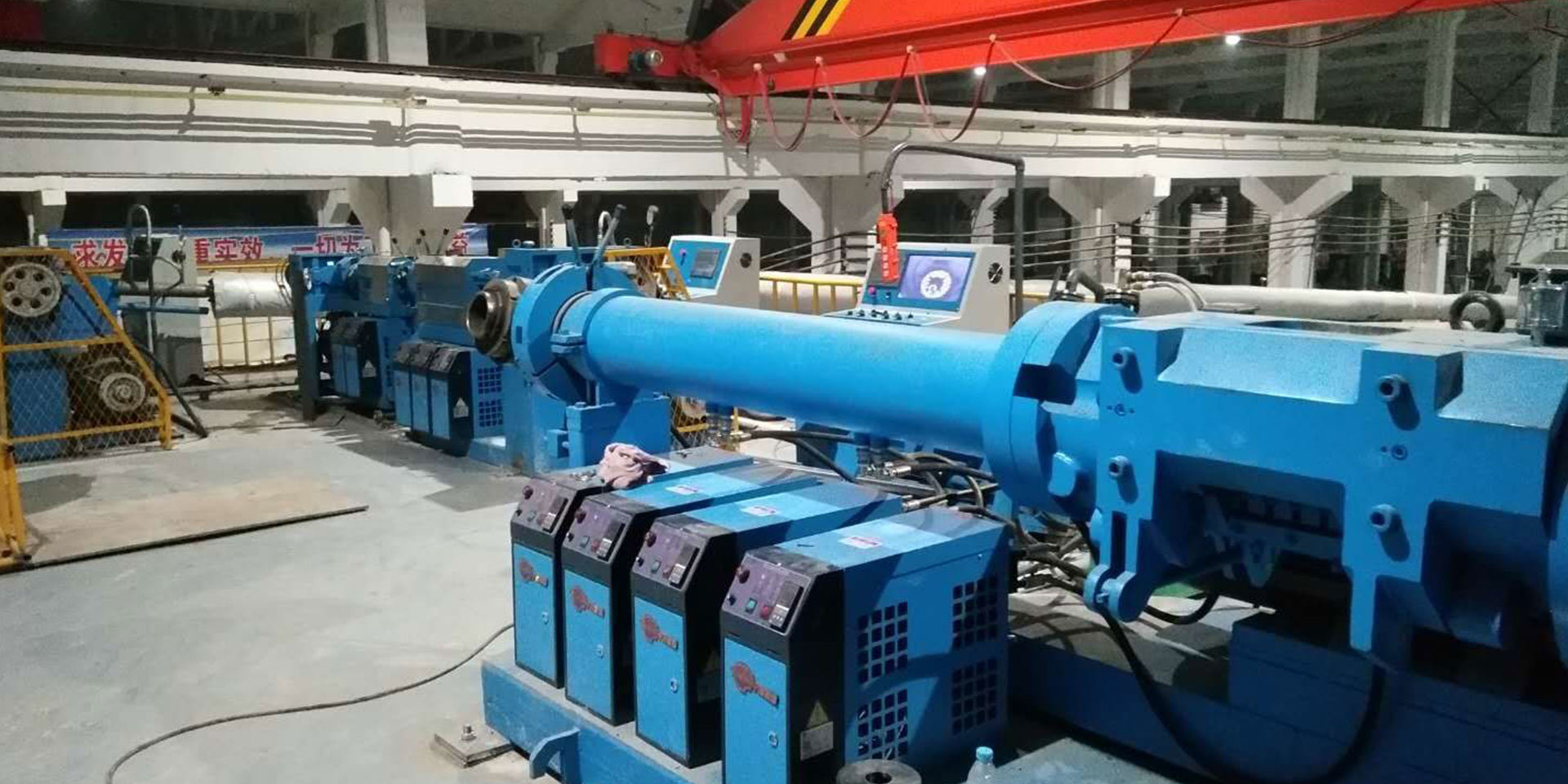
The operation specifications of rubber continuous vulcanization production line are as follows:
1. preparation:
1. Check the oil pressure flow before use. The height of the hydraulic oil is 2/3 of the height of the Hart block. Wait in the process of insufficient traffic, add in the process. Milk should be carefully filtered before injection. Fill the filling hole of the lower seat with pure 20# hydraulic oil. The flow height can be seen through the flow table, usually adding to the 2/3 of the height of the lower seat.
2. Check the lubrication between the drive shaft and the guide frame, and add oil in the process to maintain good lubrication.
3. Turn on the power, move the working handle to the vertical position, close the oil return port, press the motor start button, the oil produced by the oil pump will enter the oil barrel and drive the plunger to rise. After the hot plate is turned off, the oil pump will continue to supply oil. When the oil pressure rises to the rated pressure (14.5MPa), press the stop registration button to stop the machine compression (ie
4. Hot plate temperature adjustment: Put the mold on the hot plate, close the knob SA1, and the hot plate starts to heat. When the temperature of the plate reaches the preset vulcanization temperature, the plate will automatically stop heating. When the air temperature is lower than the set value, the plate will be automatically heated, so that the air temperature is always maintained at the set value.
5. Curing machine action control: motor start button SB2, oil pump operation, clamping pressure and oil pressure to reach the adjustment value, loosen 1~2 times, and then tighten the tool, automatically record the middle of the vulcanization process. When the pump motor starts to automatically compensate for the pressure drop, it reaches the intermediate setting during the curing process.
Hydraulic system of 2. rubber continuous vulcanization production line
1. Hydraulic oil must use No. 20 oil or No. 32 oil, which must be added after fine filtration.
2. regular oil, sediment filter after use. Clean the oil filter in the same process.
3. All parts of the machine should be kept clean, and oil should be added frequently between the pillar shaft and the guide rail to maintain good lubrication. 4. If abnormal noise is found, please shut down immediately for inspection and solve the problem before continuing to use.
Precautions during the use of 3. rubber continuous vulcanization production line.
1. The working pressure can not exceed the rated pressure.
2. The small size of the tool should not be smaller than the diameter of the plunger. The tool should be placed in the center of the hot plate. The working hydraulic pressure should be adjusted according to the size of the tool and the vulcanization process.
3. In the process of stopping use, be sure to cut off the main power supply.
4. During the operation, the column nut should be kept tightened and checked regularly for looseness.
5. In the process of empty vehicle debugging, a 60mm thick backing plate must be placed in the flat plate.
6. The host and control box must have reliable grounding.
7. Be sure to tighten it every time you touch it and check it regularly for looseness.
8. Keep the instruments in the electrical part clean, and all instruments shall not collide or knock.
9. If a fault is found, stop maintenance immediately.
How is the rubber continuous vulcanization line operated?
recommend reading
Key Features to Look for in a Cold Feed Rubber Extruder for Electrical Wiring
Key Features to Look for in a Cold Feed Rubber Extruder for Electrical Wiring Understanding Cold Feed Rubber Extruders Cold feed rubber extruders play a crucial role in the manufacturing of electrical wiring. These machines process raw rubber materials into various forms, ensuring they meet specific standards for electrical applications. Understanding the key features of cold feed rubber extruders
Understanding Rubber Extruders: Key Insights for the Electrical Industry
In the electrical and cable industry, the rubber extruder plays a pivotal role in the manufacturing process, particularly when it comes to producing insulation and jacketing for wires and cables. A rubber extruder is a machine that shapes rubber materials into specific profiles or forms by forcing them through a die. Understanding the fundamentals of rubber extruders can significantly enhance oper
The Essential Guide to Cable Types in Production Lines
The Essential Guide to Cable Types in Production Lines Table of Contents Introduction to Cable Types in Production Lines Understanding Different Types of Cables Single-Core vs. Multi-Core Cables: Which Is Right for You? Types of Cables Commonly Used in Production Lines Power Cables Control Cables Data Cables Specialty Cables
The Essential Role of Plastic Extruders in Cable Manufacturing
Plastic extruders play a pivotal role in the modern manufacturing of electrical wires and cables, particularly in the creation of insulation and protective coatings that ensure durability and performance. These machines are designed to melt plastic pellets and then force the molten material through a die to create continuous shapes, making them indispensable in the production of various cable comp
Comparative Analysis: Different Types of Wire and Cable Extrusion Production Lines
Comparative Analysis: Different Types of Wire and Cable Extrusion Production Lines Introduction to Wire and Cable Extrusion Extrusion is a critical process in the production of wires and cables. This procedure involves forcing molten material through a die to create a continuous product with a fixed cross-sectional profile. In the context of the electrical industry, wires and cables are pivotal fo
Understanding Cold Feed Rubber Extruders: A Key Component in Electrical Wire and Cable Manufacturing
In the realm of electrical wire and cable manufacturing, the cold feed rubber extruder stands out as a pivotal technology. This specialized piece of equipment is designed to process rubber compounds at ambient temperatures, offering several advantages over traditional extrusion methods. Understanding the functionality and benefits of cold feed rubber extruders can help manufacturers optimize their