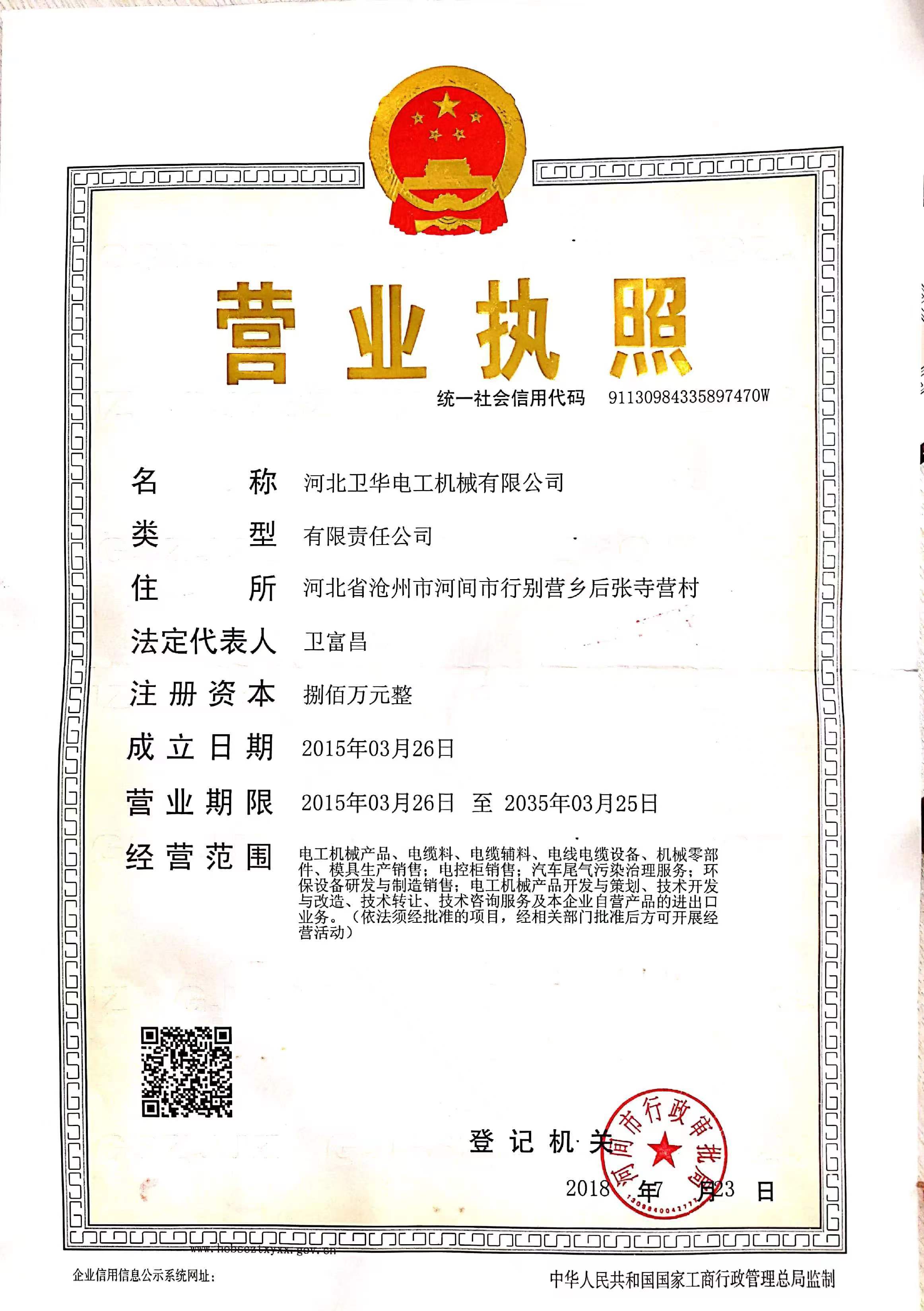
Weihua Electrical Machinery is a professional manufacturer of electrical machinery products integrating design, production, sales and service.




Extrusion system for plastic extruder
2022-05-06 15:31

The extrusion system includes a screw, a barrel, a hopper, a head, and a die. The plastic extruder plastic is plasticized into a uniform melt by the extrusion system, and is continuously extruded by the screw under the pressure established in this process.
Screw: is the main part of the extruder, it is directly related to the scope of application and productivity of the extruder, made of alloy steel.
Barrel: It is a metal cylinder, generally made of heat-resistant, high compressive strength, alloy steel or composite steel lined with alloy steel. The barrel is matched with the screw to realize the crushing, softening, melting, plasticizing, exhausting and compacting of the plastic, and the rubber material is continuously and evenly transported to the molding system. The length of the general barrel is 15 to 30 times its diameter, so that the plastic is fully heated and fully plasticized.
Hopper: The bottom of the hopper is equipped with a cut-off device to adjust and cut off the material flow, and the side of the hopper is equipped with a sight hole and a calibrated metering device.
Machine head and die: the machine head is composed of alloy steel inner sleeve and carbon steel outer sleeve. the machine head is equipped with a forming die. the function of the machine head is to convert the rotating plastic melt into parallel linear motion, uniformly and smoothly introduce it into the die sleeve, and endow the plastic with forming pressure. The plastic of the plastic extruder is plasticized and compacted in the barrel, and flows into the forming die of the head through the neck of the head through the flow channel along the porous filter plate. The core and sleeve of the mold are properly matched to form an annular gap with decreasing cross section, so that the plastic melt forms a continuous and dense tubular coating layer around the core wire. In order to make the plastic flow channel in the machine head reasonable and accumulate the dead angle of plastic, a shunt sleeve is often arranged, and a pressure equalizing ring is also arranged for the pressure fluctuation during plastic extrusion. The machine head is also equipped with a mold correction and adjustment device, which is convenient to adjust and correct the concentricity of the mold core and the mold sleeve.
The plastic extruder divides the head into an oblique angle head (angle 120o) and a right angle head according to the angle between the head material flow direction and the screw line. The shell of the machine head is fixed on the fuselage with bolts. The die in the machine head is seated with a mold core and fixed on the wire inlet port of the machine head with nuts. The front of the mold core seat is equipped with a mold core, and the holes of the mold core and the mold core seat are used to pass the core wire. The front of the machine head is equipped with a pressure equalizing ring for pressure. The extrusion part consists of the mold sleeve seat and the mold sleeve, in order to adjust the relative position of the mold sleeve to the mold core, it is convenient to adjust the uniformity of the thickness of the extruded cladding, and the outside of the machine head is equipped with a heating device and a temperature measuring device.

Extrusion system for plastic extruder
recommend reading
Key Features to Look for in a Cold Feed Rubber Extruder for Electrical Wiring
Key Features to Look for in a Cold Feed Rubber Extruder for Electrical Wiring Understanding Cold Feed Rubber Extruders Cold feed rubber extruders play a crucial role in the manufacturing of electrical wiring. These machines process raw rubber materials into various forms, ensuring they meet specific standards for electrical applications. Understanding the key features of cold feed rubber extruders
Understanding Rubber Extruders: Key Insights for the Electrical Industry
In the electrical and cable industry, the rubber extruder plays a pivotal role in the manufacturing process, particularly when it comes to producing insulation and jacketing for wires and cables. A rubber extruder is a machine that shapes rubber materials into specific profiles or forms by forcing them through a die. Understanding the fundamentals of rubber extruders can significantly enhance oper
The Essential Guide to Cable Types in Production Lines
The Essential Guide to Cable Types in Production Lines Table of Contents Introduction to Cable Types in Production Lines Understanding Different Types of Cables Single-Core vs. Multi-Core Cables: Which Is Right for You? Types of Cables Commonly Used in Production Lines Power Cables Control Cables Data Cables Specialty Cables
The Essential Role of Plastic Extruders in Cable Manufacturing
Plastic extruders play a pivotal role in the modern manufacturing of electrical wires and cables, particularly in the creation of insulation and protective coatings that ensure durability and performance. These machines are designed to melt plastic pellets and then force the molten material through a die to create continuous shapes, making them indispensable in the production of various cable comp
Comparative Analysis: Different Types of Wire and Cable Extrusion Production Lines
Comparative Analysis: Different Types of Wire and Cable Extrusion Production Lines Introduction to Wire and Cable Extrusion Extrusion is a critical process in the production of wires and cables. This procedure involves forcing molten material through a die to create a continuous product with a fixed cross-sectional profile. In the context of the electrical industry, wires and cables are pivotal fo
Understanding Cold Feed Rubber Extruders: A Key Component in Electrical Wire and Cable Manufacturing
In the realm of electrical wire and cable manufacturing, the cold feed rubber extruder stands out as a pivotal technology. This specialized piece of equipment is designed to process rubber compounds at ambient temperatures, offering several advantages over traditional extrusion methods. Understanding the functionality and benefits of cold feed rubber extruders can help manufacturers optimize their