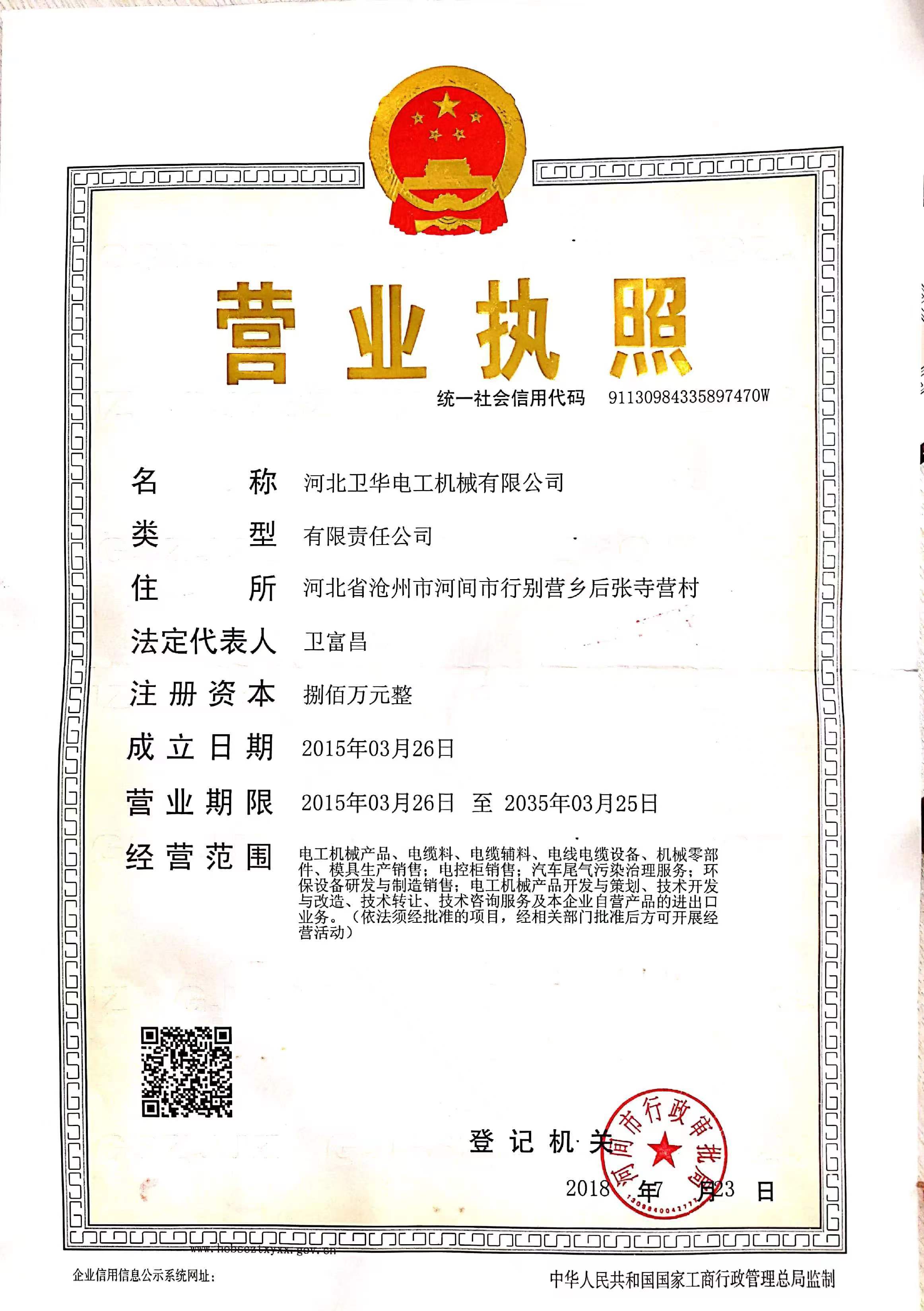
Weihua Electrical Machinery is a professional manufacturer of electrical machinery products integrating design, production, sales and service.




Heat generation in the extrusion production process of the extruder
2022-05-06 15:29

Extruder in the extrusion production process of heat generation (heating) external heating is currently commonly used in the extruder is electric heating, but also a relatively clean, easy to control the heating method. (Of course, there are heat transfer oil, electromagnetic induction, etc., not discussed here.) That is, the electric heater (with resistance wire) is packaged on the barrel, and the material is heated and melted due to the joint action of heat conduction, convection and radiation.
Electric heaters are currently commonly used mica heaters, ceramic heaters, cast aluminum heaters, cast copper heaters, cast iron heaters, etc., because of their different effects and used in different extruders. Mica heaters are less expensive and easy to process, but have a shorter life. (to round point); Ceramic heater, cast iron heater power can be done larger, fast heating, can rise to 300 ℃ or more, but the life is shorter than cast aluminum heater, cast copper heater, thermal efficiency is also worse. Cast aluminum heater and cast copper heater are commonly used because of heat, good heat preservation performance and long service life. Shear friction heat in the extrusion process (internal heat) In the extrusion process, the shape of the plastic particles due to strong extrusion pressure and deformation of the heat generated; between the plastic particles and the particles and the barrel and the screw The heat generated by friction; the stronger the screw shear, the greater the internal heat generated. Extruder extrusion process cooling (cooling) in the extruder extrusion production process, in order to accurately control the temperature, through various ways to cooling is. This is because the temperature rise inertia in the heating process (similarly, the temperature cooling process also has inertia) in the heating process, no matter what kind of heating method you use, even if you have stopped heating, but because of the inertia of the temperature, the temperature will continue to rise, depending on the size of the heating power and the control parameters and accuracy of the temperature control instrument. Shear friction heat (internal heat) during extrusion.
In the process of extrusion granulation, internal heat will be generated, and the internal heat will make the processing temperature rise continuously, destroy the physical properties of the material, and even cause waste. Of course, the generation of internal heat is not all bad. As long as the internal heat is controlled, the temperature is controlled, and the internal heat is used to provide the temperature required for processing, not only the use of electric energy is reduced or reduced, but also energy saving and environmental protection. The extrusion metering section of the parallel co-rotating twin-screw extruder hardly needs to be heated during the production process, and proper cooling is required. The cooling method is natural air cooling. (Low cooling efficiency, cooling is not easy to control) forced air cooling. By controlling the start and stop of the cooling fan or controlling the opening and closing of the cooling air pipe valve, the temperature of the barrel in this section is cooled by wind power. The cooling speed is slow, the cooling efficiency is not high, and it is not suitable for machines that generate more internal heat.
Soft water (mostly distilled water) for cooling. Control the opening and closing of the solenoid valve of the cooling water circuit, so that the soft water can take away the heat through the barrel water channel, so as to achieve the purpose of cooling. Of course, it is also necessary to use external cooling water to cool the warmed soft water. Soft water cooling, cooling, easy to control. However, the cooling inertia is large, and the requirements for the design of the temperature control table, solenoid valve, and cooling water channel in the control process are relatively high. In use, due to rust of the barrel and other reasons, it will cause local blockage of the cooling water circuit, resulting in cooling failure (if soft water is not used, the water channel of the cylinder will be scalded due to high temperature, which will eventually block the water channel of the cylinder). The soft water needs to be changed regularly. Heat conduction oil cooling (different from direct heating temperature control with heat conduction oil). The control method is similar to that of soft water cooling, but the heat conduction medium is different. Heat conduction oil cooling is more uniform and soft. However, the sealing requirements of the pipeline are high, and it is troublesome when the oil leaks. Some extruders can also use soft water or heat transfer oil to directly cool the screw, especially for processing some heat-sensitive materials

Heat generation in the extrusion production process of the extruder
recommend reading
Key Features to Look for in a Cold Feed Rubber Extruder for Electrical Wiring
Key Features to Look for in a Cold Feed Rubber Extruder for Electrical Wiring Understanding Cold Feed Rubber Extruders Cold feed rubber extruders play a crucial role in the manufacturing of electrical wiring. These machines process raw rubber materials into various forms, ensuring they meet specific standards for electrical applications. Understanding the key features of cold feed rubber extruders
Understanding Rubber Extruders: Key Insights for the Electrical Industry
In the electrical and cable industry, the rubber extruder plays a pivotal role in the manufacturing process, particularly when it comes to producing insulation and jacketing for wires and cables. A rubber extruder is a machine that shapes rubber materials into specific profiles or forms by forcing them through a die. Understanding the fundamentals of rubber extruders can significantly enhance oper
The Essential Guide to Cable Types in Production Lines
The Essential Guide to Cable Types in Production Lines Table of Contents Introduction to Cable Types in Production Lines Understanding Different Types of Cables Single-Core vs. Multi-Core Cables: Which Is Right for You? Types of Cables Commonly Used in Production Lines Power Cables Control Cables Data Cables Specialty Cables
The Essential Role of Plastic Extruders in Cable Manufacturing
Plastic extruders play a pivotal role in the modern manufacturing of electrical wires and cables, particularly in the creation of insulation and protective coatings that ensure durability and performance. These machines are designed to melt plastic pellets and then force the molten material through a die to create continuous shapes, making them indispensable in the production of various cable comp
Comparative Analysis: Different Types of Wire and Cable Extrusion Production Lines
Comparative Analysis: Different Types of Wire and Cable Extrusion Production Lines Introduction to Wire and Cable Extrusion Extrusion is a critical process in the production of wires and cables. This procedure involves forcing molten material through a die to create a continuous product with a fixed cross-sectional profile. In the context of the electrical industry, wires and cables are pivotal fo
Understanding Cold Feed Rubber Extruders: A Key Component in Electrical Wire and Cable Manufacturing
In the realm of electrical wire and cable manufacturing, the cold feed rubber extruder stands out as a pivotal technology. This specialized piece of equipment is designed to process rubber compounds at ambient temperatures, offering several advantages over traditional extrusion methods. Understanding the functionality and benefits of cold feed rubber extruders can help manufacturers optimize their