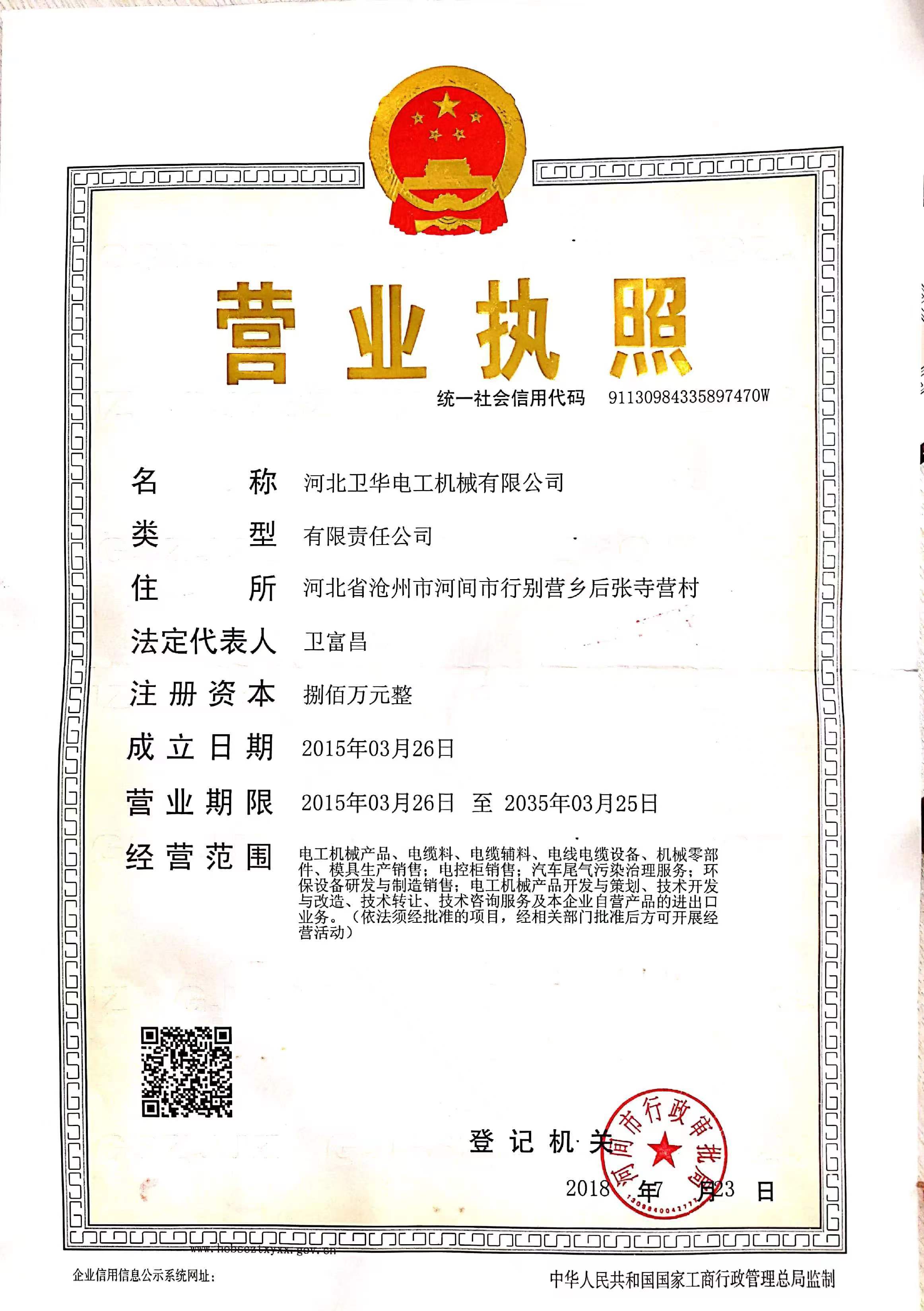
Weihua Electrical Machinery is a professional manufacturer of electrical machinery products integrating design, production, sales and service.




From Design to Production: The Comprehensive Journey of Rubber Extruders
2026-05-12 10:10

From Design to Production: The Comprehensive Journey of Rubber Extruders
The rubber extrusion industry plays a crucial role in manufacturing various products that serve a multitude of sectors, from automotive to electrical applications. Understanding the journey of rubber extruders—from conceptual design to completed production—not only provides insights into the engineering processes involved but also highlights the significance of these machines in the broader manufacturing landscape. This article will guide you through each step of the journey, detailing every aspect of the rubber extrusion process.
The Basics of Rubber Extrusion
Rubber extrusion is a manufacturing process that involves shaping rubber materials into specific profiles. The process utilizes heat and pressure to transform raw rubber into usable products. Understanding the basic principles of rubber extrusion is essential for grasping the entire journey of rubber extruders.
What is Rubber Extrusion?
Rubber extrusion is a process where rubber compounds are forced through a die to create a continuous profile. The extruded rubber can take various forms, including sheets, tubes, and custom shapes designed for specific applications. These profiles can then be cut to length for further processing or use.
Types of Rubber Extruders
There are primarily two types of rubber extruders: single-screw and twin-screw extruders. Each type has its advantages and applications:
- Single-Screw Extruders: These are the most common type, characterized by a single screw that moves the rubber through the barrel. They are typically used for simpler compounds.
- Twin-Screw Extruders: These extruders feature two intermeshing screws, allowing for better mixing and processing of complex rubber compounds. They are ideal for applications requiring precise control over material properties.
Designing Rubber Extruders: The Initial Phase
The journey of rubber extruders begins in the design phase. This stage is crucial as it lays the groundwork for the machine’s functionality and efficiency.
Understanding Material Requirements
Before designing a rubber extruder, it is essential to have a deep understanding of the types of rubber materials to be processed. Different rubber compounds have unique properties that influence the design and specifications of the extruder.
Engineering the Extruder
Engineering the extruder involves creating technical drawings and specifications that will guide the manufacturing process. This includes:
- Defining the barrel dimensions and screw geometry.
- Selecting materials for the construction of the extruder, often considering heat resistance and durability.
- Determining the drive mechanism and motor specifications necessary for optimal performance.
Prototyping: Bringing the Design to Life
Once the design is complete, the next step is prototyping. This phase allows engineers to create a model of the rubber extruder, which can be tested and refined before mass production.
Building the Prototype
Creating a prototype involves fabricating the components based on the technical drawings. Engineers must ensure that every aspect of the design is accurate to facilitate effective testing.
Testing and Refinement
Testing the prototype is critical. This phase involves running various tests to identify any design flaws or inefficiencies. Common tests include:
- Performance testing under various operating conditions.
- Durability assessments to ensure longevity.
- Material compatibility tests to confirm that the extruder can handle the intended rubber compounds.
Transitioning from Prototype to Production
Once testing is complete and modifications are made, the extruder is ready for the production phase. This stage involves scaling up the operations to manufacture multiple units efficiently.
Manufacturing Processes
The manufacturing of rubber extruders typically involves several key processes:
- Machining: Precision machining is conducted to create individual components, including the barrel and screws, ensuring they meet the exact specifications.
- Assembly: After machining, the components are assembled, often involving intricate procedures to ensure proper alignment and functionality.
- Quality Control: Rigorous quality control checks are performed throughout the manufacturing process to guarantee that each extruder meets industry standards.
Logistics and Distribution
After production, the next step is logistics and distribution. This involves packaging the extruders properly to prevent damage during transportation and ensuring timely delivery to clients worldwide. Efficient logistics management is essential to maintain customer satisfaction and uphold the reputation of the manufacturer.
The Role of Technology in Rubber Extrusion
Technology plays a significant role in enhancing the efficiency and effectiveness of rubber extruders. Innovations in automation and control systems have transformed the industry, leading to improved production rates and product quality.
Automation in Rubber Extrusion
Modern rubber extruders often incorporate automation systems that streamline the production process. These systems enable real-time monitoring of parameters such as temperature, pressure, and material flow, allowing for immediate adjustments to maintain optimal conditions.
Advanced Control Systems
Advanced control systems utilize sophisticated software to manage the extrusion process. These systems help reduce human error and enhance precision, ensuring that the final product meets the required specifications.
Environmental Considerations in Rubber Extrusion
As the industry evolves, so do the environmental considerations associated with rubber extrusion. Manufacturers are increasingly focusing on sustainability and minimizing their environmental footprint.
Eco-Friendly Materials
Many companies are exploring the use of eco-friendly materials in their rubber compounds. These materials help reduce the environmental impact while maintaining product quality.
Energy Efficiency
Implementing energy-efficient practices in the extrusion process is vital for sustainability. Manufacturers are investing in machinery that consumes less energy while delivering the same output, thereby reducing their overall carbon footprint.
Future Trends in Rubber Extrusion
The rubber extrusion industry is continuously evolving, with new trends shaping its future. Staying abreast of these trends is crucial for manufacturers looking to maintain a competitive edge.
Smart Manufacturing
The integration of smart manufacturing technologies, such as the Internet of Things (IoT), is revolutionizing the rubber extrusion process. Smart extruders equipped with sensors and data analytics are paving the way for predictive maintenance and enhanced production efficiency.
Customization and Flexibility
Customers are increasingly demanding more customized products, prompting manufacturers to adopt flexible production methods. This flexibility allows for rapid adjustments to the extrusion process, accommodating varying customer specifications without significant downtime.
FAQs about Rubber Extruders
What are the main applications of rubber extruders?
Rubber extruders are used in various applications, including automotive parts, electrical insulation, seals, gaskets, and a wide array of industrial components.
How do I choose the right rubber extruder for my needs?
Choosing the right rubber extruder depends on factors like the type of rubber compound, desired output shape, and production volume. Consulting with an expert can provide tailored recommendations.
What maintenance is required for rubber extruders?
Regular maintenance includes cleaning, lubrication of moving parts, checking for wear and tear, and ensuring that sensors and automation systems are functioning correctly.
Can rubber extruders be used for both thermoset and thermoplastic materials?
Yes, some rubber extruders can process both thermoset and thermoplastic materials, although the specific configuration and setup may vary between the two types.
What advancements are being made in rubber extrusion technology?
Advancements include automation, smart manufacturing technologies, and the use of eco-friendly materials, all aimed at improving efficiency and sustainability in the industry.
Conclusion
The journey of rubber extruders from design to production is a complex yet fascinating process that emphasizes the importance of engineering precision, technological innovation, and sustainability. As the industry continues to evolve, manufacturers must remain adaptable, embracing new technologies and practices to meet the ever-changing demands of the market. Understanding this journey not only aids in appreciating the intricacies of rubber extrusion but also highlights its vital role in various sectors of the economy.
From Design to Production: The Comprehensive Journey of Rubber Extruders
recommend reading
Key Features to Look for in a Cold Feed Rubber Extruder for Electrical Wiring
Key Features to Look for in a Cold Feed Rubber Extruder for Electrical Wiring Understanding Cold Feed Rubber Extruders Cold feed rubber extruders play a crucial role in the manufacturing of electrical wiring. These machines process raw rubber materials into various forms, ensuring they meet specific standards for electrical applications. Understanding the key features of cold feed rubber extruders
Understanding Rubber Extruders: Key Insights for the Electrical Industry
In the electrical and cable industry, the rubber extruder plays a pivotal role in the manufacturing process, particularly when it comes to producing insulation and jacketing for wires and cables. A rubber extruder is a machine that shapes rubber materials into specific profiles or forms by forcing them through a die. Understanding the fundamentals of rubber extruders can significantly enhance oper
The Essential Guide to Cable Types in Production Lines
The Essential Guide to Cable Types in Production Lines Table of Contents Introduction to Cable Types in Production Lines Understanding Different Types of Cables Single-Core vs. Multi-Core Cables: Which Is Right for You? Types of Cables Commonly Used in Production Lines Power Cables Control Cables Data Cables Specialty Cables
The Essential Role of Plastic Extruders in Cable Manufacturing
Plastic extruders play a pivotal role in the modern manufacturing of electrical wires and cables, particularly in the creation of insulation and protective coatings that ensure durability and performance. These machines are designed to melt plastic pellets and then force the molten material through a die to create continuous shapes, making them indispensable in the production of various cable comp
Comparative Analysis: Different Types of Wire and Cable Extrusion Production Lines
Comparative Analysis: Different Types of Wire and Cable Extrusion Production Lines Introduction to Wire and Cable Extrusion Extrusion is a critical process in the production of wires and cables. This procedure involves forcing molten material through a die to create a continuous product with a fixed cross-sectional profile. In the context of the electrical industry, wires and cables are pivotal fo
Understanding Cold Feed Rubber Extruders: A Key Component in Electrical Wire and Cable Manufacturing
In the realm of electrical wire and cable manufacturing, the cold feed rubber extruder stands out as a pivotal technology. This specialized piece of equipment is designed to process rubber compounds at ambient temperatures, offering several advantages over traditional extrusion methods. Understanding the functionality and benefits of cold feed rubber extruders can help manufacturers optimize their