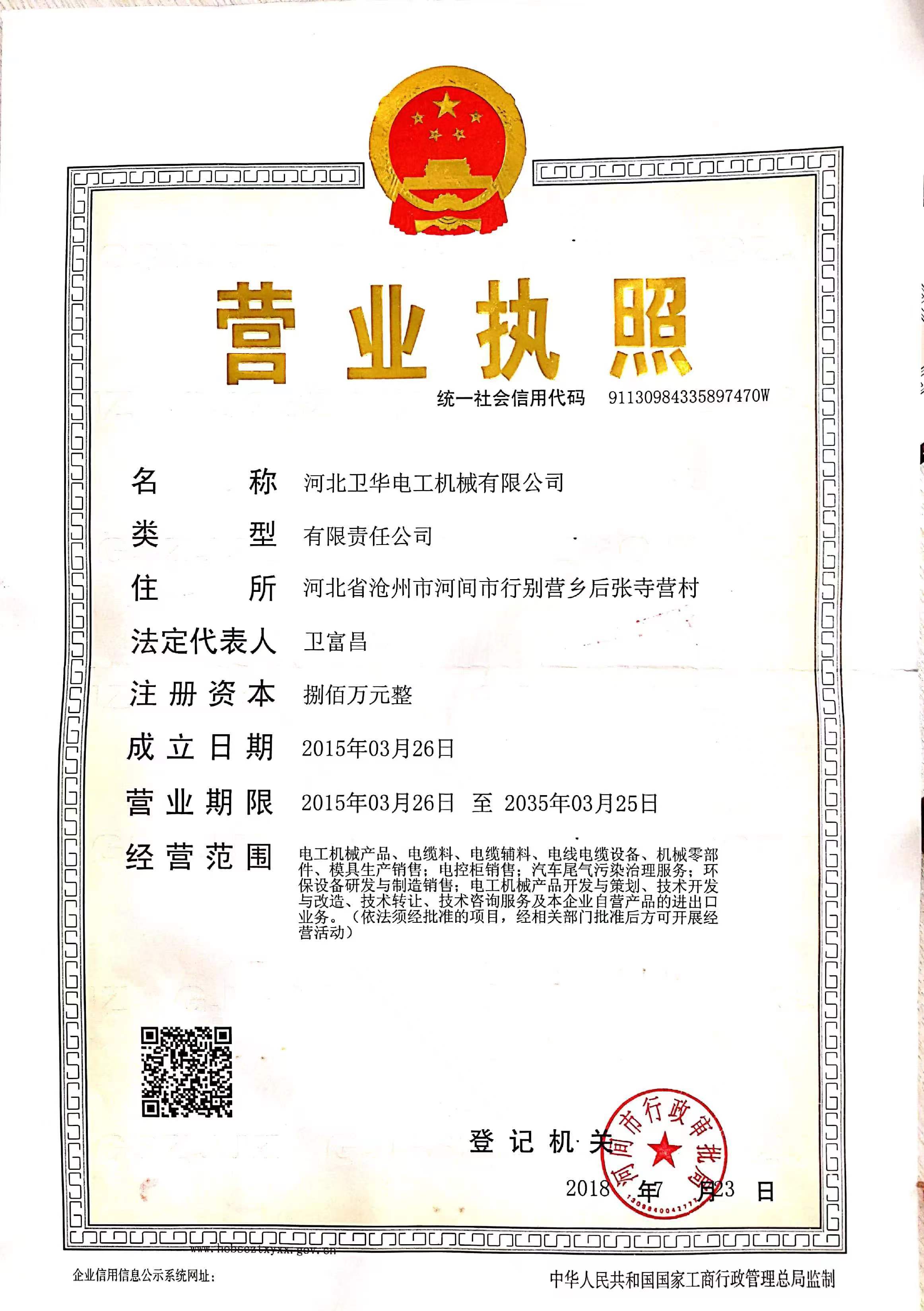
Weihua Electrical Machinery is a professional manufacturer of electrical machinery products integrating design, production, sales and service.




How Cable Production Lines Are Adapting to Market Changes: Innovations and Strategies for the Future
2026-03-31 10:20

How Cable Production Lines Are Adapting to Market Changes
In the ever-evolving landscape of the electrical and electronic industries, cable production lines are undergoing significant transformations. As global demand for varied cable types increases, manufacturers face unique challenges and opportunities. From technological advancements to sustainability initiatives, it’s crucial to understand how these production lines are adapting to market changes.
The Current State of the Cable Production Industry
The cable production industry is crucial for various sectors, including telecommunications, construction, and renewable energy. With increasing demands for high-performance cables that offer durability and efficiency, manufacturers are exploring ways to enhance production lines to meet these new requirements.
Emerging Trends in Cable Production
As we navigate through 2023, several trends are shaping the cable production landscape:
- Automation and Robotics: The integration of automation within production lines is streamlining processes, reducing labor costs, and increasing efficiency.
- Sustainable Materials: The shift towards eco-friendly materials is not just a trend but a necessity driven by consumer demand for sustainability.
- Smart Technology: The implementation of smart technologies is enhancing the monitoring and quality control processes in cable manufacturing.
- Customization: There’s a growing need for customized cable solutions tailored to specific applications, driving innovation in production techniques.
Technological Innovations in Cable Production
Technological advancements are at the forefront of how cable production lines are evolving. Manufacturers are investing in cutting-edge technologies to increase efficiency and maintain product quality.
Advanced Machinery and Equipment
The introduction of advanced machinery has revolutionized cable production. High-speed extrusion lines, for example, are designed to enhance output while maintaining precision in cable dimensions. Additionally, the adoption of computer numerical control (CNC) technologies allows for more complex designs and greater accuracy.
Role of Industry 4.0 in Cable Manufacturing
The concept of Industry 4.0—characterized by smart manufacturing and interconnected systems—is becoming increasingly relevant in cable production. Smart sensors and IoT devices enable real-time monitoring of production lines, allowing for immediate adjustments and improvements.
Sustainability in Cable Production Lines
As environmental concerns grow, manufacturers are under pressure to adopt sustainable practices. The transition to greener production processes is not only beneficial for the planet but also for business.
Utilization of Recyclable Materials
Many manufacturers are exploring the use of recyclable materials in their cable production processes. Innovations in polymer recycling and the use of biodegradable compounds are becoming more common, reducing the environmental impact of cable manufacturing.
Energy Efficiency in Production Processes
Energy efficiency is a critical focus area for cable production lines. By implementing energy-efficient technologies and practices, manufacturers can reduce operational costs while contributing to sustainability efforts.
Adapting to Market Demand: Customization and Flexibility
Today's consumers are seeking tailored solutions, prompting cable manufacturers to adapt their production lines for greater flexibility.
Shorter Lead Times for Customized Products
With the rise of just-in-time manufacturing, cable production lines must be capable of rapid adjustments to produce customized orders without excessive lead times. This flexibility is essential for addressing the unique needs of various industries.
Collaborative Approaches with Clients
Collaboration between manufacturers and clients is becoming critical in developing bespoke cable solutions. Engaging with customers during the design and production phases ensures that the final product meets their specific requirements.
Quality Control and Assurance in Cable Manufacturing
Maintaining high-quality standards is essential in cable production. Manufacturers are utilizing advanced quality control systems to ensure that every product meets stringent industry standards.
Testing and Certification Processes
Robust testing and certification processes are integral to the quality assurance of cables. Manufacturers are implementing thorough testing protocols to evaluate the performance and safety of their products, ensuring compliance with international standards.
Real-time Monitoring Systems
Real-time monitoring systems, powered by IoT technology, allow manufacturers to detect defects early in the production process. This proactive approach minimizes waste and ensures that only high-quality products reach the market.
Future Outlook: What Lies Ahead for Cable Production Lines
The cable production industry is poised for continued evolution as new technologies and consumer demands emerge. Manufacturers must remain agile, adopting innovative practices to thrive in this dynamic environment.
Investment in R&D
Research and development will play a crucial role in shaping the future of cable production. Companies that prioritize R&D will be better positioned to innovate and adapt to changing market conditions.
Embracing Digital Transformation
Digital transformation is not just a buzzword; it’s a necessity for cable manufacturers. Embracing digital tools and platforms can enhance operational efficiency, improve customer engagement, and drive growth.
Frequently Asked Questions (FAQs)
1. What are the key trends in cable production lines today?
Key trends include automation, sustainability, smart technology integration, and a focus on customization.
2. How is sustainability impacting cable manufacturing?
Sustainability is driving the adoption of eco-friendly materials, energy-efficient processes, and recycling initiatives in cable production.
3. What role does technology play in enhancing cable production efficiency?
Technological innovations such as advanced machinery, IoT integration, and real-time monitoring systems are critical for improving efficiency and product quality.
4. How can manufacturers ensure product quality in cable production?
Manufacturers can implement rigorous testing, certification processes, and real-time monitoring systems to maintain high-quality standards.
5. What is the future outlook for the cable production industry?
The future looks promising with continued investment in R&D, digital transformation, and a focus on sustainability and customization.
Conclusion
The cable production industry is adapting to market changes through innovative technologies, sustainable practices, and a commitment to quality. As manufacturers evolve their production lines to meet growing demands, the focus on customization and flexibility will be paramount. By embracing these changes, businesses can position themselves for success in a rapidly shifting landscape.
How Cable Production Lines Are Adapting to Market Changes: Innovations and Strategies for the Future
recommend reading
Key Features to Look for in a Cold Feed Rubber Extruder for Electrical Wiring
Key Features to Look for in a Cold Feed Rubber Extruder for Electrical Wiring Understanding Cold Feed Rubber Extruders Cold feed rubber extruders play a crucial role in the manufacturing of electrical wiring. These machines process raw rubber materials into various forms, ensuring they meet specific standards for electrical applications. Understanding the key features of cold feed rubber extruders
Understanding Rubber Extruders: Key Insights for the Electrical Industry
In the electrical and cable industry, the rubber extruder plays a pivotal role in the manufacturing process, particularly when it comes to producing insulation and jacketing for wires and cables. A rubber extruder is a machine that shapes rubber materials into specific profiles or forms by forcing them through a die. Understanding the fundamentals of rubber extruders can significantly enhance oper
The Essential Guide to Cable Types in Production Lines
The Essential Guide to Cable Types in Production Lines Table of Contents Introduction to Cable Types in Production Lines Understanding Different Types of Cables Single-Core vs. Multi-Core Cables: Which Is Right for You? Types of Cables Commonly Used in Production Lines Power Cables Control Cables Data Cables Specialty Cables
The Essential Role of Plastic Extruders in Cable Manufacturing
Plastic extruders play a pivotal role in the modern manufacturing of electrical wires and cables, particularly in the creation of insulation and protective coatings that ensure durability and performance. These machines are designed to melt plastic pellets and then force the molten material through a die to create continuous shapes, making them indispensable in the production of various cable comp
Comparative Analysis: Different Types of Wire and Cable Extrusion Production Lines
Comparative Analysis: Different Types of Wire and Cable Extrusion Production Lines Introduction to Wire and Cable Extrusion Extrusion is a critical process in the production of wires and cables. This procedure involves forcing molten material through a die to create a continuous product with a fixed cross-sectional profile. In the context of the electrical industry, wires and cables are pivotal fo
Understanding Cold Feed Rubber Extruders: A Key Component in Electrical Wire and Cable Manufacturing
In the realm of electrical wire and cable manufacturing, the cold feed rubber extruder stands out as a pivotal technology. This specialized piece of equipment is designed to process rubber compounds at ambient temperatures, offering several advantages over traditional extrusion methods. Understanding the functionality and benefits of cold feed rubber extruders can help manufacturers optimize their