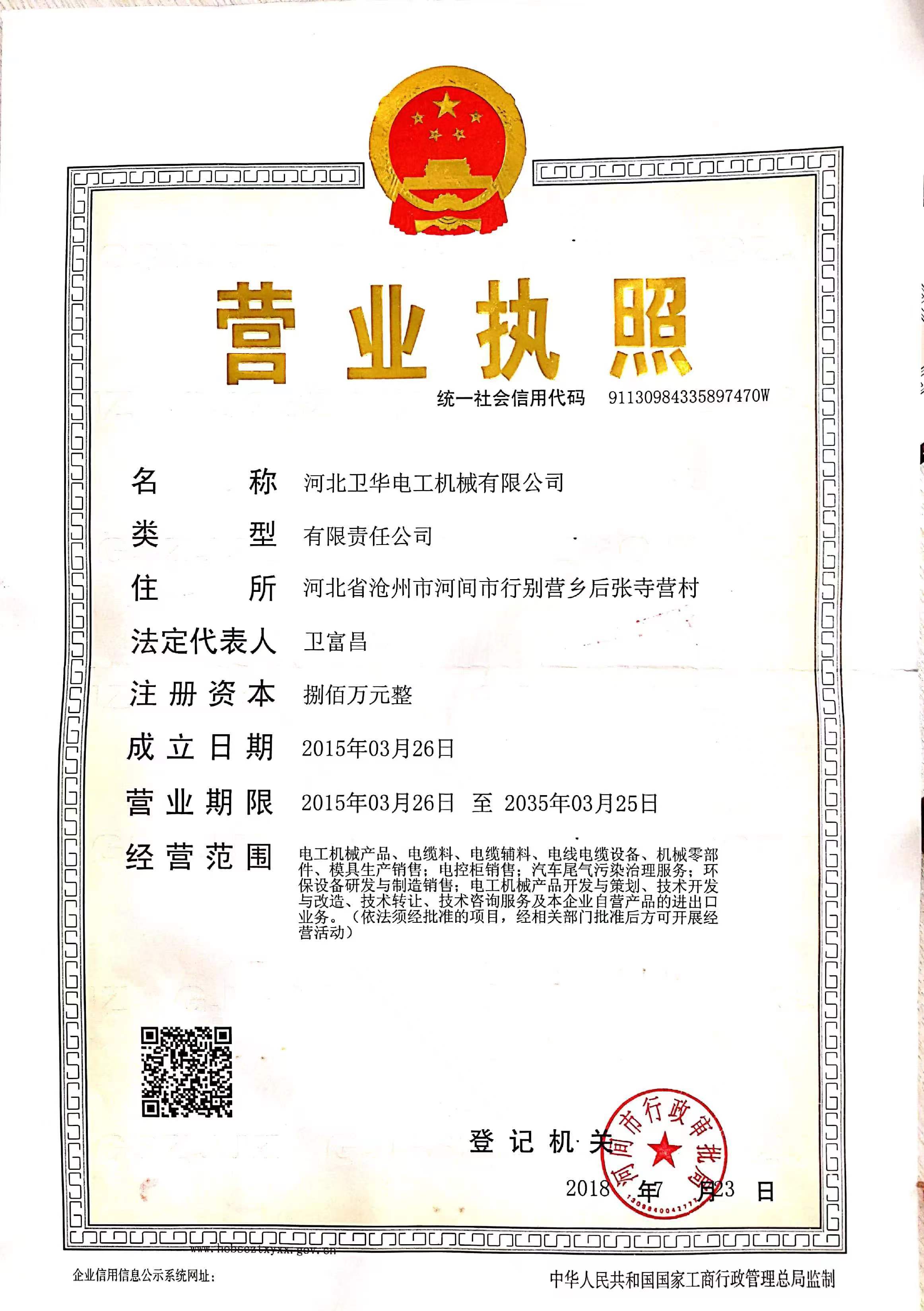
Weihua Electrical Machinery is a professional manufacturer of electrical machinery products integrating design, production, sales and service.




Plastic Extruder vs. Traditional Methods: Which is Better for Wire Production?
2026-02-17 09:50

Plastic Extruder vs. Traditional Methods: Which is Better for Wire Production?
Table of Contents
- Introduction to Wire Production Methods
- Understanding Plastic Extrusion
- Traditional Wire Production Methods
- Advantages of Plastic Extrusion in Wire Production
- Disadvantages of Plastic Extrusion
- Advantages of Traditional Wire Production Methods
- Disadvantages of Traditional Methods
- Cost Analysis: Plastic Extruder vs. Traditional Methods
- Environmental Impact of Wire Production Methods
- The Future of Wire Production: Trends and Innovations
- Conclusion
- FAQs
Introduction to Wire Production Methods
Wire production serves as a fundamental aspect of the electrical and electronics industries. As technology advances, manufacturers find themselves at a crossroads: choosing between **plastic extrusion** and **traditional wire production methods**. Each technique presents its pros and cons, and understanding these can be pivotal for businesses looking to optimize production, reduce costs, and improve product quality. In this article, we will delve deep into both methods, comparing their efficiencies, costs, environmental impacts, and future trends.
Understanding Plastic Extrusion
Plastic extrusion is a manufacturing process where plastic materials are melted and formed into a continuous profile. The process involves feeding plastic granules into a heated barrel, where they are melted and then forced through a die to create a specific shape. This technique is widely used for producing a variety of products, including wires and cables.
Types of Plastic Extruders
There are several types of plastic extruders, including:
1. **Single Screw Extruder**: This is the most common type, where a single screw conveys the plastic through the heated barrel.
2. **Twin Screw Extruder**: This type features two screws that can mix materials more effectively, making it suitable for producing complex wire designs.
3. **Co-Extrusion**: This involves using multiple extruders to combine different materials into a single product, allowing for greater customization.
Traditional Wire Production Methods
Traditional wire production methods typically include processes like **drawing**, **stranding**, and **insulation**. Each of these methods uses various techniques that may involve mechanical manipulation or chemical reactions to shape and insulate wires.
Drawing Process
In the **drawing process**, raw metal rods are pulled through a series of dies to reduce their diameter and increase their length. This method can produce high-strength wires, but it may also lead to material wastage.
Stranding Process
**Stranding** takes multiple drawn wires and twists them together to form a composite wire. This enhances flexibility and strength, making it suitable for various applications in the electrical industry.
Insulation Methods
Traditional insulation methods often rely on rubber or other materials that are applied directly to the wire's surface through dip-coating or extruding.
Advantages of Plastic Extrusion in Wire Production
The choice of plastic extrusion over traditional methods offers several advantages:
1. **Efficiency**: Plastic extrusion allows for high-speed production, enabling manufacturers to meet large-scale demands effectively.
2. **Customization**: The versatility of plastic extruders means they can easily adapt to produce various wire types and sizes.
3. **Material Savings**: Extrusion minimizes material waste as it allows for precise material use.
4. **Enhanced Properties**: The ability to co-extrude different materials can lead to wires with advanced properties, such as increased resistance to environmental factors.
Disadvantages of Plastic Extrusion
While plastic extrusion has its advantages, there are also some drawbacks:
1. **Initial Investment**: The cost of setting up a plastic extrusion system can be high.
2. **Maintenance Costs**: Regular maintenance of the extruding machines is crucial and can add to operational expenses.
3. **Material Limitations**: Not all materials can be extruded effectively, which may limit applications.
Advantages of Traditional Wire Production Methods
Traditional methods also have unique strengths:
1. **Established Processes**: These methods are well-understood and have been optimized over decades, ensuring reliability.
2. **Material Variety**: Traditional methods can accommodate a range of metals and insulators that may not be suitable for extrusion.
3. **High Strength**: Processes like drawing can produce very strong wires, particularly for industrial applications.
Disadvantages of Traditional Methods
However, there are limitations to traditional wire production methods:
1. **Lower Efficiency**: Traditional methods often require more time and labor, which can lead to higher production costs.
2. **Increased Waste**: The drawing process can lead to significant material waste.
3. **Less Customization**: Altering designs or specifications can be more complex and time-consuming than in plastic extrusion.
Cost Analysis: Plastic Extruder vs. Traditional Methods
When considering production methods, cost is a significant factor. **Plastic extrusion** often requires a higher upfront investment but can lead to lower overall costs due to reduced waste and increased efficiency. Conversely, while **traditional methods** may have lower initial costs, their inefficiencies and waste can contribute to higher long-term expenses.
Operational Costs
Operational costs for plastic extrusion may vary based on machine upkeep, energy consumption, and workforce needs. In contrast, traditional methods may incur costs related to labor and material waste that offset their initial savings.
Environmental Impact of Wire Production Methods
As sustainability becomes an important consideration in manufacturing, evaluating the environmental impacts of each method is crucial.
1. **Plastic Extrusion**: The process can be energy-intensive and relies on fossil fuels, which raises concerns about environmental sustainability. However, advancements in technology are aimed at reducing energy consumption and promoting recycling of materials used in extrusion.
2. **Traditional Methods**: These processes often lead to greater material waste, which can be detrimental to the environment. Additionally, using materials that are not easily recyclable further compounds their environmental impact.
The Future of Wire Production: Trends and Innovations
The landscape of wire production is likely to evolve significantly in the coming years. With the rise of **smart manufacturing** and **Industry 4.0**, both plastic extrusion and traditional methods are undergoing enhancements through automation and AI-driven processes.
1. **Smart Extrusion Technologies**: Innovations in plastic extrusion could lead to greater automation, reducing labor costs and increasing precision.
2. **Sustainable Practices**: Both methods are likely to see a shift towards more sustainable practices, including the use of recycled materials and energy-efficient processes.
Conclusion
Choosing between plastic extrusion and traditional wire production methods depends on various factors, including efficiency requirements, cost considerations, environmental impact, and specific product needs. While plastic extrusion offers modern advantages like efficiency and customization, traditional methods maintain their value through established reliability and strength. As technology progresses, staying informed about the latest trends can help businesses make the most effective choice for their manufacturing needs.
FAQs
1. What is the main difference between plastic extrusion and traditional wire production methods?
The primary difference lies in the processes used; plastic extrusion involves melting plastic and forming it into wires, while traditional methods rely on mechanical processes like drawing and stranding.
2. Which method is more cost-effective for large-scale production?
Plastic extrusion is generally more cost-effective for large-scale production due to its efficiency and lower material waste.
3. Can plastic extruded wires be used in high-temperature applications?
Yes, certain types of plastics used in extrusion can withstand high temperatures, but it's essential to choose the right material for specific applications.
4. How does the environmental impact of plastic extrusion compare to traditional methods?
Plastic extrusion can be energy-intensive, but advancements are being made to improve sustainability. Traditional methods often create more waste, which can be environmentally harmful.
5. What are the future trends in wire production methods?
Future trends include increased automation, the use of recycled materials, and advancements in smart manufacturing technologies that will enhance both plastic extrusion and traditional methods.
Plastic Extruder vs. Traditional Methods: Which is Better for Wire Production?
recommend reading
Key Features to Look for in a Cold Feed Rubber Extruder for Electrical Wiring
Key Features to Look for in a Cold Feed Rubber Extruder for Electrical Wiring Understanding Cold Feed Rubber Extruders Cold feed rubber extruders play a crucial role in the manufacturing of electrical wiring. These machines process raw rubber materials into various forms, ensuring they meet specific standards for electrical applications. Understanding the key features of cold feed rubber extruders
Understanding Rubber Extruders: Key Insights for the Electrical Industry
In the electrical and cable industry, the rubber extruder plays a pivotal role in the manufacturing process, particularly when it comes to producing insulation and jacketing for wires and cables. A rubber extruder is a machine that shapes rubber materials into specific profiles or forms by forcing them through a die. Understanding the fundamentals of rubber extruders can significantly enhance oper
The Essential Guide to Cable Types in Production Lines
The Essential Guide to Cable Types in Production Lines Table of Contents Introduction to Cable Types in Production Lines Understanding Different Types of Cables Single-Core vs. Multi-Core Cables: Which Is Right for You? Types of Cables Commonly Used in Production Lines Power Cables Control Cables Data Cables Specialty Cables
The Essential Role of Plastic Extruders in Cable Manufacturing
Plastic extruders play a pivotal role in the modern manufacturing of electrical wires and cables, particularly in the creation of insulation and protective coatings that ensure durability and performance. These machines are designed to melt plastic pellets and then force the molten material through a die to create continuous shapes, making them indispensable in the production of various cable comp
Comparative Analysis: Different Types of Wire and Cable Extrusion Production Lines
Comparative Analysis: Different Types of Wire and Cable Extrusion Production Lines Introduction to Wire and Cable Extrusion Extrusion is a critical process in the production of wires and cables. This procedure involves forcing molten material through a die to create a continuous product with a fixed cross-sectional profile. In the context of the electrical industry, wires and cables are pivotal fo
Understanding Cold Feed Rubber Extruders: A Key Component in Electrical Wire and Cable Manufacturing
In the realm of electrical wire and cable manufacturing, the cold feed rubber extruder stands out as a pivotal technology. This specialized piece of equipment is designed to process rubber compounds at ambient temperatures, offering several advantages over traditional extrusion methods. Understanding the functionality and benefits of cold feed rubber extruders can help manufacturers optimize their