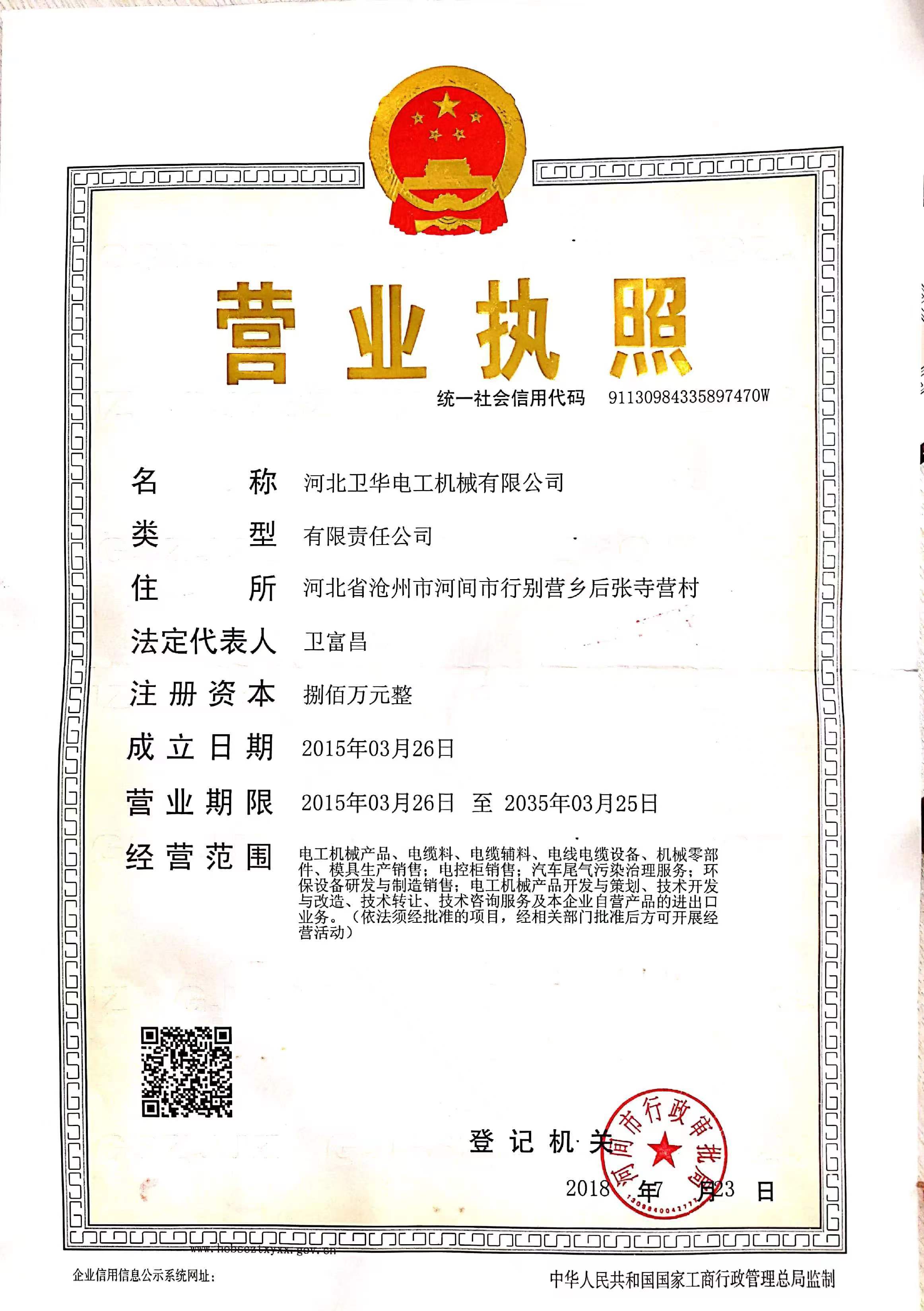
Weihua Electrical Machinery is a professional manufacturer of electrical machinery products integrating design, production, sales and service.




Optimizing Production: Best Practices for Wire and Cable Extrusion Lines
2025-10-28 09:50

Optimizing Production: Best Practices for Wire and Cable Extrusion Lines
In today’s competitive landscape, maximizing production efficiency in wire and cable extrusion lines is essential for companies looking to maintain their edge. The extrusion process plays a significant role in shaping the quality and functionality of wires and cables, making the optimization of this process paramount. In this article, we will delve into the best practices for optimizing production in wire and cable extrusion, offering in-depth insights and strategies to enhance your operations.
Table of Contents
- Understanding the Extrusion Process
- Importance of Material Selection
- Optimizing Extrusion Parameters
- Implementing Quality Control Methods
- Effective Maintenance Practices for Extrusion Lines
- Staff Training and Development
- Adopting Advanced Technology in Extrusion
- Measuring Success and Performance Metrics
- FAQs
Understanding the Extrusion Process
The extrusion process involves pushing heated materials through a die to form continuous profiles like wires and cables. This technique is widely used in the electrical industry due to its efficiency in producing uniform products. A deeper understanding of this process allows manufacturers to identify where improvements can be made.
The Basic Steps of Wire and Cable Extrusion
Wire and cable extrusion consists of several crucial steps:
- Material Preparation: Raw materials are prepared and fed into the extruder.
- Melting: Materials are heated to their melting point.
- Extrusion: The molten material is forced through a die, shaping it into the desired profile.
- Cooling: The extruded material is cooled to solidify.
- Final Processing: The cable may undergo additional processes like insulation or sheathing.
Importance of Material Selection
Choosing the right materials is fundamental to the success of extrusion lines. The performance, durability, and cost-effectiveness of the final product greatly depend on the properties of the materials used.
Types of Materials Used in Wire and Cable Extrusion
Common materials for wire and cable production include:
- Polyvinyl Chloride (PVC): Known for its versatility and durability.
- Polyethylene (PE): Offers excellent insulation properties and is lightweight.
- Fluoropolymers: Provide superior chemical resistance and thermal stability.
- Thermoplastic Elastomers (TPE): Combine the properties of rubber and plastic, enhancing flexibility.
Each material has unique properties that can affect the extrusion process and the quality of the final product. Therefore, it’s essential to evaluate your requirements before making a selection.
Optimizing Extrusion Parameters
Adjusting extrusion parameters can lead to significant improvements in production quality and efficiency. Parameters such as temperature, pressure, and speed need to be carefully monitored and optimized.
Key Extrusion Parameters to Consider
- Temperature Control: Maintaining the correct temperature is vital for achieving optimal flow and ensuring the material melts evenly.
- Pressure Settings: The pressure exerted during extrusion impacts the material's flow rate and, consequently, the final product's quality.
- Screw Speed: Adjusting the speed of the extrusion screw can enhance production rates, but it must be balanced with quality considerations.
Regular monitoring and adjustment of these parameters can prevent defects and enhance the overall efficiency of the production line.
Implementing Quality Control Methods
Quality control is a critical aspect of wire and cable extrusion that ensures products meet industry standards and customer expectations.
Techniques for Effective Quality Control
- In-Process Testing: Regular testing during production helps identify issues early, preventing waste and rework.
- Final Product Inspection: Conducting thorough inspections of the finished products ensures they meet specifications.
- Batch Testing: Quality checks on random samples from each batch provide insights into overall production quality.
Establishing a robust quality control system is essential for maintaining high standards and ensuring customer satisfaction.
Effective Maintenance Practices for Extrusion Lines
Regular maintenance of extrusion lines prevents breakdowns and prolongs the equipment's lifespan. Implementing a proactive maintenance schedule is key.
Best Maintenance Strategies
- Routine Inspections: Regular checks for wear and tear can prevent unexpected failures.
- Lubrication: Proper lubrication of moving parts minimizes friction and ensures smooth operation.
- Calibration: Regular calibration of machinery ensures accuracy in production processes.
Creating a comprehensive maintenance plan is essential for optimizing production and minimizing downtime.
Staff Training and Development
The success of wire and cable extrusion lines hinges not just on technology but also on the skills of the workforce. Investing in staff training is vital for optimizing production.
Training Programs to Consider
- Technical Training: Equip staff with the technical knowledge required to operate and troubleshoot extrusion equipment.
- Safety Training: Ensuring that employees are trained in safety practices reduces the likelihood of accidents.
- Continuous Learning: Encourage ongoing education in advancements in extrusion technology and best practices.
By fostering a skilled workforce, manufacturers can improve efficiency, safety, and product quality.
Adopting Advanced Technology in Extrusion
Incorporating the latest technology can significantly enhance the production capabilities of wire and cable extrusion lines.
Technological Innovations to Explore
- Automation: Automated processes can reduce human error and increase production speed.
- Real-Time Monitoring: Implementing sensors and software for real-time monitoring of extrusion parameters enhances control over the process.
- Process Simulation: Utilizing simulation software can help manufacturers optimize processes before implementation.
Embracing technological advancements can lead to considerable improvements in efficiency and product quality.
Measuring Success and Performance Metrics
To ensure continuous improvement, it’s crucial to establish metrics that measure the success of production processes.
Key Performance Indicators (KPIs) to Track
- Production Yield: Measure the percentage of products that meet quality standards.
- Cycle Time: Track the time taken to produce a batch of products, aiming for reductions over time.
- Downtime: Monitor equipment downtime to identify areas for improvement in maintenance and operations.
Implementing these metrics will help in assessing the effectiveness of optimization efforts and highlight areas needing attention.
FAQs
1. What is extrusion in wire and cable production?
Extrusion is a manufacturing process that involves pushing heated materials through a die to form continuous shapes, such as wires and cables.
2. Why is material selection important in extrusion?
Choosing the right materials is crucial as it affects the performance, quality, and cost of the final product.
3. How can I optimize extrusion parameters?
Regular monitoring and adjustment of temperature, pressure, and screw speed are key to optimizing extrusion parameters for better efficiency.
4. What are common quality control methods in extrusion?
Common methods include in-process testing, final product inspections, and batch testing to ensure product quality meets standards.
5. How often should maintenance be performed on extrusion equipment?
It’s advisable to have a routine maintenance schedule that includes regular inspections, lubrication, and calibration to prevent breakdowns.
Conclusion
Optimizing production in wire and cable extrusion lines requires a multifaceted approach that encompasses material selection, parameter optimization, quality control, maintenance, staff training, and the adoption of advanced technologies. By implementing these best practices, manufacturers can significantly enhance production efficiency, improve product quality, and maintain a competitive advantage in the market. Continuous evaluation and adjustment of processes ensure that companies not only meet current demands but are also prepared for future challenges in the industry.
Optimizing Production: Best Practices for Wire and Cable Extrusion Lines
recommend reading
Key Features to Look for in a Cold Feed Rubber Extruder for Electrical Wiring
Key Features to Look for in a Cold Feed Rubber Extruder for Electrical Wiring Understanding Cold Feed Rubber Extruders Cold feed rubber extruders play a crucial role in the manufacturing of electrical wiring. These machines process raw rubber materials into various forms, ensuring they meet specific standards for electrical applications. Understanding the key features of cold feed rubber extruders
Understanding Rubber Extruders: Key Insights for the Electrical Industry
In the electrical and cable industry, the rubber extruder plays a pivotal role in the manufacturing process, particularly when it comes to producing insulation and jacketing for wires and cables. A rubber extruder is a machine that shapes rubber materials into specific profiles or forms by forcing them through a die. Understanding the fundamentals of rubber extruders can significantly enhance oper
The Essential Guide to Cable Types in Production Lines
The Essential Guide to Cable Types in Production Lines Table of Contents Introduction to Cable Types in Production Lines Understanding Different Types of Cables Single-Core vs. Multi-Core Cables: Which Is Right for You? Types of Cables Commonly Used in Production Lines Power Cables Control Cables Data Cables Specialty Cables
The Essential Role of Plastic Extruders in Cable Manufacturing
Plastic extruders play a pivotal role in the modern manufacturing of electrical wires and cables, particularly in the creation of insulation and protective coatings that ensure durability and performance. These machines are designed to melt plastic pellets and then force the molten material through a die to create continuous shapes, making them indispensable in the production of various cable comp
Comparative Analysis: Different Types of Wire and Cable Extrusion Production Lines
Comparative Analysis: Different Types of Wire and Cable Extrusion Production Lines Introduction to Wire and Cable Extrusion Extrusion is a critical process in the production of wires and cables. This procedure involves forcing molten material through a die to create a continuous product with a fixed cross-sectional profile. In the context of the electrical industry, wires and cables are pivotal fo
Understanding Cold Feed Rubber Extruders: A Key Component in Electrical Wire and Cable Manufacturing
In the realm of electrical wire and cable manufacturing, the cold feed rubber extruder stands out as a pivotal technology. This specialized piece of equipment is designed to process rubber compounds at ambient temperatures, offering several advantages over traditional extrusion methods. Understanding the functionality and benefits of cold feed rubber extruders can help manufacturers optimize their