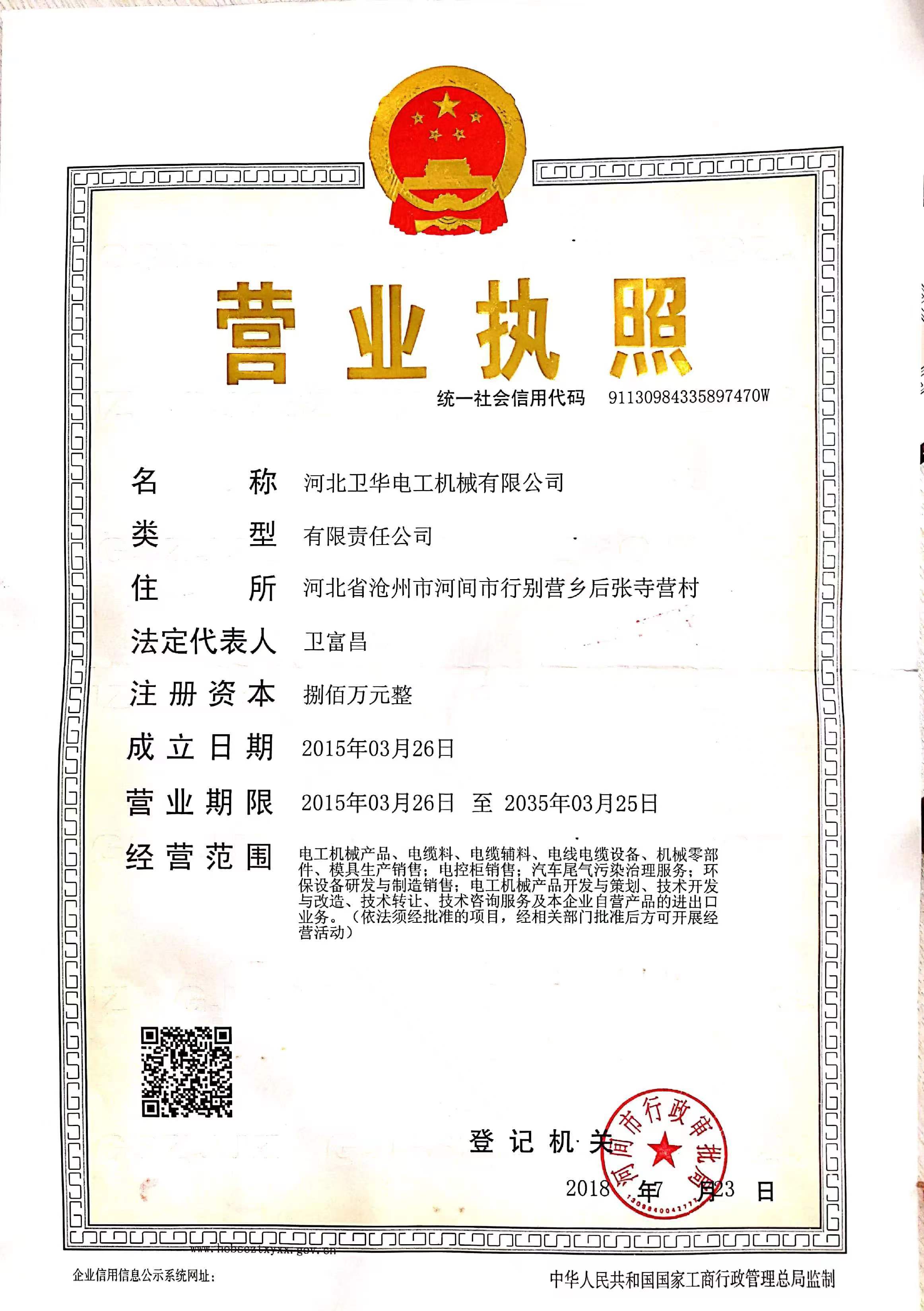
Weihua Electrical Machinery is a professional manufacturer of electrical machinery products integrating design, production, sales and service.




The Impact of Cold Feed Rubber Extrusion on Cable Performance and Durability
2025-07-02 12:40

The Impact of Cold Feed Rubber Extrusion on Cable Performance and Durability
In the evolving landscape of electrical engineering, the manufacturing process plays a crucial role in determining the performance and longevity of electrical cables. Among the numerous techniques available, **cold feed rubber extrusion** stands out for its significant impact on cable performance and durability. This article will dissect this extrusion method, detailing its advantages and its critical influence on the electrical cable industry.
Understanding Cold Feed Rubber Extrusion
Before diving into the implications of cold feed rubber extrusion, it's essential to understand what this process entails. Cold feed rubber extrusion is a manufacturing technique where rubber compounds are forced through a die at a controlled temperature, allowing for the creation of continuous shapes. This process contrasts with hot feed extrusion, where materials are heated before being shaped.
What Sets Cold Feed Rubber Extrusion Apart?
Cold feed extrusion offers several advantages over traditional methods. Firstly, **the temperature control** in this method allows for better preservation of the rubber's properties. Secondly, cold feed processes can effectively handle a wider range of rubber compounds, making it versatile for various cable applications.
Key Components of Cold Feed Rubber Extrusion
The essential components involved in the cold feed rubber extrusion process include:
- Extruder: A machine that applies mechanical force to push the rubber through a specific die.
- Die: A tool that shapes the rubber as it exits the extruder.
- Curing System: A setup for cross-linking rubber, enhancing its durability and performance.
Impact on Cable Performance
The impact of cold feed rubber extrusion on cable performance can be observed in several key areas:
1. Enhanced Mechanical Properties
Through the cold feed process, cables display improved tensile strength and elasticity. This enhancement results in cables that can withstand greater mechanical stress without breaking or deforming.
2. Improved Electrical Insulation
Cables produced via cold feed rubber extrusion possess superior electrical insulation properties. This is critical in preventing short circuits and electrical failures, especially in high-voltage applications.
3. Resistance to Environmental Factors
Cables manufactured using cold feed rubber extrusion exhibit excellent resistance to adverse environmental conditions, such as moisture, UV light, and extreme temperatures. This quality significantly extends the service life of the cables.
Durability and Long-Term Performance
Durability is a primary consideration in the manufacturing of electrical cables. Cold feed rubber extrusion plays a pivotal role in enhancing the long-term performance of these cables through various aspects:
1. Longevity of Cable Life Cycle
Cables made using this extrusion method tend to have a longer life cycle due to the enhanced properties of the rubber. This longevity reduces the frequency of maintenance and replacement, leading to cost savings over time.
2. Resistance to Aging
Rubber cables undergo aging due to exposure to environmental factors. The cold feed rubber extrusion process produces materials that resist aging, maintaining their integrity and performance over extended periods.
3. Consistency in Quality
The precision of cold feed rubber extrusion ensures that every cable produced meets strict quality standards. This consistency reduces the likelihood of defects that could compromise durability.
Applications of Cold Feed Rubber Extrusion in the Electrical Industry
The applications of cold feed rubber extrusion are vast and varied within the electrical industry:
1. Power Cables
Power cables, essential for transmitting electricity, benefit significantly from the enhanced properties of cold feed rubber extrusion. The improved insulation and durability ensure safe and efficient power distribution.
2. Communication Cables
In the realm of telecommunications, cold feed rubber-extruded cables provide reliable performance, ensuring minimal signal loss and maximum durability for data transmission.
3. Specialty Cables
Specialty cables, including those used in automotive and aerospace applications, leverage the advantages of cold feed rubber extrusion to meet industry-specific requirements for durability and reliability.
Future Trends in Cold Feed Rubber Extrusion Technology
As technology progresses, we anticipate several trends shaping the future of cold feed rubber extrusion:
1. Automation in Manufacturing
The integration of automation in the cold feed rubber extrusion process is expected to enhance efficiency and consistency while reducing production costs.
2. Sustainable Materials
With increasing emphasis on sustainability, the development of eco-friendly rubber compounds compatible with cold feed extrusion is on the rise. This shift will help reduce the environmental impact of cable production.
3. Smart Cable Solutions
As the Internet of Things (IoT) continues to expand, the demand for smart cables that incorporate sensors and data transmission capabilities is increasing. Cold feed rubber extrusion may play a vital role in producing these advanced cable solutions.
Frequently Asked Questions (FAQs)
1. What is cold feed rubber extrusion?
Cold feed rubber extrusion is a manufacturing process that involves shaping rubber compounds by forcing them through a die at controlled temperatures, preserving the material's properties.
2. How does cold feed rubber extrusion improve cable performance?
This process enhances the mechanical properties, electrical insulation, and environmental resistance of cables, leading to better overall performance.
3. What are the primary applications of cables produced by cold feed rubber extrusion?
Cables used in power distribution, telecommunications, and specialty applications such as automotive and aerospace benefit from this technology.
4. How does cold feed extrusion affect the durability of cables?
It results in cables with a longer life cycle, resistance to aging, and consistent quality, which are crucial for durability.
5. What trends can we expect in cold feed rubber extrusion technology?
Future trends include automation in manufacturing, the use of sustainable materials, and the development of smart cable solutions for advanced applications.
Conclusion
Cold feed rubber extrusion represents a significant advancement in the manufacturing of electrical cables, contributing to both performance and durability. By understanding and leveraging this technology, manufacturers can produce cables that not only meet but exceed the demands of modern electrical applications. As we move forward, embracing innovations within this field will be crucial for staying competitive and ensuring the reliability of electrical infrastructure. Investing in advanced manufacturing processes like cold feed rubber extrusion is not just a choice; it is a necessity for the future of the electrical industry.
The Impact of Cold Feed Rubber Extrusion on Cable Performance and Durability
recommend reading
Key Features to Look for in a Cold Feed Rubber Extruder for Electrical Wiring
Key Features to Look for in a Cold Feed Rubber Extruder for Electrical Wiring Understanding Cold Feed Rubber Extruders Cold feed rubber extruders play a crucial role in the manufacturing of electrical wiring. These machines process raw rubber materials into various forms, ensuring they meet specific standards for electrical applications. Understanding the key features of cold feed rubber extruders
Understanding Rubber Extruders: Key Insights for the Electrical Industry
In the electrical and cable industry, the rubber extruder plays a pivotal role in the manufacturing process, particularly when it comes to producing insulation and jacketing for wires and cables. A rubber extruder is a machine that shapes rubber materials into specific profiles or forms by forcing them through a die. Understanding the fundamentals of rubber extruders can significantly enhance oper
The Essential Guide to Cable Types in Production Lines
The Essential Guide to Cable Types in Production Lines Table of Contents Introduction to Cable Types in Production Lines Understanding Different Types of Cables Single-Core vs. Multi-Core Cables: Which Is Right for You? Types of Cables Commonly Used in Production Lines Power Cables Control Cables Data Cables Specialty Cables
The Essential Role of Plastic Extruders in Cable Manufacturing
Plastic extruders play a pivotal role in the modern manufacturing of electrical wires and cables, particularly in the creation of insulation and protective coatings that ensure durability and performance. These machines are designed to melt plastic pellets and then force the molten material through a die to create continuous shapes, making them indispensable in the production of various cable comp
Comparative Analysis: Different Types of Wire and Cable Extrusion Production Lines
Comparative Analysis: Different Types of Wire and Cable Extrusion Production Lines Introduction to Wire and Cable Extrusion Extrusion is a critical process in the production of wires and cables. This procedure involves forcing molten material through a die to create a continuous product with a fixed cross-sectional profile. In the context of the electrical industry, wires and cables are pivotal fo
Understanding Cold Feed Rubber Extruders: A Key Component in Electrical Wire and Cable Manufacturing
In the realm of electrical wire and cable manufacturing, the cold feed rubber extruder stands out as a pivotal technology. This specialized piece of equipment is designed to process rubber compounds at ambient temperatures, offering several advantages over traditional extrusion methods. Understanding the functionality and benefits of cold feed rubber extruders can help manufacturers optimize their