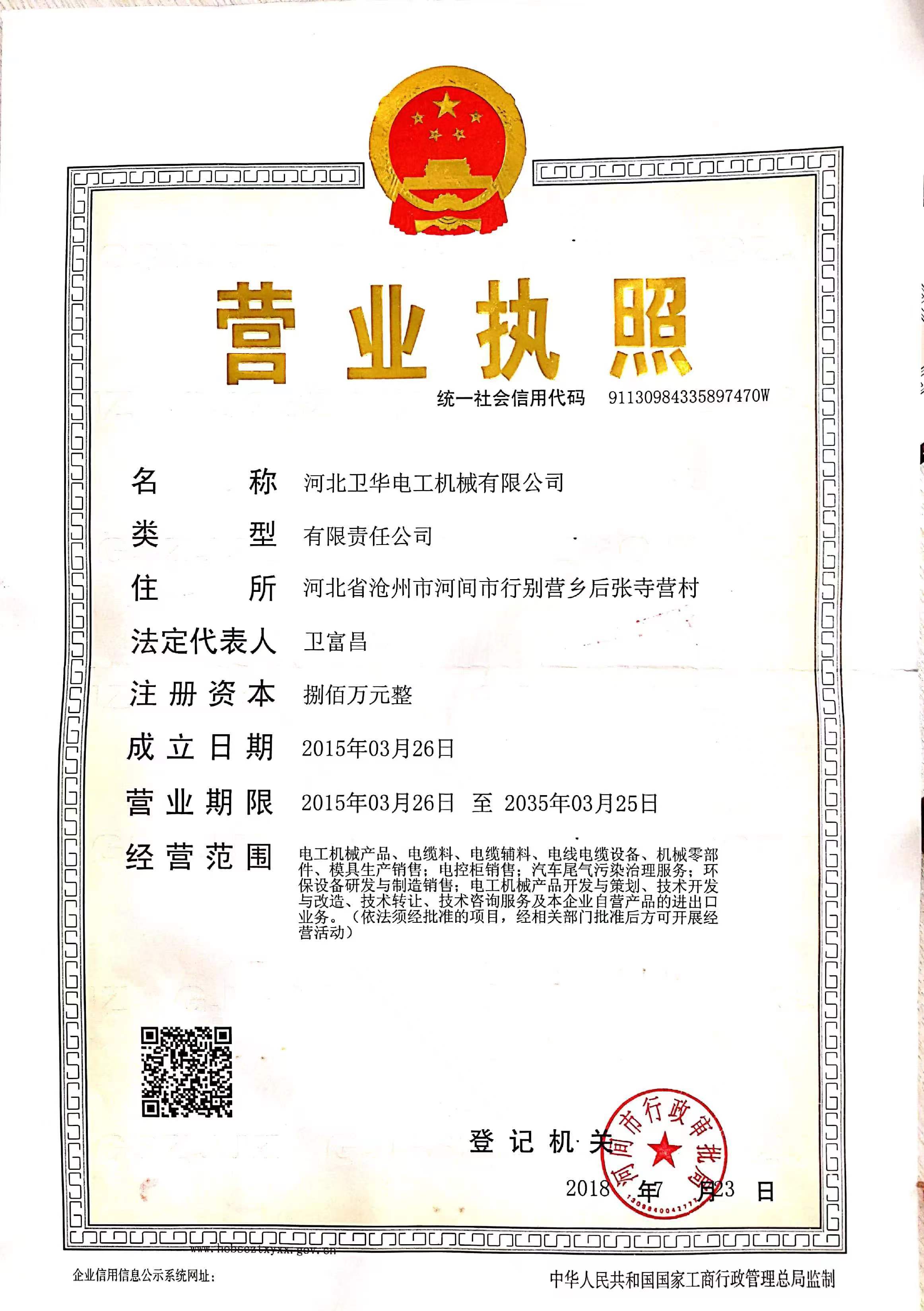
Weihua Electrical Machinery is a professional manufacturer of electrical machinery products integrating design, production, sales and service.




The Future of Electrical Manufacturing: Wire and Cable Extrusion Production Lines
2025-06-18 13:20

The Future of Electrical Manufacturing: Wire and Cable Extrusion Production Lines
Table of Contents
- Introduction to Wire and Cable Extrusion
- The Importance of Wire and Cable in Modern Applications
- Technological Advancements in Wire and Cable Extrusion
- Sustainability in Electrical Manufacturing
- Improving Efficiency in Production Lines
- Quality Control in Wire and Cable Production
- Future Trends in Wire and Cable Manufacturing
- Conclusion
- Frequently Asked Questions
Introduction to Wire and Cable Extrusion
Wire and cable extrusion is a critical process in the electrical manufacturing industry, playing a pivotal role in the production of high-quality electrical conductors. This process involves shaping and forming materials such as plastic or rubber around conductive metals, ensuring that the final product meets stringent standards for safety and performance. As we progress into a technologically driven future, the demand for sophisticated wire and cable extrusion production lines continues to rise.
The evolution of these production lines heralds a new era, characterized by increased efficiency, sustainability, and automation. Understanding the nuances of this transformation is essential for manufacturers seeking to stay competitive in an ever-evolving market.
The Importance of Wire and Cable in Modern Applications
The significance of wire and cable in contemporary society cannot be overstated. From powering our homes and businesses to enabling communication across vast distances, these components are integral to numerous applications, including:
Residential and Commercial Electrical Systems
In residential and commercial buildings, electrical wiring is essential for lighting, heating, and powering appliances. The reliability of these systems directly impacts the safety and comfort of occupants.
Telecommunications
Wire and cable are vital in telecommunications, facilitating data transmission for internet and telephone services. High-performance cables are necessary to support increasing bandwidth demands and enhance connectivity.
Industrial Automation
In the realm of industrial automation, specialized cables are employed to connect machinery, sensors, and control systems. These cables must endure harsh environments and deliver consistent performance.
Renewable Energy Solutions
As the world shifts toward renewable energy sources, wire and cable play a crucial role in solar and wind energy systems, connecting panels and turbines to the grid.
Technological Advancements in Wire and Cable Extrusion
The landscape of wire and cable extrusion is rapidly evolving due to technological innovations. These advancements not only enhance production efficiency but also improve product quality and reduce costs.
Automation and Robotics
Automation has become a cornerstone in modern extrusion lines. Robotic systems streamline the production process, reducing human error and increasing throughput. Automated quality control systems further ensure that every product meets rigorous specifications.
Advanced Materials
The development of new materials, such as thermoplastic elastomers (TPE) and flame-retardant compounds, has revolutionized wire and cable production. These materials offer superior performance characteristics, such as flexibility, durability, and resistance to environmental factors.
Smart Manufacturing Technologies
The integration of IoT (Internet of Things) technologies into production lines allows for real-time monitoring and data analysis. Manufacturers can track machine performance, predict maintenance needs, and optimize production schedules, leading to enhanced efficiency.
Sustainability in Electrical Manufacturing
Sustainability is becoming increasingly important in the electrical manufacturing sector. As environmental concerns rise, manufacturers are seeking ways to reduce their carbon footprint and promote eco-friendly practices.
Recycling and Reusability
Implementing recycling programs for scrap materials and old cables is a significant step towards sustainability. Manufacturers can reclaim valuable materials, reducing waste and minimizing the demand for new resources.
Energy Efficiency
Investing in energy-efficient machinery and processes not only lowers operational costs but also supports sustainability goals. Energy-efficient production lines consume less power and emit fewer greenhouse gases.
Biodegradable Materials
Research into biodegradable materials for insulation and sheathing is gaining traction. These materials could significantly reduce the environmental impact of wire and cable disposal, aligning with global sustainability efforts.
Improving Efficiency in Production Lines
Efficiency is paramount in wire and cable extrusion production lines. Manufacturers are employing several strategies to enhance productivity and minimize downtime.
Streamlined Processes
Optimizing each step of the extrusion process, from material preparation to final inspection, is essential. Lean manufacturing techniques can help identify bottlenecks and eliminate waste, resulting in smoother operations.
Employee Training and Development
Investing in workforce training ensures that employees are skilled in operating advanced machinery and following best practices. A well-trained staff is crucial for maintaining efficiency and quality in production.
Predictive Maintenance
Utilizing predictive maintenance techniques, such as vibration analysis and thermal imaging, allows manufacturers to anticipate equipment failures before they occur. This proactive approach minimizes unexpected downtimes and extends the lifespan of machinery.
Quality Control in Wire and Cable Production
Maintaining high-quality standards is essential in wire and cable manufacturing. Effective quality control measures ensure that products meet industry specifications and customer expectations.
Testing and Inspection Methods
Robust testing procedures, including electrical testing and mechanical stress testing, are critical for verifying the performance of wire and cable products. Comprehensive inspection at various production stages helps detect and address issues early.
Certification Standards
Adhering to international certification standards, such as ISO and UL, affirms a manufacturer's commitment to quality. These certifications provide customers with confidence in the safety and reliability of the products.
Feedback Loops
Establishing feedback loops with customers and end-users allows manufacturers to gather insights on product performance in real-world applications. This information is invaluable for continuous improvement efforts.
Future Trends in Wire and Cable Manufacturing
As we look to the future, several trends are poised to shape the wire and cable manufacturing industry significantly.
Digital Transformation
The digital transformation of manufacturing processes will continue to accelerate. Cloud computing, big data analytics, and AI will enable manufacturers to make data-driven decisions, enhancing productivity and responsiveness.
Customization and Flexibility
The growing demand for customized solutions will push manufacturers to develop flexible production lines capable of adapting to varying specifications without significant downtime.
Collaborative Robotics
The rise of collaborative robotics (cobots) will enhance the efficiency of production lines. Cobots can work alongside human operators, improving safety and productivity while taking on repetitive tasks.
Global Supply Chain Optimization
As globalization continues to influence manufacturing, optimizing supply chains will be crucial. Manufacturers will need to focus on building resilient supply chains that can withstand disruptions and ensure timely delivery of materials.
Conclusion
The future of electrical manufacturing, particularly in wire and cable extrusion production lines, is bright and full of potential. Embracing technological advancements, prioritizing sustainability, and maintaining high-quality standards will be key to thriving in this competitive landscape. As manufacturers adapt to these changes, they will not only enhance their operational efficiency but also contribute positively to the environment and society as a whole.
Frequently Asked Questions
1. What is wire and cable extrusion?
Wire and cable extrusion is a manufacturing process that involves shaping and forming materials around conductive metals to create insulated electrical conductors.
2. Why is sustainability essential in electrical manufacturing?
Sustainability is vital as it reduces environmental impact, conserves resources, and aligns with global initiatives to combat climate change.
3. How do technological advancements improve wire and cable production?
Technological advancements, such as automation and smart manufacturing, enhance efficiency, reduce costs, and improve product quality.
4. What role does quality control play in wire and cable manufacturing?
Quality control ensures that products meet safety and performance standards, minimizing the risk of failures and ensuring customer satisfaction.
5. What trends are shaping the future of wire and cable manufacturing?
Key trends include digital transformation, customization, collaborative robotics, and global supply chain optimization, all of which will redefine the manufacturing landscape.
The Future of Electrical Manufacturing: Wire and Cable Extrusion Production Lines
recommend reading
Key Features to Look for in a Cold Feed Rubber Extruder for Electrical Wiring
Key Features to Look for in a Cold Feed Rubber Extruder for Electrical Wiring Understanding Cold Feed Rubber Extruders Cold feed rubber extruders play a crucial role in the manufacturing of electrical wiring. These machines process raw rubber materials into various forms, ensuring they meet specific standards for electrical applications. Understanding the key features of cold feed rubber extruders
Understanding Rubber Extruders: Key Insights for the Electrical Industry
In the electrical and cable industry, the rubber extruder plays a pivotal role in the manufacturing process, particularly when it comes to producing insulation and jacketing for wires and cables. A rubber extruder is a machine that shapes rubber materials into specific profiles or forms by forcing them through a die. Understanding the fundamentals of rubber extruders can significantly enhance oper
The Essential Guide to Cable Types in Production Lines
The Essential Guide to Cable Types in Production Lines Table of Contents Introduction to Cable Types in Production Lines Understanding Different Types of Cables Single-Core vs. Multi-Core Cables: Which Is Right for You? Types of Cables Commonly Used in Production Lines Power Cables Control Cables Data Cables Specialty Cables
The Essential Role of Plastic Extruders in Cable Manufacturing
Plastic extruders play a pivotal role in the modern manufacturing of electrical wires and cables, particularly in the creation of insulation and protective coatings that ensure durability and performance. These machines are designed to melt plastic pellets and then force the molten material through a die to create continuous shapes, making them indispensable in the production of various cable comp
Comparative Analysis: Different Types of Wire and Cable Extrusion Production Lines
Comparative Analysis: Different Types of Wire and Cable Extrusion Production Lines Introduction to Wire and Cable Extrusion Extrusion is a critical process in the production of wires and cables. This procedure involves forcing molten material through a die to create a continuous product with a fixed cross-sectional profile. In the context of the electrical industry, wires and cables are pivotal fo
Understanding Cold Feed Rubber Extruders: A Key Component in Electrical Wire and Cable Manufacturing
In the realm of electrical wire and cable manufacturing, the cold feed rubber extruder stands out as a pivotal technology. This specialized piece of equipment is designed to process rubber compounds at ambient temperatures, offering several advantages over traditional extrusion methods. Understanding the functionality and benefits of cold feed rubber extruders can help manufacturers optimize their