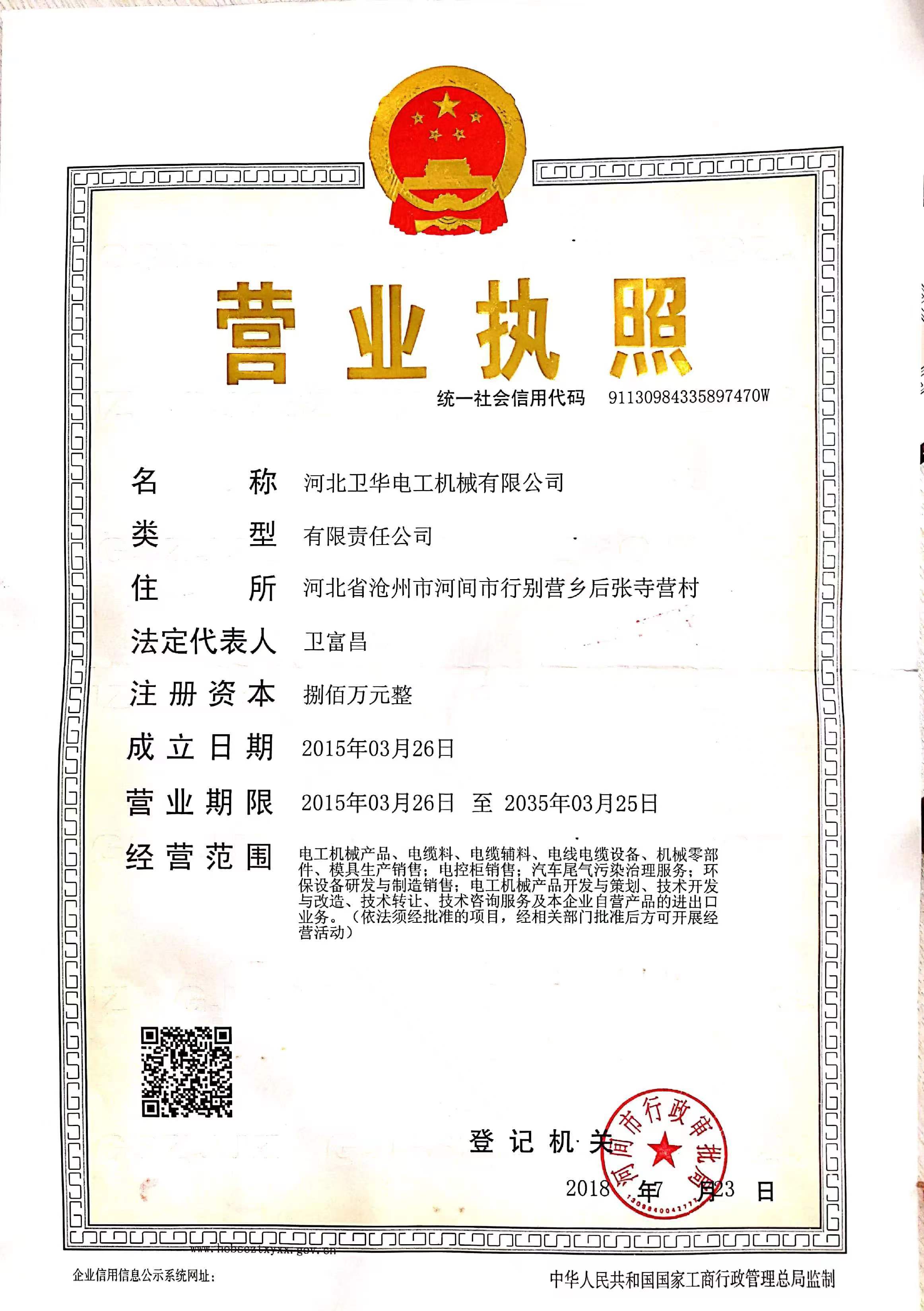
Weihua Electrical Machinery is a professional manufacturer of electrical machinery products integrating design, production, sales and service.




Plastic Extruder: A Key Component in Modern Electrical Wiring Systems
2025-06-20 14:40

Plastic Extruder: A Key Component in Modern Electrical Wiring Systems
Table of Contents
- Introduction to Plastic Extrusion in Electrical Wiring
- Understanding Plastic Extruders: What They Are and How They Work
- The Importance of Plastic Extrusion in Electric Cables
- Types of Plastics Used in Electrical Cable Extrusion
- The Plastic Extrusion Process Explained
- Advantages of Plastic Extrusion in Electrical Wiring Systems
- Applications of Plastic Extruders in Wiring Systems
- The Future of Plastic Extrusion Technology in the Electrical Industry
- Frequently Asked Questions
- Conclusion
Introduction to Plastic Extrusion in Electrical Wiring
In the rapidly evolving landscape of electrical engineering, the importance of efficiency and safety cannot be overstated. **Plastic extruders** have emerged as pivotal elements in the creation of modern electrical wiring systems. These machines allow for the precise shaping and manipulation of plastic materials, leading to the production of high-quality cables that meet stringent industry standards. In this detailed exploration, we will unveil the significance of plastic extruders in electrical wiring, shedding light on their functionality, advantages, and future potential.
Understanding Plastic Extruders: What They Are and How They Work
Plastic extruders are specialized machines designed for processing thermoplastic materials into predetermined shapes. The extrusion process involves feeding raw plastic pellets into a heated barrel where they are melted and forced through a die to create continuous profiles, such as wires and cables.
The Components of a Plastic Extruder
The primary components of a plastic extruder include:
- **Hopper**: Where raw plastic materials are loaded.
- **Feed Screw**: Moves the plastic pellets toward the heated section.
- **Heated Barrel**: Melts the plastic as it is transported.
- **Die**: Shapes the melted plastic into the desired form.
- **Cooling System**: Solidifies the extruded material.
How Plastic Extruders Operate
The operation of a plastic extruder involves several stages. Initially, the raw plastic is fed into the hopper. The feed screw then transports the plastic through the heated barrel, where it undergoes melting. The molten plastic is subsequently forced through a die, where it takes shape. Finally, the extruded product is cooled and cut to the desired length, ready for further processing or direct use in electrical wiring systems.
The Importance of Plastic Extrusion in Electric Cables
Plastic extrusion plays a critical role in the manufacturing of electrical cables. It allows for the creation of insulation and sheathing materials that are essential for safeguarding the wire conductors within. This process enables manufacturers to produce cables that are not only durable but also compliant with safety regulations.
Enhancing Electrical Performance
Through plastic extrusion, electrical cables can be designed to reduce interference and enhance conductivity. The choice of materials and the precision in extrusion techniques contribute to improved electrical performance, ultimately leading to greater efficiency and reliability in electrical systems.
Meeting Industry Standards
Manufacturers are required to adhere to strict industry standards for electrical wiring. Plastic extrusion enables the production of cables that meet these guidelines, ensuring safety and minimizing the risk of electrical failures. Compliance with standards, such as those set by the Underwriters Laboratories (UL) and the International Electrotechnical Commission (IEC), is crucial for obtaining certification and consumer trust.
Types of Plastics Used in Electrical Cable Extrusion
The choice of plastic material is paramount in the extrusion process. Different types of plastics offer unique properties that cater to various applications within electrical wiring systems.
Polyvinyl Chloride (PVC)
PVC is one of the most widely used materials in electrical cable insulation. Its excellent resistance to moisture and chemicals makes it ideal for various environments.
Polyethylene (PE)
Polyethylene is known for its flexibility and durability. It is commonly used in the production of sheathed cables, providing robust protection against environmental factors.
Thermoplastic Elastomers (TPE)
TPEs combine the properties of rubber and plastic, making them suitable for applications requiring resilience and flexibility. They are often used in specialty cables that undergo frequent movement.
The Plastic Extrusion Process Explained
Understanding the plastic extrusion process is essential for appreciating its role in electrical wiring systems. The entire process can be broken down into several key steps.
Step 1: Material Preparation
The first step involves selecting the appropriate plastic material and preparing it for extrusion. This may include drying the plastic to remove any moisture that could affect the final product.
Step 2: Feeding and Melting
The prepared pellets are fed into the hopper, where the feed screw transports them into the heated barrel. As the pellets move through the barrel, they are subjected to heat, causing them to melt into a viscous material.
Step 3: Shaping and Cooling
Once the plastic is melted, it is forced through a die to create the desired shape. After exiting the die, the extruded material is cooled using air or water to solidify it quickly.
Step 4: Cutting and Finishing
After cooling, the extruded product is cut to length and may undergo additional finishing processes, such as surface treatment or printing, to meet specific application requirements.
Advantages of Plastic Extrusion in Electrical Wiring Systems
Plastic extrusion offers numerous advantages that contribute to the efficiency and effectiveness of electrical wiring systems.
Cost-Effectiveness
The extrusion process is highly efficient, allowing manufacturers to produce large quantities of material at a relatively low cost. This efficiency translates to savings for both manufacturers and consumers.
Customization
Plastic extruders can accommodate a vast array of materials and shapes, enabling the customization of cables to suit specific needs. This flexibility allows manufacturers to respond to market demands swiftly.
Quality Control
The extrusion process allows for consistent quality control, ensuring that each cable produced meets the required specifications. This reliability is essential in maintaining safety standards and customer confidence.
Applications of Plastic Extruders in Wiring Systems
Plastic extruders find applications across various sectors, reflecting the versatility of the technology in electrical wiring systems.
Building and Construction
In the construction industry, plastic extruded cables are essential for wiring installations in residential and commercial buildings. Their robust insulation properties make them ideal for various electrical applications.
Automotive Industry
The automotive sector employs plastic extruders to produce wiring harnesses. These components must withstand harsh environments, making the choice of materials and extrusion techniques critical.
Telecommunications
Plastic extruders are instrumental in producing cables for telecommunications. High-performance cables are essential for data transmission, and the extrusion process allows for the creation of advanced wiring solutions.
The Future of Plastic Extrusion Technology in the Electrical Industry
As technological advancements continue to shape the electrical industry, the future of plastic extrusion looks promising. Innovations in materials science, automation, and sustainability are set to redefine the capabilities of plastic extruders.
Advancements in Materials
The development of new, high-performance plastics will enhance the properties of extruded cables, leading to more efficient and durable products. Bio-based and recycled materials are also gaining traction, aligning with global sustainability goals.
Automation and Smart Manufacturing
The integration of automation in plastic extrusion processes will improve efficiency and reduce labor costs. Smart manufacturing technologies, such as IoT and AI, will enable real-time monitoring and optimization, ensuring superior quality and performance.
Frequently Asked Questions
What is the role of plastic extruders in electrical wiring systems?
Plastic extruders are essential for producing the insulation and sheathing materials used in electrical cables, ensuring durability and compliance with safety standards.
What materials are commonly used in plastic extrusion for electrical cables?
Common materials include polyvinyl chloride (PVC), polyethylene (PE), and thermoplastic elastomers (TPE), each offering unique properties suitable for various applications.
How does the plastic extrusion process work?
The process involves feeding plastic pellets into a heated barrel, melting them, forcing the material through a die to create a specific shape, and then cooling and cutting the extruded product.
What are the advantages of using plastic extrusion in electrical wiring?
Advantages include cost-effectiveness, customization options, and consistent quality control, leading to reliable and efficient wiring solutions.
What does the future hold for plastic extrusion technology?
Future advancements may focus on new materials, automation, and sustainability, enhancing the performance and efficiency of electrical cables and systems.
Conclusion
In summary, plastic extruders are indispensable in the realm of modern electrical wiring systems. They facilitate the production of high-quality cables that adhere to industry standards, ensuring safety and reliability in electrical installations. The benefits of plastic extrusion, including cost-effectiveness, customization, and consistent quality, position this technology as a cornerstone for the future of electrical engineering. As innovations continue to emerge, the role of plastic extruders will undoubtedly expand, further revolutionizing the electrical industry and enhancing the performance of wiring systems globally.
Plastic Extruder: A Key Component in Modern Electrical Wiring Systems
recommend reading
Key Features to Look for in a Cold Feed Rubber Extruder for Electrical Wiring
Key Features to Look for in a Cold Feed Rubber Extruder for Electrical Wiring Understanding Cold Feed Rubber Extruders Cold feed rubber extruders play a crucial role in the manufacturing of electrical wiring. These machines process raw rubber materials into various forms, ensuring they meet specific standards for electrical applications. Understanding the key features of cold feed rubber extruders
Understanding Rubber Extruders: Key Insights for the Electrical Industry
In the electrical and cable industry, the rubber extruder plays a pivotal role in the manufacturing process, particularly when it comes to producing insulation and jacketing for wires and cables. A rubber extruder is a machine that shapes rubber materials into specific profiles or forms by forcing them through a die. Understanding the fundamentals of rubber extruders can significantly enhance oper
The Essential Guide to Cable Types in Production Lines
The Essential Guide to Cable Types in Production Lines Table of Contents Introduction to Cable Types in Production Lines Understanding Different Types of Cables Single-Core vs. Multi-Core Cables: Which Is Right for You? Types of Cables Commonly Used in Production Lines Power Cables Control Cables Data Cables Specialty Cables
The Essential Role of Plastic Extruders in Cable Manufacturing
Plastic extruders play a pivotal role in the modern manufacturing of electrical wires and cables, particularly in the creation of insulation and protective coatings that ensure durability and performance. These machines are designed to melt plastic pellets and then force the molten material through a die to create continuous shapes, making them indispensable in the production of various cable comp
Comparative Analysis: Different Types of Wire and Cable Extrusion Production Lines
Comparative Analysis: Different Types of Wire and Cable Extrusion Production Lines Introduction to Wire and Cable Extrusion Extrusion is a critical process in the production of wires and cables. This procedure involves forcing molten material through a die to create a continuous product with a fixed cross-sectional profile. In the context of the electrical industry, wires and cables are pivotal fo
Understanding Cold Feed Rubber Extruders: A Key Component in Electrical Wire and Cable Manufacturing
In the realm of electrical wire and cable manufacturing, the cold feed rubber extruder stands out as a pivotal technology. This specialized piece of equipment is designed to process rubber compounds at ambient temperatures, offering several advantages over traditional extrusion methods. Understanding the functionality and benefits of cold feed rubber extruders can help manufacturers optimize their