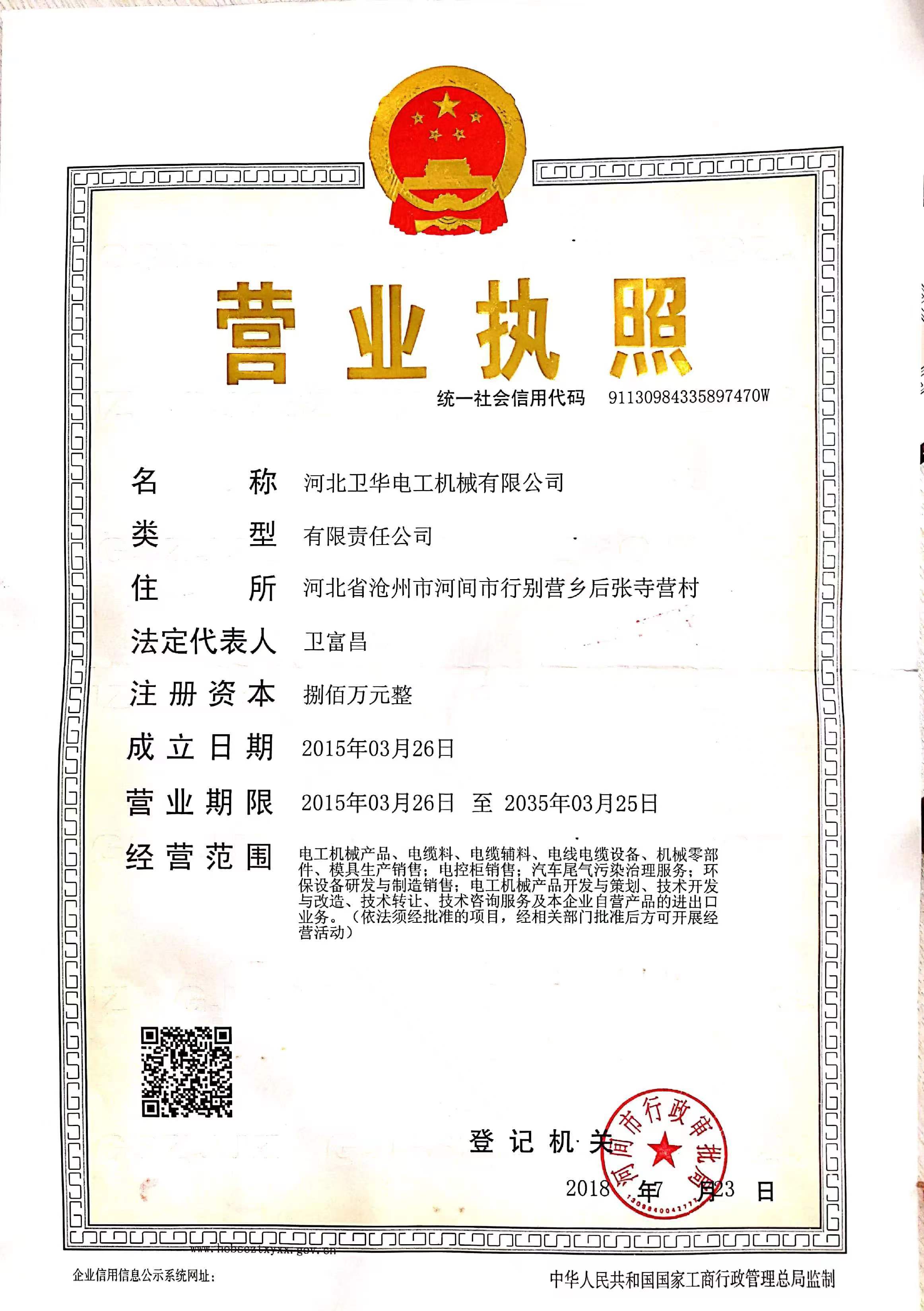
Weihua Electrical Machinery is a professional manufacturer of electrical machinery products integrating design, production, sales and service.




Understanding the Importance of Cold Feed Rubber Extruders in Electrical Wire and Cable Manufacturing
2025-06-07 14:40

Cold feed rubber extruders operate by forcing rubber compounds through a die at ambient temperatures, distinguishing them from other types of extruders that may require heating. This method is particularly advantageous for processing a wide range of materials, including high-consistency rubbers, thermoplastic elastomers, and other composites used in electrical applications. The use of a cold feed extruder ensures that the material retains its properties, which is crucial for maintaining the insulation and protective characteristics of electrical cables.
One of the primary benefits of a cold feed rubber extruder is its ability to provide consistent material flow. This results in uniform cross-sectional dimensions, which is essential for electrical wires and cables to ensure optimal performance and safety. Inconsistent dimensions can lead to issues such as overheating, increased resistance, and ultimately, product failure. By utilizing a cold feed rubber extruder, manufacturers can minimize these risks, leading to higher-quality products that meet industry standards.
Moreover, cold feed rubber extruders are known for their energy efficiency. Since they operate at lower temperatures, they consume less energy compared to traditional heated extruders. This not only reduces operational costs but also minimizes the environmental impact of manufacturing processes. Companies are increasingly seeking ways to enhance sustainability, and opting for energy-efficient machinery like cold feed rubber extruders aligns with these goals.
Another significant advantage is the versatility of cold feed rubber extruders. They can accommodate a variety of formulations, allowing manufacturers to experiment with different rubber compounds and achieve specific performance characteristics. This flexibility is particularly beneficial in the electrical wire and cable industry, where different applications may require unique insulation properties or resistance to environmental factors.
In conclusion, the role of cold feed rubber extruders in the electrical wire and cable manufacturing process cannot be overstated. Their ability to produce consistent and high-quality products while maintaining energy efficiency makes them an invaluable asset. Manufacturers looking to enhance their production capabilities should consider the numerous benefits that cold feed rubber extruders offer, from improved product quality to reduced environmental impact. Understanding these advantages can lead to smarter investment decisions and ultimately drive business success in the competitive electrical sector.
Understanding the Importance of Cold Feed Rubber Extruders in Electrical Wire and Cable Manufacturing
recommend reading
Key Features to Look for in a Cold Feed Rubber Extruder for Electrical Wiring
Key Features to Look for in a Cold Feed Rubber Extruder for Electrical Wiring Understanding Cold Feed Rubber Extruders Cold feed rubber extruders play a crucial role in the manufacturing of electrical wiring. These machines process raw rubber materials into various forms, ensuring they meet specific standards for electrical applications. Understanding the key features of cold feed rubber extruders
Understanding Rubber Extruders: Key Insights for the Electrical Industry
In the electrical and cable industry, the rubber extruder plays a pivotal role in the manufacturing process, particularly when it comes to producing insulation and jacketing for wires and cables. A rubber extruder is a machine that shapes rubber materials into specific profiles or forms by forcing them through a die. Understanding the fundamentals of rubber extruders can significantly enhance oper
The Essential Guide to Cable Types in Production Lines
The Essential Guide to Cable Types in Production Lines Table of Contents Introduction to Cable Types in Production Lines Understanding Different Types of Cables Single-Core vs. Multi-Core Cables: Which Is Right for You? Types of Cables Commonly Used in Production Lines Power Cables Control Cables Data Cables Specialty Cables
The Essential Role of Plastic Extruders in Cable Manufacturing
Plastic extruders play a pivotal role in the modern manufacturing of electrical wires and cables, particularly in the creation of insulation and protective coatings that ensure durability and performance. These machines are designed to melt plastic pellets and then force the molten material through a die to create continuous shapes, making them indispensable in the production of various cable comp
Comparative Analysis: Different Types of Wire and Cable Extrusion Production Lines
Comparative Analysis: Different Types of Wire and Cable Extrusion Production Lines Introduction to Wire and Cable Extrusion Extrusion is a critical process in the production of wires and cables. This procedure involves forcing molten material through a die to create a continuous product with a fixed cross-sectional profile. In the context of the electrical industry, wires and cables are pivotal fo
Understanding Cold Feed Rubber Extruders: A Key Component in Electrical Wire and Cable Manufacturing
In the realm of electrical wire and cable manufacturing, the cold feed rubber extruder stands out as a pivotal technology. This specialized piece of equipment is designed to process rubber compounds at ambient temperatures, offering several advantages over traditional extrusion methods. Understanding the functionality and benefits of cold feed rubber extruders can help manufacturers optimize their