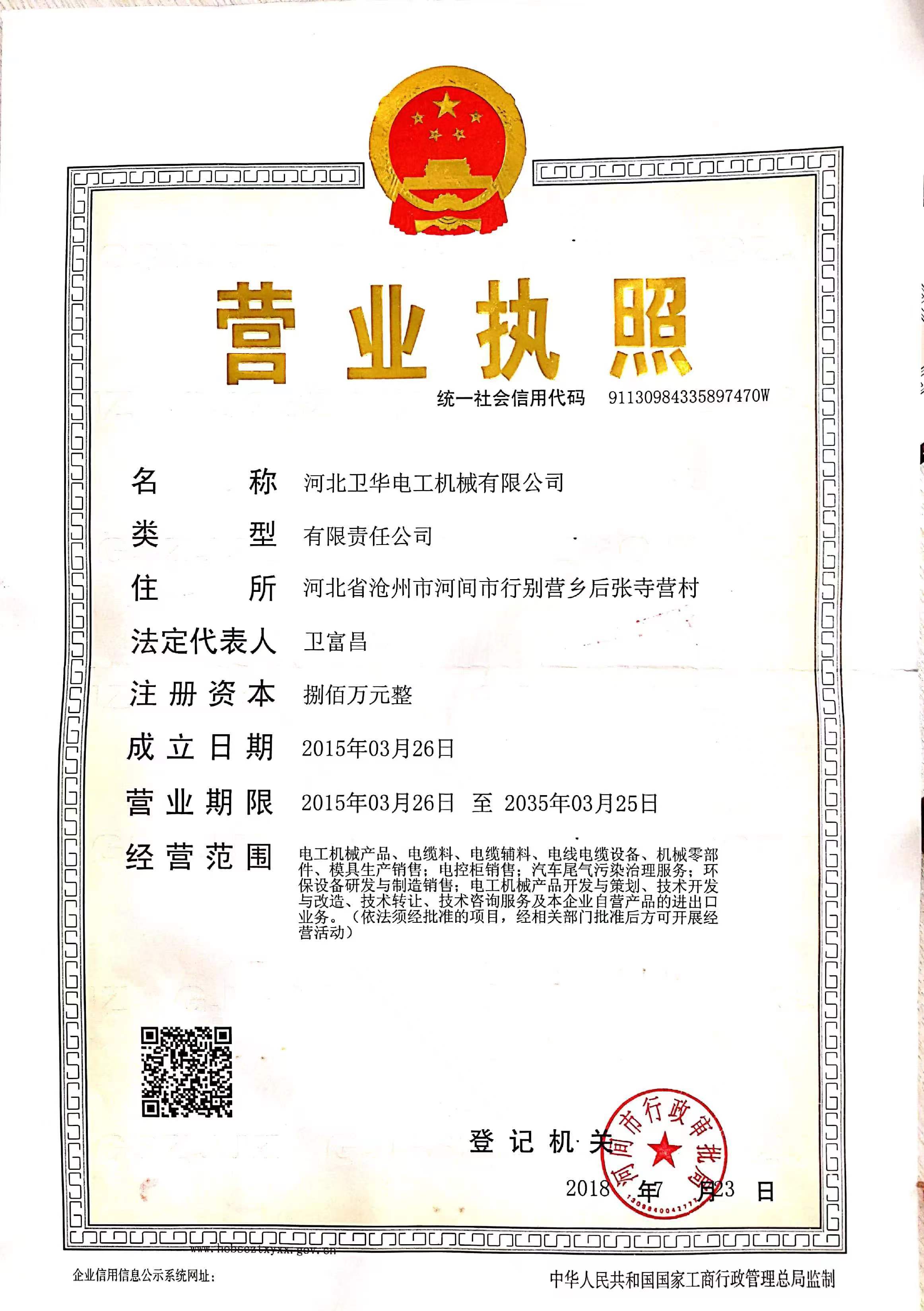
Weihua Electrical Machinery is a professional manufacturer of electrical machinery products integrating design, production, sales and service.




How Rubber Extruders Revolutionize Electrical Wire Manufacturing
2025-06-06 12:40

How Rubber Extruders Revolutionize Electrical Wire Manufacturing
Table of Contents
- 1. Introduction to Rubber Extruders in Electrical Wire Manufacturing
- 2. What is a Rubber Extruder?
- 3. Importance of Rubber Extrusion in Wire Manufacturing
- 4. Advantages of Using Rubber Extruders
- 5. Types of Rubber Extruders Used in the Industry
- 6. The Extrusion Process Explained
- 7. Innovations and Technology Enhancements in Rubber Extrusion
- 8. The Future of Rubber Extrusion in Electrical Wire Manufacturing
- 9. Conclusion
- 10. FAQs
1. Introduction to Rubber Extruders in Electrical Wire Manufacturing
In the fast-evolving world of electrical wire manufacturing, efficiency and quality are paramount. Rubber extruders have emerged as a game-changing technology, streamlining production processes and enhancing the properties of electrical wires. By adapting to various materials and specifications, rubber extruders provide manufacturers with the flexibility needed to meet market demands. This article will delve into the intricacies of rubber extrusion and its significant role in revolutionizing electrical wire production.
2. What is a Rubber Extruder?
A rubber extruder is a specialized machine designed to process rubber materials into continuous shapes. The machine utilizes a rotating screw mechanism that forces the rubber through a die, forming it into the desired shape. This process is crucial in producing insulation and protective coverings for electrical wires. The precision and control offered by rubber extruders ensure that manufacturers can create products that meet stringent industry standards.
Understanding the Components of a Rubber Extruder
Rubber extruders consist of several key components:
- **Feeding System**: Where raw materials are introduced into the machine.
- **Screw Mechanism**: Responsible for mixing and conveying the rubber.
- **Heating Zones**: Provide controlled temperatures for processing.
- **Die**: Shapes the extruded rubber into final forms.
Each component plays a vital role in ensuring optimal performance and high-quality output.
3. Importance of Rubber Extrusion in Wire Manufacturing
The electrical wire manufacturing industry relies heavily on rubber extrusion for several reasons:
- **Versatility**: Rubber extruders can process various compounds, including thermoplastics and elastomers, allowing manufacturers to produce a wide range of wire types.
- **Quality Control**: The extrusion process allows for consistent thickness and uniformity in wire insulation, which is critical for electrical performance and safety.
- **Efficiency**: Automation in rubber extrusion reduces labor costs and production time, leading to increased output without compromising quality.
4. Advantages of Using Rubber Extruders
The adoption of rubber extruders in electrical wire manufacturing offers numerous advantages:
Enhanced Product Quality
Rubber extruders provide precise control over the material properties, ensuring that the insulation is robust and compatible with various environmental conditions, such as heat and moisture.
Cost-Effectiveness
By automating the production process, rubber extruders minimize material waste and labor costs. This efficiency translates to significant savings for manufacturers.
Improved Production Speed
The continuous nature of the extrusion process allows for high-volume production, enabling manufacturers to meet increased demand without sacrificing quality.
Customizability
Manufacturers can easily adjust the rubber formulation, thickness, and other parameters, allowing for tailored solutions that meet specific customer requirements.
5. Types of Rubber Extruders Used in the Industry
Different types of rubber extruders serve various purposes in electrical wire manufacturing:
Single-Screw Extruders
Single-screw extruders are commonly used for continuous and high-volume production. They are ideal for processing homogeneous materials and are known for their simplicity and efficiency.
Multi-Screw Extruders
Multi-screw extruders, including twin-screw models, offer superior mixing capabilities. They are suitable for complex formulations and can handle materials that require more intensive processing.
Cold Feed Extruders
These extruders are specifically designed for materials that must remain in a solid state during processing. Cold feed extruders are excellent for certain rubber compounds used in electrical wire insulation.
6. The Extrusion Process Explained
Understanding the extrusion process is crucial for grasping how rubber extruders transform raw materials into high-quality wire insulation:
Step 1: Material Preparation
Raw rubber materials are prepared and fed into the extruder. This preparation may involve cutting, grinding, and mixing with additives to enhance performance.
Step 2: Heating and Mixing
As the materials enter the extruder, they are subjected to controlled heating and mixing, which ensures uniformity and homogeneity.
Step 3: Extrusion
The heated rubber is forced through a die, creating a continuous shape that can be cut into desired lengths. This step is where the final product begins to take form.
Step 4: Cooling and Finishing
After extrusion, the rubber wire is cooled to maintain its shape. Additional processes, such as surface treatment or coating, may follow to enhance properties.
7. Innovations and Technology Enhancements in Rubber Extrusion
The rubber extrusion process continues to evolve with advancements in technology. Key innovations include:
Smart Extrusion Systems
Integration of IoT technology allows manufacturers to monitor and control the extrusion process in real-time, leading to better quality control and reduced downtime.
Advanced Material Compounds
Research and development in elastomer formulations have led to improved properties such as enhanced thermal resistance, flexibility, and durability.
Energy-Efficient Manufacturing
Newer extruder designs focus on energy efficiency, significantly reducing the carbon footprint of the manufacturing process.
8. The Future of Rubber Extrusion in Electrical Wire Manufacturing
As the demand for electrical wires grows, the future of rubber extrusion looks promising. Anticipated trends include:
- **Increased Automation**: More manufacturers are likely to adopt fully automated systems to enhance efficiency and reduce operational costs.
- **Sustainable Practices**: The industry may shift towards eco-friendly materials and processes, reducing environmental impact.
- **Customization and Specialization**: As new applications for electrical wires emerge, manufacturers will need to develop highly specialized products, further driving the demand for versatile rubber extruders.
9. Conclusion
Rubber extruders are at the forefront of transforming electrical wire manufacturing. By enhancing efficiency, reducing costs, and improving product quality, these machines are essential for meeting the demands of a rapidly evolving industry. As technology continues to advance, rubber extrusion will play an integral role in shaping the future of electrical wire production, ensuring that manufacturers can deliver high-performance products that meet the needs of consumers and industries alike.
10. FAQs
What is the primary purpose of rubber extruders in wire manufacturing?
The primary purpose of rubber extruders is to process rubber materials into insulation and protective coverings for electrical wires, ensuring high quality and consistency.
How do rubber extruders improve efficiency in manufacturing?
Rubber extruders streamline the production process by automating the mixing and shaping of materials, reducing labor costs and production time while increasing output.
What types of materials can be processed by rubber extruders?
Rubber extruders can process various materials, including thermoplastics, elastomers, and specialized rubber compounds tailored for specific applications.
Are there different types of rubber extruders for different applications?
Yes, there are several types of rubber extruders, including single-screw, multi-screw, and cold feed extruders, each designed for specific processing needs.
What advancements are being made in rubber extruder technology?
Innovations in rubber extrusion technology include smart systems for real-time monitoring, energy-efficient designs, and advanced material formulations to enhance product performance.
How Rubber Extruders Revolutionize Electrical Wire Manufacturing
recommend reading
Key Features to Look for in a Cold Feed Rubber Extruder for Electrical Wiring
Key Features to Look for in a Cold Feed Rubber Extruder for Electrical Wiring Understanding Cold Feed Rubber Extruders Cold feed rubber extruders play a crucial role in the manufacturing of electrical wiring. These machines process raw rubber materials into various forms, ensuring they meet specific standards for electrical applications. Understanding the key features of cold feed rubber extruders
Understanding Rubber Extruders: Key Insights for the Electrical Industry
In the electrical and cable industry, the rubber extruder plays a pivotal role in the manufacturing process, particularly when it comes to producing insulation and jacketing for wires and cables. A rubber extruder is a machine that shapes rubber materials into specific profiles or forms by forcing them through a die. Understanding the fundamentals of rubber extruders can significantly enhance oper
The Essential Guide to Cable Types in Production Lines
The Essential Guide to Cable Types in Production Lines Table of Contents Introduction to Cable Types in Production Lines Understanding Different Types of Cables Single-Core vs. Multi-Core Cables: Which Is Right for You? Types of Cables Commonly Used in Production Lines Power Cables Control Cables Data Cables Specialty Cables
The Essential Role of Plastic Extruders in Cable Manufacturing
Plastic extruders play a pivotal role in the modern manufacturing of electrical wires and cables, particularly in the creation of insulation and protective coatings that ensure durability and performance. These machines are designed to melt plastic pellets and then force the molten material through a die to create continuous shapes, making them indispensable in the production of various cable comp
Comparative Analysis: Different Types of Wire and Cable Extrusion Production Lines
Comparative Analysis: Different Types of Wire and Cable Extrusion Production Lines Introduction to Wire and Cable Extrusion Extrusion is a critical process in the production of wires and cables. This procedure involves forcing molten material through a die to create a continuous product with a fixed cross-sectional profile. In the context of the electrical industry, wires and cables are pivotal fo
Understanding Cold Feed Rubber Extruders: A Key Component in Electrical Wire and Cable Manufacturing
In the realm of electrical wire and cable manufacturing, the cold feed rubber extruder stands out as a pivotal technology. This specialized piece of equipment is designed to process rubber compounds at ambient temperatures, offering several advantages over traditional extrusion methods. Understanding the functionality and benefits of cold feed rubber extruders can help manufacturers optimize their