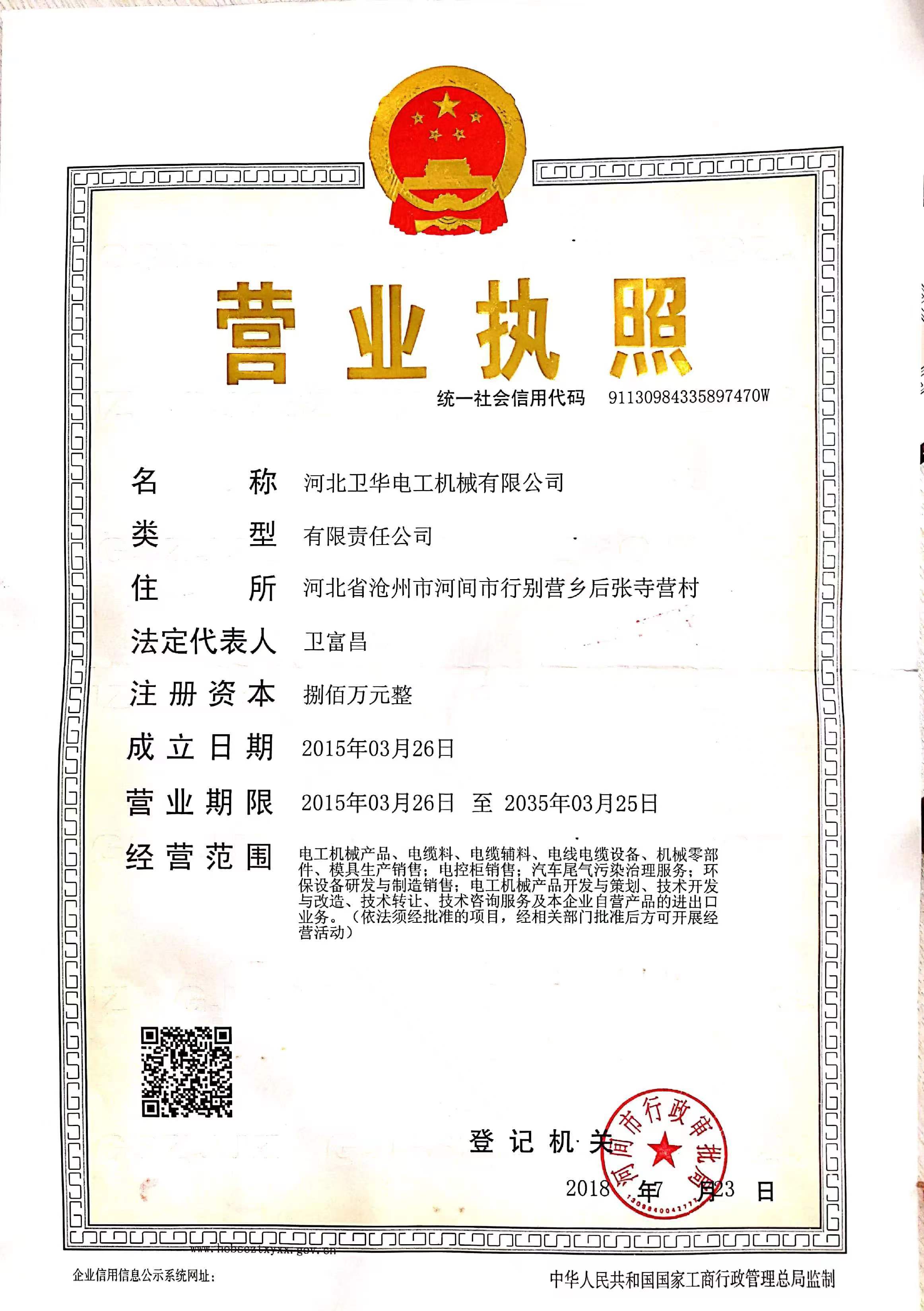
Weihua Electrical Machinery is a professional manufacturer of electrical machinery products integrating design, production, sales and service.




Understanding Rubber Extruders in Electrical Wire and Cable Manufacturing
2025-05-10 13:00

The primary function of a rubber extruder is to mix and heat rubber compounds before shaping them. This process involves several key components, including the feed section, transition zone, and die head. In the feed section, raw materials are introduced and preheated, which prepares them for further processing. The transition zone allows for the mixing of additives, like accelerators and fillers, ensuring uniformity and enhancing the material's properties. Lastly, the die head shapes the rubber into the desired form for insulation or sheathing of electrical wires and cables.
One of the crucial aspects of using rubber extruders in the electrical industry is the ability to customize the rubber formulations. Different applications may require varying degrees of flexibility, temperature resistance, or durability. By adjusting the composition of the rubber mixture and the extrusion parameters, manufacturers can create products that meet stringent industry standards and performance expectations. This flexibility is particularly important in the electrical sector, where insulation must not only protect the conductive core but also withstand environmental factors such as moisture, UV exposure, and mechanical stress.
Moreover, the efficiency of rubber extruders can significantly impact production throughput. Advanced models are equipped with features such as automatic feeding systems, temperature control mechanisms, and real-time monitoring technologies. These innovations help streamline the manufacturing process, reduce waste, and enhance product consistency. Implementing energy-efficient practices within the extrusion process can also lead to cost savings, making operations more sustainable in the long run.
In addition to the mechanical aspects, understanding the maintenance and troubleshooting of rubber extruders is vital for minimizing downtime. Regular inspections, cleaning, and parts replacement can prevent common issues like material buildup, inconsistent output, and mechanical failures. Training operators to recognize early signs of malfunction can also contribute to a more efficient production environment.
In summary, rubber extruders are essential in the manufacturing of electrical wires and cables, providing the necessary mechanisms to create high-quality, durable products. With the ability to tailor rubber compounds and enhance production efficiency, these machines are integral to meeting the growing demands of the electrical industry. By staying informed about advancements in extrusion technology and best practices in maintenance, manufacturers can ensure they remain competitive in an ever-evolving market.
Understanding Rubber Extruders in Electrical Wire and Cable Manufacturing
recommend reading
Key Features to Look for in a Cold Feed Rubber Extruder for Electrical Wiring
Key Features to Look for in a Cold Feed Rubber Extruder for Electrical Wiring Understanding Cold Feed Rubber Extruders Cold feed rubber extruders play a crucial role in the manufacturing of electrical wiring. These machines process raw rubber materials into various forms, ensuring they meet specific standards for electrical applications. Understanding the key features of cold feed rubber extruders
Understanding Rubber Extruders: Key Insights for the Electrical Industry
In the electrical and cable industry, the rubber extruder plays a pivotal role in the manufacturing process, particularly when it comes to producing insulation and jacketing for wires and cables. A rubber extruder is a machine that shapes rubber materials into specific profiles or forms by forcing them through a die. Understanding the fundamentals of rubber extruders can significantly enhance oper
The Essential Guide to Cable Types in Production Lines
The Essential Guide to Cable Types in Production Lines Table of Contents Introduction to Cable Types in Production Lines Understanding Different Types of Cables Single-Core vs. Multi-Core Cables: Which Is Right for You? Types of Cables Commonly Used in Production Lines Power Cables Control Cables Data Cables Specialty Cables
The Essential Role of Plastic Extruders in Cable Manufacturing
Plastic extruders play a pivotal role in the modern manufacturing of electrical wires and cables, particularly in the creation of insulation and protective coatings that ensure durability and performance. These machines are designed to melt plastic pellets and then force the molten material through a die to create continuous shapes, making them indispensable in the production of various cable comp
Comparative Analysis: Different Types of Wire and Cable Extrusion Production Lines
Comparative Analysis: Different Types of Wire and Cable Extrusion Production Lines Introduction to Wire and Cable Extrusion Extrusion is a critical process in the production of wires and cables. This procedure involves forcing molten material through a die to create a continuous product with a fixed cross-sectional profile. In the context of the electrical industry, wires and cables are pivotal fo
Understanding Cold Feed Rubber Extruders: A Key Component in Electrical Wire and Cable Manufacturing
In the realm of electrical wire and cable manufacturing, the cold feed rubber extruder stands out as a pivotal technology. This specialized piece of equipment is designed to process rubber compounds at ambient temperatures, offering several advantages over traditional extrusion methods. Understanding the functionality and benefits of cold feed rubber extruders can help manufacturers optimize their