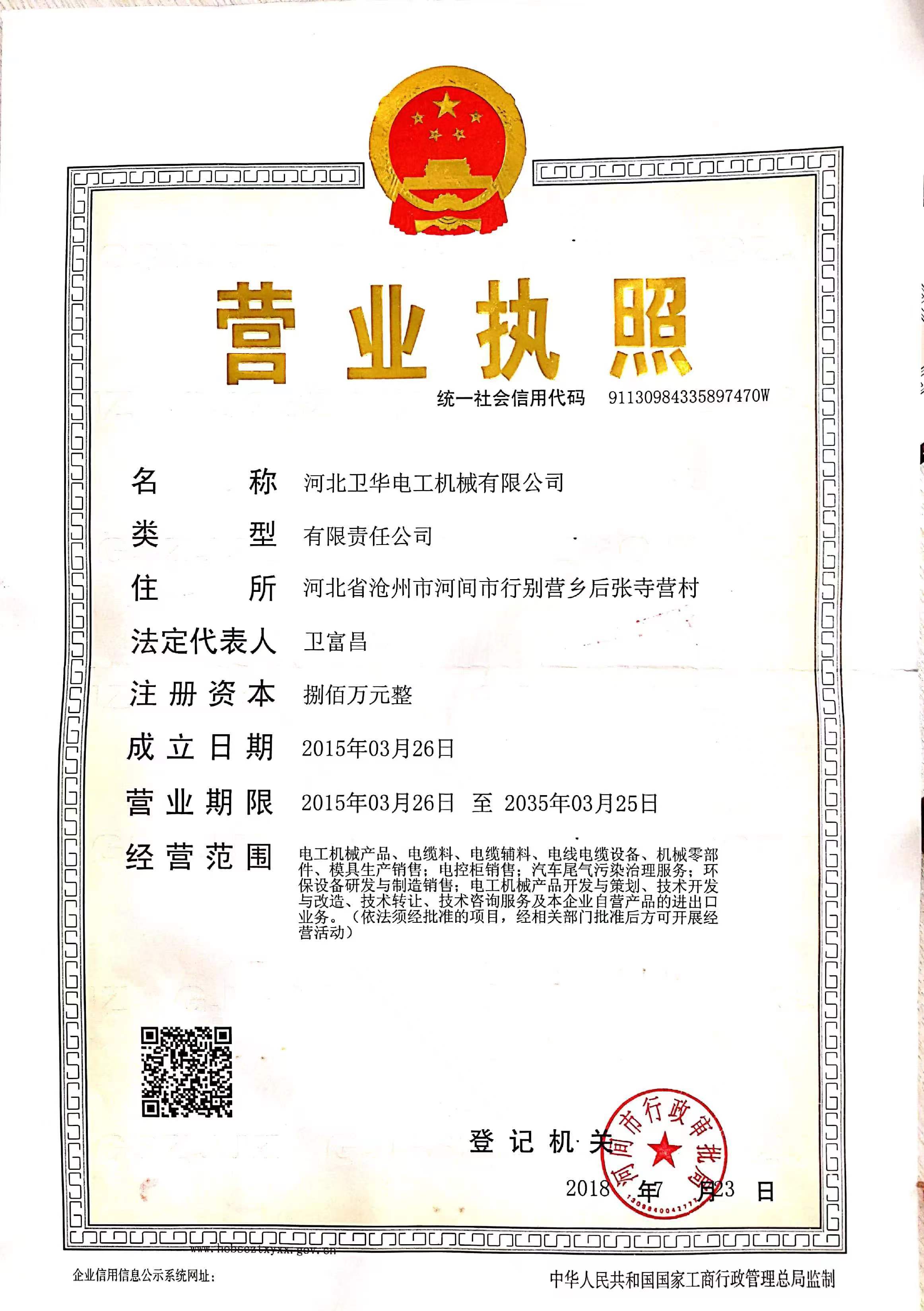
Weihua Electrical Machinery is a professional manufacturer of electrical machinery products integrating design, production, sales and service.




Why a Cold Feed Rubber Extruder is Essential for Modern Cable Manufacturing
2025-05-11 17:20

Why a Cold Feed Rubber Extruder is Essential for Modern Cable Manufacturing
Table of Contents
- 1. Introduction to Cold Feed Rubber Extruders
- 2. The Importance of Cold Feed Rubber Extruders in Cable Manufacturing
- 3. Understanding the Working Principle of Cold Feed Rubber Extruders
- 4. Advantages of Using Cold Feed Rubber Extruders
- 4.1 Superior Product Quality
- 4.2 Enhanced Efficiency in Production
- 4.3 Flexibility and Customization
- 5. Applications of Cold Feed Rubber Extruders in Cable Manufacturing
- 6. Maintenance of Cold Feed Rubber Extruders
- 7. Future Trends in Cold Feed Rubber Extrusion Technology
- 8. Conclusion
- 9. Frequently Asked Questions (FAQs)
1. Introduction to Cold Feed Rubber Extruders
In the fast-paced world of cable manufacturing, the **cold feed rubber extruder** has emerged as a vital piece of equipment. This specialized machine allows manufacturers to produce high-quality rubber components for electrical cables efficiently. By understanding the functionality and significance of cold feed rubber extruders, businesses can optimize their production processes, ensuring they meet the increasing demands of the industry.
2. The Importance of Cold Feed Rubber Extruders in Cable Manufacturing
As the demand for electrical cables grows, so does the necessity for advanced manufacturing techniques. Cold feed rubber extruders play a crucial role in this evolution, providing manufacturers with the ability to produce cables that meet stringent quality standards. These extruders allow for precise control over the extrusion process, ensuring consistent product performance.
The use of a cold feed rubber extruder is essential for several reasons:
- **Quality Control:** The design of these extruders ensures that the rubber compounds used are mixed thoroughly and uniformly, minimizing defects in the final product.
- **Efficiency:** Cold feed technology allows for higher throughput rates, which translates to increased productivity and reduced manufacturing costs.
- **Versatility:** Cold feed extruders can accommodate a variety of rubber compounds, making them adaptable to different cable types and applications.
3. Understanding the Working Principle of Cold Feed Rubber Extruders
The operation of a cold feed rubber extruder is based on a simple yet effective principle. Unlike traditional hot feed extruders, which heat the rubber before processing, cold feed extruders operate at lower temperatures. This method preserves the material properties of the rubber, leading to improved product quality.
The key components of a cold feed rubber extruder include:
- **Feeding System:** This component is designed to introduce rubber materials into the extruder without preheating them. The cold feed system allows for precise metering, ensuring that the correct amount of rubber is used in the process.
- **Screw Mechanism:** The extruder features a rotating screw that moves the rubber material through the barrel. As the material is conveyed, it undergoes shear and mixing, which improves the homogeneity of the rubber compound.
- **Die Head:** The die head shapes the rubber into the desired profile, whether it be for insulation, sheathing, or other cable components.
By maintaining cooler temperatures throughout the process, cold feed rubber extruders help to preserve the mechanical and chemical properties of the rubber, leading to superior end products.
4. Advantages of Using Cold Feed Rubber Extruders
The adoption of cold feed rubber extruders in cable manufacturing comes with a myriad of benefits that enhance production quality and efficiency.
4.1 Superior Product Quality
One of the most significant advantages of using cold feed rubber extruders is the superior quality of the final product. The lower processing temperatures ensure that the rubber compounds retain their physical properties, resulting in:
- Enhanced elasticity and durability
- Improved resistance to environmental factors
- Consistent performance across various applications
These quality enhancements not only lead to better-performing cables but also reduce the likelihood of defects and failures in the field.
4.2 Enhanced Efficiency in Production
Cold feed rubber extruders offer increased production efficiency. The design allows for continuous operation, which minimizes downtime and maximizes output. Key efficiency benefits include:
- Faster cycle times due to the elimination of preheating steps
- Reduced energy consumption since the process operates at lower temperatures
- Streamlined operations, as fewer adjustments are needed during production
These factors collectively contribute to lower production costs and higher profit margins.
4.3 Flexibility and Customization
Another notable advantage of cold feed rubber extruders is their flexibility in handling various rubber formulations. This adaptability enables manufacturers to cater to specific customer requirements, producing customized cable solutions. The ability to change rubber compounds without major modifications to the extruder also allows for rapid adjustments in production, responding quickly to market demands.
5. Applications of Cold Feed Rubber Extruders in Cable Manufacturing
Cold feed rubber extruders are utilized in a wide range of applications within cable manufacturing, reflecting their versatility and effectiveness. Common uses include:
- **Insulation Production:** The extruder is used to create rubber insulation for wires and cables, providing electrical protection and enhancing safety.
- **Sheathing:** Cold feed rubber extruders produce protective sheathing that safeguards cables from environmental factors like moisture, chemicals, and abrasion.
- **Specialty Cables:** Manufacturers can produce customized cables for specific applications, including automotive, telecommunications, and industrial sectors, thanks to the flexible capabilities of cold feed technology.
As the cable industry continues to evolve, the role of cold feed rubber extruders remains pivotal in addressing diverse manufacturing needs.
6. Maintenance of Cold Feed Rubber Extruders
To ensure the longevity and optimal performance of cold feed rubber extruders, regular maintenance is essential. Key maintenance practices include:
- **Routine Cleaning:** Keeping the extruder free of contaminants is crucial for maintaining product quality. Regular cleaning prevents material buildup that can affect performance.
- **Lubrication:** Proper lubrication of moving parts helps minimize wear and tear, extending the machine's lifespan.
- **Component Inspection:** Regular inspections of critical components, such as the screw and die head, allow for early detection of wear and enable timely repairs.
Implementing a robust maintenance schedule helps manufacturers avoid unexpected breakdowns and costly production delays.
7. Future Trends in Cold Feed Rubber Extrusion Technology
As technology advances, the cold feed rubber extrusion process is likely to see several innovative developments. Key trends shaping the future of this technology include:
- **Automation:** Increased integration of automation and robotics will enhance precision and reduce manual labor in the extrusion process.
- **Smart Extruders:** The adoption of IoT (Internet of Things) technologies will enable real-time monitoring and data analysis, optimizing the extrusion process and predictive maintenance.
- **Sustainability:** There is a growing focus on sustainability, leading to the development of eco-friendly rubber compounds and processes that reduce waste and energy consumption.
These trends will not only improve the efficiency of cold feed rubber extruders but also contribute to a more sustainable and competitive cable manufacturing landscape.
8. Conclusion
The significance of cold feed rubber extruders in modern cable manufacturing cannot be overstated. By providing superior product quality, enhanced efficiency, and flexibility, these machines have become indispensable in producing high-quality electrical cables. As the cable industry continues to evolve, embracing the advancements in cold feed rubber extrusion technology will be crucial for manufacturers looking to stay competitive. Investing in this technology not only meets current demands but also prepares businesses for the future of cable manufacturing.
9. Frequently Asked Questions (FAQs)
1. What is a cold feed rubber extruder?
A cold feed rubber extruder is a specialized machine used in cable manufacturing to process rubber compounds at lower temperatures, preserving their properties and enhancing product quality.
2. How does a cold feed rubber extruder differ from a hot feed extruder?
Cold feed extruders operate without preheating the rubber, while hot feed extruders heat the material before it enters the machine. This difference affects the quality and characteristics of the final product.
3. What are the benefits of using a cold feed rubber extruder for cable insulation?
The benefits include superior quality, improved durability, increased production efficiency, and the ability to customize formulations for specific applications.
4. How often should cold feed rubber extruders be maintained?
Regular maintenance should be performed based on the manufacturer's recommendations, typically involving routine cleaning, lubrication, and inspection of components.
5. What future trends can we expect in cold feed rubber extrusion technology?
Future trends may include increased automation, integration of smart technologies for real-time monitoring, and a focus on sustainability with eco-friendly materials and processes.
By understanding the critical role of cold feed rubber extruders, manufacturers can optimize their operations and ensure they produce high-quality cables that meet modern industry standards.
Why a Cold Feed Rubber Extruder is Essential for Modern Cable Manufacturing
recommend reading
Key Features to Look for in a Cold Feed Rubber Extruder for Electrical Wiring
Key Features to Look for in a Cold Feed Rubber Extruder for Electrical Wiring Understanding Cold Feed Rubber Extruders Cold feed rubber extruders play a crucial role in the manufacturing of electrical wiring. These machines process raw rubber materials into various forms, ensuring they meet specific standards for electrical applications. Understanding the key features of cold feed rubber extruders
Understanding Rubber Extruders: Key Insights for the Electrical Industry
In the electrical and cable industry, the rubber extruder plays a pivotal role in the manufacturing process, particularly when it comes to producing insulation and jacketing for wires and cables. A rubber extruder is a machine that shapes rubber materials into specific profiles or forms by forcing them through a die. Understanding the fundamentals of rubber extruders can significantly enhance oper
The Essential Guide to Cable Types in Production Lines
The Essential Guide to Cable Types in Production Lines Table of Contents Introduction to Cable Types in Production Lines Understanding Different Types of Cables Single-Core vs. Multi-Core Cables: Which Is Right for You? Types of Cables Commonly Used in Production Lines Power Cables Control Cables Data Cables Specialty Cables
The Essential Role of Plastic Extruders in Cable Manufacturing
Plastic extruders play a pivotal role in the modern manufacturing of electrical wires and cables, particularly in the creation of insulation and protective coatings that ensure durability and performance. These machines are designed to melt plastic pellets and then force the molten material through a die to create continuous shapes, making them indispensable in the production of various cable comp
Comparative Analysis: Different Types of Wire and Cable Extrusion Production Lines
Comparative Analysis: Different Types of Wire and Cable Extrusion Production Lines Introduction to Wire and Cable Extrusion Extrusion is a critical process in the production of wires and cables. This procedure involves forcing molten material through a die to create a continuous product with a fixed cross-sectional profile. In the context of the electrical industry, wires and cables are pivotal fo
Understanding Cold Feed Rubber Extruders: A Key Component in Electrical Wire and Cable Manufacturing
In the realm of electrical wire and cable manufacturing, the cold feed rubber extruder stands out as a pivotal technology. This specialized piece of equipment is designed to process rubber compounds at ambient temperatures, offering several advantages over traditional extrusion methods. Understanding the functionality and benefits of cold feed rubber extruders can help manufacturers optimize their