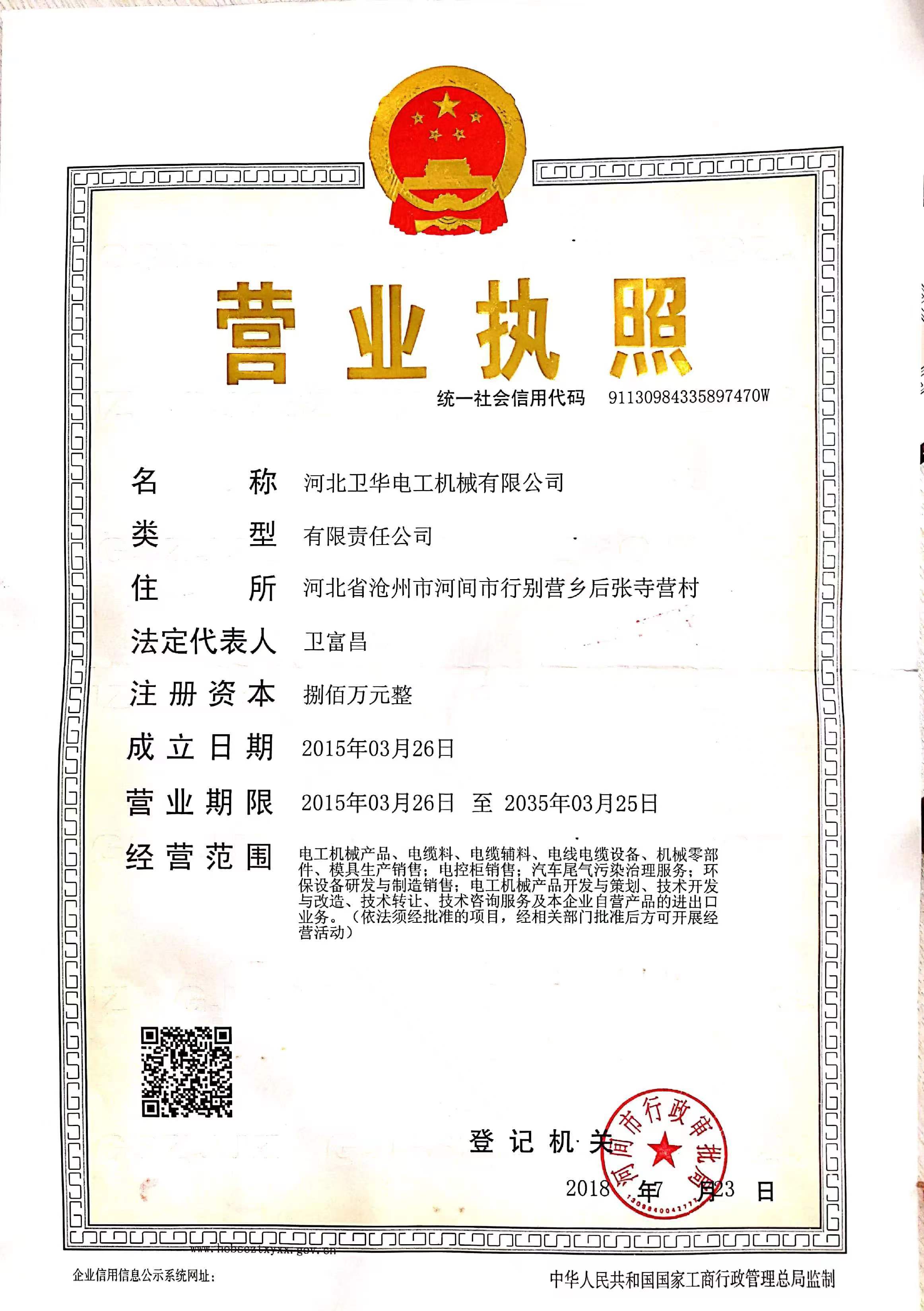
Weihua Electrical Machinery is a professional manufacturer of electrical machinery products integrating design, production, sales and service.




Cost-Effective Strategies for Running a Cable Production Line: Maximizing Efficiency and Reducing Costs
2025-05-09 13:00

Cost-Effective Strategies for Running a Cable Production Line
Table of Contents
- 1. Introduction to Cable Production Lines
- 2. Understanding the Costs Involved in Cable Production
- 3. Improving Efficiency in Cable Manufacturing
- 4. Technology Integration for Cost Reduction
- 5. Smart Supply Chain Management
- 6. Quality Control Without Compromising Costs
- 7. Employee Training for Increased Productivity
- 8. Implementing Sustainable Practices
- 9. Conclusion
- 10. Frequently Asked Questions (FAQs)
1. Introduction to Cable Production Lines
In today's fast-paced electrical industry, running a cable production line efficiently while keeping costs low is crucial for success. As demand for diverse cable products continues to rise, manufacturers must adopt strategic approaches to maintain competitiveness. This article will explore various strategies designed to optimize the operations of a cable production line, focusing on cost-cutting methods that do not compromise quality.
2. Understanding the Costs Involved in Cable Production
To implement cost-effective strategies, it is essential to understand the primary costs associated with cable production. These can be categorized into several areas:
2.1 Raw Material Costs
The price of raw materials, such as copper and aluminum, significantly impacts production costs. By negotiating better terms with suppliers or exploring alternative materials, manufacturers can optimize expenses.
2.2 Labor Costs
Labor is a vital component of the production process. Identifying ways to reduce labor costs without sacrificing workforce morale is essential. This might include automation or optimizing workforce schedules for maximum efficiency.
2.3 Overhead Costs
These include utilities, maintenance, and facility costs. Analyzing overhead expenses can reveal opportunities for savings through energy efficiency initiatives or lean manufacturing practices.
2.4 Equipment and Maintenance Costs
Investing in high-quality machinery can lead to long-term savings. Regular maintenance is also crucial to prevent costly breakdowns and ensure maximum productivity.
3. Improving Efficiency in Cable Manufacturing
Enhancing efficiency in your production line can lead to significant cost savings. Here are some effective methods:
3.1 Streamlined Production Processes
Evaluating the entire production process allows for the identification of bottlenecks. Implementing lean manufacturing principles can streamline production, reduce waste, and increase throughput.
3.2 Just-in-Time Manufacturing
This inventory strategy minimizes waste by receiving goods only as they are needed. Just-in-time manufacturing reduces inventory costs and enhances cash flow.
3.3 Performance Monitoring
Utilizing performance metrics can help identify areas needing improvement. Regularly reviewing and adjusting processes based on these metrics can lead to ongoing efficiency gains.
4. Technology Integration for Cost Reduction
Integrating modern technologies can significantly reduce production costs:
4.1 Automation and Robotics
Automating repetitive tasks can enhance precision, reduce labor costs, and increase production speed. Robotic systems can handle complex processes with minimal human intervention.
4.2 Data Analytics
Implementing data analytics can help predict maintenance needs, optimize resource allocation, and enhance decision-making processes. This results in a more agile and responsive production environment.
4.3 Internet of Things (IoT)
IoT devices can offer real-time monitoring of machinery and equipment. This capability allows for predictive maintenance, reducing downtime and associated costs.
5. Smart Supply Chain Management
Effective supply chain management is vital for controlling costs:
5.1 Supplier Relationships
Establishing strong relationships with suppliers can lead to better pricing, improved quality, and more reliable delivery schedules.
5.2 Inventory Management
Implementing advanced inventory management systems helps track stock levels accurately, minimizing excess inventory and reducing carrying costs.
5.3 Logistics Optimization
Choosing efficient logistics partners and optimizing transportation routes can lead to significant cost savings and improved delivery times.
6. Quality Control Without Compromising Costs
Maintaining quality while managing costs is a delicate balance:
6.1 Implementing Effective Quality Control Systems
Developing comprehensive quality control systems ensures products meet industry standards. Regular audits and feedback loops help maintain high quality without excessive costs.
6.2 Employee Involvement in Quality Assurance
Encouraging employees to participate in quality assurance processes fosters a culture of accountability. Engaged employees are more likely to identify potential quality issues before they escalate.
7. Employee Training for Increased Productivity
Investing in employee training can yield significant returns:
7.1 Skills Development
Offering regular training ensures that employees are up-to-date with the latest production techniques and safety practices, leading to improved efficiency and reduced errors.
7.2 Cross-Training
Cross-training employees allows for greater flexibility in workforce allocation, enabling better responsiveness to changing production needs.
8. Implementing Sustainable Practices
Adopting sustainable practices can lead to cost savings while enhancing your brand’s reputation:
8.1 Waste Reduction Strategies
Implementing waste reduction strategies, such as recycling scrap materials and minimizing packaging, can lower production costs and benefit the environment.
8.2 Energy Efficiency Initiatives
Investing in energy-efficient machinery and practices can lead to substantial savings on utility bills over time.
9. Conclusion
Running a cost-effective cable production line requires a multifaceted approach that balances efficiency, quality, and sustainability. By understanding the costs involved and adopting innovative strategies—such as technology integration, efficient supply chain management, and employee training—manufacturers can significantly enhance their operations. These strategies not only minimize costs but also contribute to a more sustainable and competitive production line in the ever-evolving electrical industry.
10. Frequently Asked Questions (FAQs)
10.1 What are the key factors that influence cable production costs?
The primary factors include raw material prices, labor costs, equipment maintenance, and overhead expenses.
10.2 How can technology improve cable production efficiency?
Technologies like automation, data analytics, and IoT can streamline operations, reduce errors, and enhance decision-making.
10.3 What are some effective quality control measures in cable manufacturing?
Implementing comprehensive quality assurance systems and involving employees in quality processes can maintain high standards without excessive costs.
10.4 How can sustainable practices reduce production costs?
Sustainable practices, such as waste reduction and energy efficiency initiatives, can lower utility bills and improve overall cost management.
10.5 What training methods can enhance employee productivity?
Regular skills development training and cross-training employees can significantly boost productivity and adaptability in the workforce.
Cost-Effective Strategies for Running a Cable Production Line: Maximizing Efficiency and Reducing Costs
recommend reading
Key Features to Look for in a Cold Feed Rubber Extruder for Electrical Wiring
Key Features to Look for in a Cold Feed Rubber Extruder for Electrical Wiring Understanding Cold Feed Rubber Extruders Cold feed rubber extruders play a crucial role in the manufacturing of electrical wiring. These machines process raw rubber materials into various forms, ensuring they meet specific standards for electrical applications. Understanding the key features of cold feed rubber extruders
Understanding Rubber Extruders: Key Insights for the Electrical Industry
In the electrical and cable industry, the rubber extruder plays a pivotal role in the manufacturing process, particularly when it comes to producing insulation and jacketing for wires and cables. A rubber extruder is a machine that shapes rubber materials into specific profiles or forms by forcing them through a die. Understanding the fundamentals of rubber extruders can significantly enhance oper
The Essential Guide to Cable Types in Production Lines
The Essential Guide to Cable Types in Production Lines Table of Contents Introduction to Cable Types in Production Lines Understanding Different Types of Cables Single-Core vs. Multi-Core Cables: Which Is Right for You? Types of Cables Commonly Used in Production Lines Power Cables Control Cables Data Cables Specialty Cables
The Essential Role of Plastic Extruders in Cable Manufacturing
Plastic extruders play a pivotal role in the modern manufacturing of electrical wires and cables, particularly in the creation of insulation and protective coatings that ensure durability and performance. These machines are designed to melt plastic pellets and then force the molten material through a die to create continuous shapes, making them indispensable in the production of various cable comp
Comparative Analysis: Different Types of Wire and Cable Extrusion Production Lines
Comparative Analysis: Different Types of Wire and Cable Extrusion Production Lines Introduction to Wire and Cable Extrusion Extrusion is a critical process in the production of wires and cables. This procedure involves forcing molten material through a die to create a continuous product with a fixed cross-sectional profile. In the context of the electrical industry, wires and cables are pivotal fo
Understanding Cold Feed Rubber Extruders: A Key Component in Electrical Wire and Cable Manufacturing
In the realm of electrical wire and cable manufacturing, the cold feed rubber extruder stands out as a pivotal technology. This specialized piece of equipment is designed to process rubber compounds at ambient temperatures, offering several advantages over traditional extrusion methods. Understanding the functionality and benefits of cold feed rubber extruders can help manufacturers optimize their