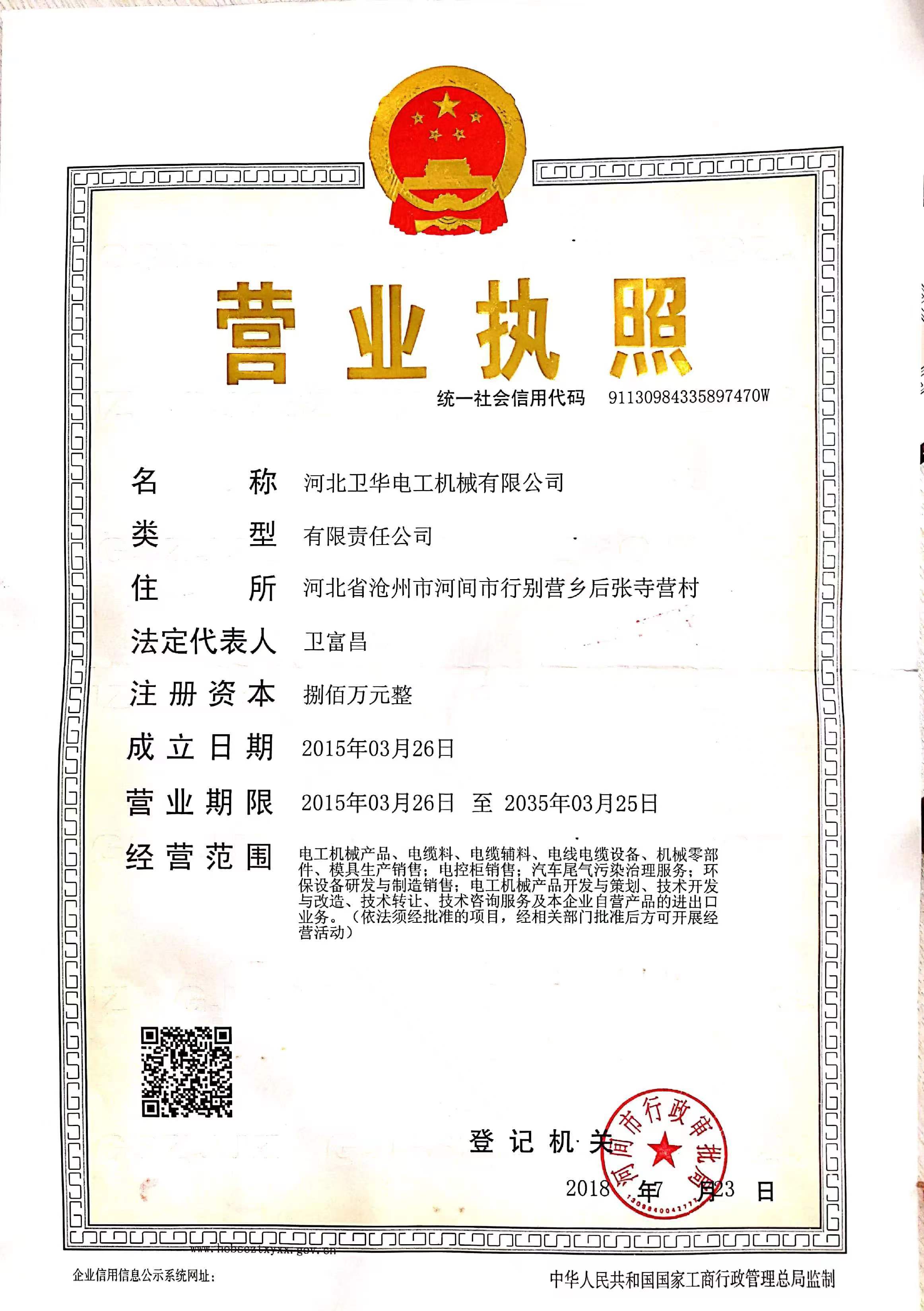
Weihua Electrical Machinery is a professional manufacturer of electrical machinery products integrating design, production, sales and service.




Understanding Rubber Extruders: A Key Component in Electrical Wire and Cable Manufacturing
2026-08-26 09:10

One of the primary functions of a rubber extruder is to create insulation for electrical wires. Insulation plays a vital role in preventing electrical leakage, protecting against short circuits, and ensuring the safety of electrical installations. Rubber, due to its excellent dielectric properties, flexibility, and resilience, is a preferred material for wire insulation. By using a rubber extruder, manufacturers can achieve uniform thickness and consistent quality in their insulation products, which are essential for reliable and long-lasting electrical performance.
Moreover, rubber extruders contribute to the production of various cable sheaths and jackets. These components not only provide additional protection against environmental factors like moisture, chemicals, and abrasion but also enhance the mechanical strength of the cables. The ability to customize the rubber blend used in the extrusion process allows manufacturers to tailor the properties of the insulation and jackets for specific applications, such as low-temperature environments or high-voltage situations.
Efficiency is another significant advantage of rubber extruders in the manufacturing process. Modern extruders are equipped with advanced control systems that monitor and adjust parameters such as temperature, pressure, and speed to optimize production rates while maintaining quality. This level of precision minimizes material waste and reduces energy consumption, contributing to a more sustainable manufacturing process.
In addition to their technical capabilities, rubber extruders are designed with user-friendliness in mind. Many models are equipped with features that facilitate easy maintenance and quick changeovers between different production runs. This adaptability is essential in a competitive market where manufacturers must respond swiftly to changing customer demands and specifications.
Finally, it is important for manufacturers in the electrical wire and cable industry to stay updated on advancements in rubber extrusion technology. Innovations such as improved die designs, enhanced material formulations, and automated processes can significantly impact production efficiency and product quality. By investing in the latest rubber extruder technology, companies can enhance their competitive edge and ensure that they meet the evolving needs of their customers.
In summary, rubber extruders are a vital component in the production of electrical wires and cables, providing essential insulation and protection while improving manufacturing efficiency. Understanding the capabilities and advantages of rubber extruders can aid manufacturers in optimizing their processes and delivering high-quality electrical products.
Understanding Rubber Extruders: A Key Component in Electrical Wire and Cable Manufacturing
recommend reading
Cold Feed Rubber Extruders vs. Hot Feed: Which is Better for Cable Manufacturing?
Cold Feed Rubber Extruders vs. Hot Feed: Which is Better for Cable Manufacturing? In the cable manufacturing industry, selecting the right rubber extruder is critical for producing high-quality cables that meet stringent market demands. Among the various types of extruders, **cold feed** and **hot feed rubber extruders** stand out due to their unique advantages and drawbacks. This article will del
Understanding Rubber Extruders: A Key Component in Electrical Wire and Cable Manufacturing
In the electrical wire and cable manufacturing industry, the utilization of rubber extruders is crucial for producing insulated and coated wires that meet stringent safety standards. A rubber extruder is a machine designed to transform raw rubber materials into specific shapes and sizes through a process known as extrusion. This process involves forcing the rubber through a die, resulting in a con
Investing in Technology: Upgrading Your Cable Production Line for Enhanced Efficiency and Quality
Investing in Technology: Upgrading Your Cable Production Line for Enhanced Efficiency and Quality Table of Contents 1. Introduction to Cable Manufacturing Technology 2. Importance of Upgrading Your Cable Production Line 3. Current Trends in Cable Manufacturing Technology 4. Key Technologies for Upgrading Your Cable Production Line 4.1 Automation in Cable Produ
Understanding Plastic Extruders: A Key Component in Electrical Cable Manufacturing
Plastic extruders are essential machines in the manufacturing processes of various products, notably in the electrical cable sector. These machines work by melting plastic material and forcing it through a die to create specific shapes and forms. In the context of electrical cables, plastic extruders are primarily used to produce insulation and sheathing materials that cover and protect the conduc
How to Maintain Your Wire and Cable Extrusion Production Line for Longevity
How to Maintain Your Wire and Cable Extrusion Production Line for Longevity Maintaining a wire and cable extrusion production line is crucial for ensuring its longevity and operational efficiency. In this comprehensive guide, we will delve into various aspects of maintenance that are essential for keeping your extrusion line in top condition. From regular inspections to preventive measures, we wil
Understanding Cold Feed Rubber Extruders: A Key Component in Wire and Cable Manufacturing
Cold feed rubber extruders are vital machinery in the field of electrical wiring and cable manufacturing, enabling the effective processing of rubber compounds to produce high-quality insulation and sheathing materials. These machines operate on a principle that differs significantly from traditional hot feed extruders, allowing for the direct feeding of uncured rubber into the extruder without th