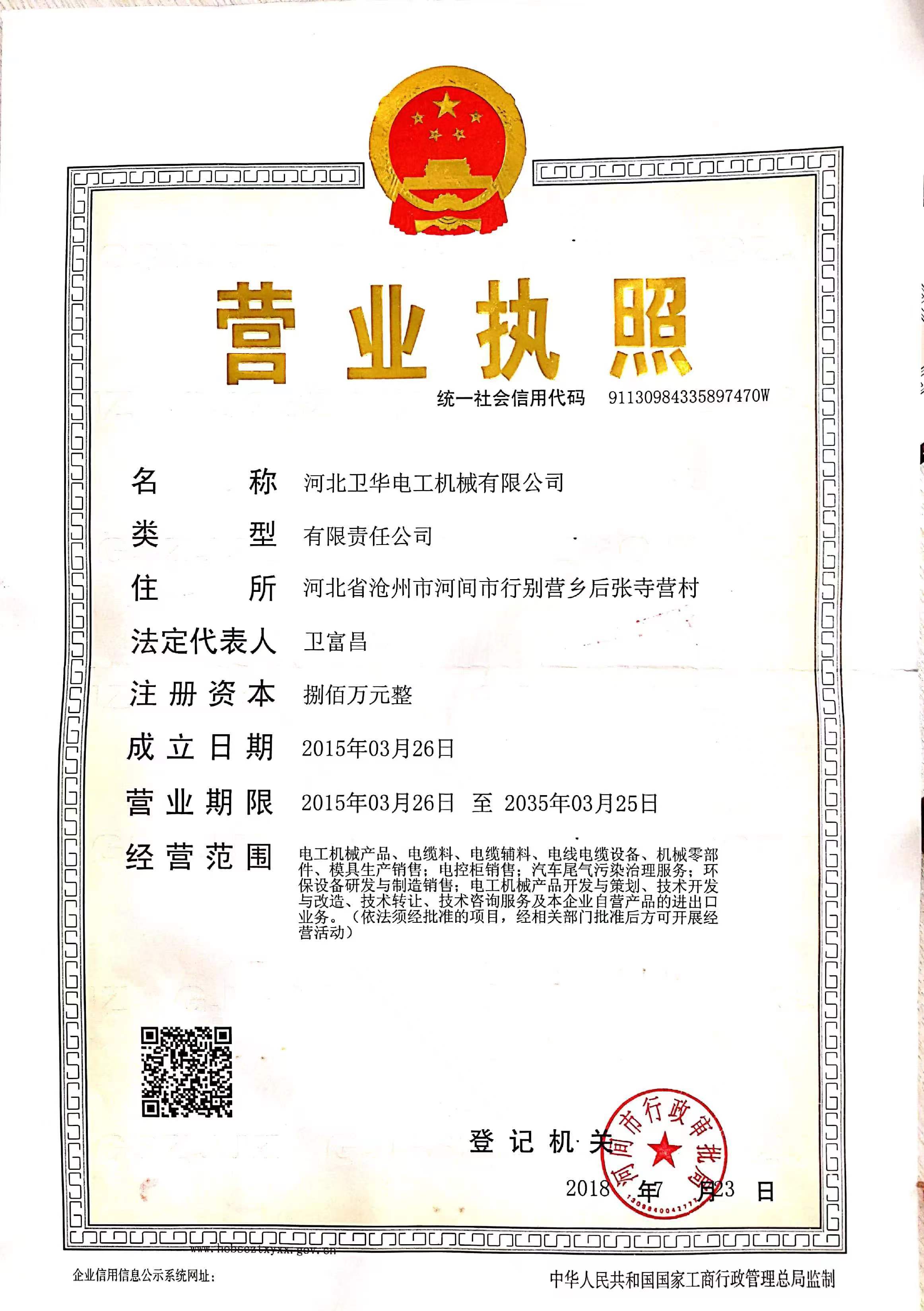
Weihua Electrical Machinery is a professional manufacturer of electrical machinery products integrating design, production, sales and service.




Understanding Plastic Extruders: A Key Component in Electrical Cable Manufacturing
2026-08-12 09:30

The operation of a plastic extruder begins with the feeding of raw plastic pellets into a hopper. From there, the material is transported through a heated barrel where it is melted. This melting process is critical as it ensures that the plastic achieves the correct viscosity for shaping. Once melted, the plastic is pushed through a die, which determines the final shape of the extruded product. In cable manufacturing, this typically involves creating tubes or coatings that fit snugly around the electrical conductors.
One of the significant advantages of using plastic extruders in electrical cable production is the ability to customize the properties of the final product. By altering the type of plastic used or modifying the extrusion process, manufacturers can produce cables with specific thermal, electrical, and mechanical properties. This customization is vital for creating cables that can withstand various environmental conditions and comply with industry standards.
Moreover, plastic extruders contribute to efficiency in the manufacturing process. They allow for continuous production, which minimizes waste and reduces labor costs. This efficiency is particularly important in the competitive electrical cable market, where manufacturers strive to optimize both production speed and material use.
Understanding the operation and benefits of plastic extruders can provide valuable insights for businesses in the electrical industry. By selecting the right extruder technology and optimizing the extrusion process, manufacturers can enhance the quality of their cables while improving overall production rates. Additionally, as technology advances, innovations in extruder design and operation continue to emerge, offering new opportunities for efficiency gains and product enhancements.
In conclusion, plastic extruders are a fundamental component in the production of electrical cables. Their ability to melt, shape, and customize plastic materials plays a crucial role in determining the performance and reliability of cables used in various applications. As the industry evolves, keeping abreast of developments in extrusion technology will be essential for manufacturers aiming to maintain a competitive edge.
Understanding Plastic Extruders: A Key Component in Electrical Cable Manufacturing
recommend reading
Cold Feed Rubber Extruders vs. Hot Feed: Which is Better for Cable Manufacturing?
Cold Feed Rubber Extruders vs. Hot Feed: Which is Better for Cable Manufacturing? In the cable manufacturing industry, selecting the right rubber extruder is critical for producing high-quality cables that meet stringent market demands. Among the various types of extruders, **cold feed** and **hot feed rubber extruders** stand out due to their unique advantages and drawbacks. This article will del
Understanding Rubber Extruders: A Key Component in Electrical Wire and Cable Manufacturing
In the electrical wire and cable manufacturing industry, the utilization of rubber extruders is crucial for producing insulated and coated wires that meet stringent safety standards. A rubber extruder is a machine designed to transform raw rubber materials into specific shapes and sizes through a process known as extrusion. This process involves forcing the rubber through a die, resulting in a con
Investing in Technology: Upgrading Your Cable Production Line for Enhanced Efficiency and Quality
Investing in Technology: Upgrading Your Cable Production Line for Enhanced Efficiency and Quality Table of Contents 1. Introduction to Cable Manufacturing Technology 2. Importance of Upgrading Your Cable Production Line 3. Current Trends in Cable Manufacturing Technology 4. Key Technologies for Upgrading Your Cable Production Line 4.1 Automation in Cable Produ
Understanding Plastic Extruders: A Key Component in Electrical Cable Manufacturing
Plastic extruders are essential machines in the manufacturing processes of various products, notably in the electrical cable sector. These machines work by melting plastic material and forcing it through a die to create specific shapes and forms. In the context of electrical cables, plastic extruders are primarily used to produce insulation and sheathing materials that cover and protect the conduc
How to Maintain Your Wire and Cable Extrusion Production Line for Longevity
How to Maintain Your Wire and Cable Extrusion Production Line for Longevity Maintaining a wire and cable extrusion production line is crucial for ensuring its longevity and operational efficiency. In this comprehensive guide, we will delve into various aspects of maintenance that are essential for keeping your extrusion line in top condition. From regular inspections to preventive measures, we wil
Understanding Cold Feed Rubber Extruders: A Key Component in Wire and Cable Manufacturing
Cold feed rubber extruders are vital machinery in the field of electrical wiring and cable manufacturing, enabling the effective processing of rubber compounds to produce high-quality insulation and sheathing materials. These machines operate on a principle that differs significantly from traditional hot feed extruders, allowing for the direct feeding of uncured rubber into the extruder without th