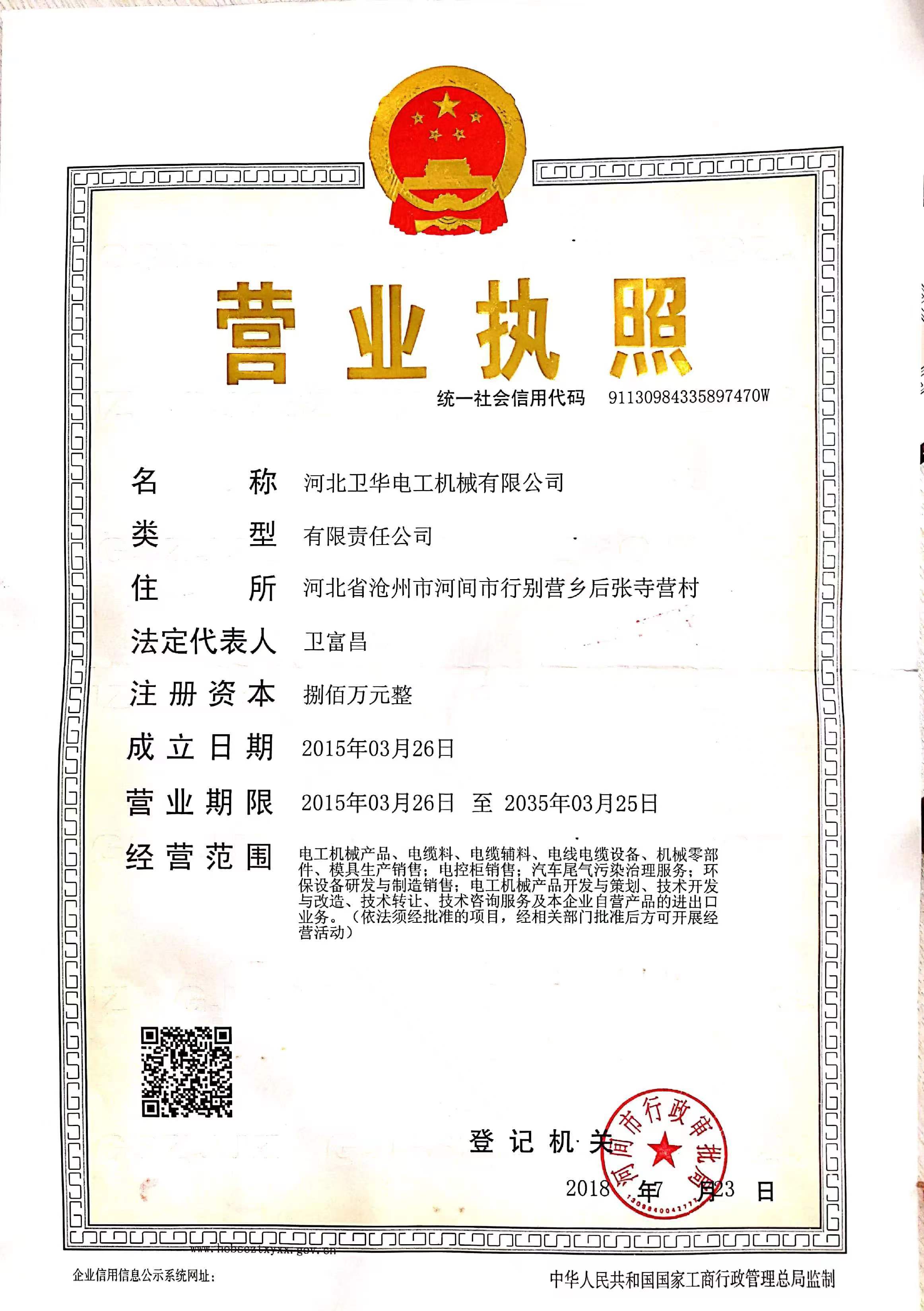
Weihua Electrical Machinery is a professional manufacturer of electrical machinery products integrating design, production, sales and service.




Investing in Technology: Upgrading Your Cable Production Line for Enhanced Efficiency and Quality
2026-08-19 09:10

Investing in Technology: Upgrading Your Cable Production Line for Enhanced Efficiency and Quality
Table of Contents
- 1. Introduction to Cable Manufacturing Technology
- 2. Importance of Upgrading Your Cable Production Line
- 3. Current Trends in Cable Manufacturing Technology
- 4. Key Technologies for Upgrading Your Cable Production Line
- 4.1 Automation in Cable Production
- 4.2 Data Analysis and IoT Integration
- 4.3 Advanced Materials and Manufacturing Techniques
- 5. Cost-Benefit Analysis of Upgrading
- 6. Implementation Strategies for Technology Upgrades
- 7. The Future of Cable Manufacturing Technology
- 8. Frequently Asked Questions
- 9. Conclusion
1. Introduction to Cable Manufacturing Technology
In today's fast-paced manufacturing environment, the **cable production industry** must adapt to remain viable. Investing in advanced technology not only streamlines operations but also enhances product quality. As we delve deeper into the necessity of upgrading your cable production line, we will uncover the myriad of benefits technology brings to this sector.
2. Importance of Upgrading Your Cable Production Line
Upgrading your cable production line can significantly influence your **operational efficiency** and **product quality**. Here are several reasons why these upgrades are crucial:
- **Increased Efficiency**: Modern technologies enable faster production speeds and reduce downtime. By automating repetitive tasks, manufacturers can focus on more complex operations.
- **Enhanced Quality Control**: Advanced monitoring systems facilitate real-time quality assessments, ensuring that each product meets the highest standards.
- **Reduced Operational Costs**: Energy-efficient machines and optimized production processes can lead to substantial cost savings over time.
- **Sustainability**: Using eco-friendly materials and energy-efficient processes aligns with global sustainability goals, appealing to a broader market.
3. Current Trends in Cable Manufacturing Technology
Understanding current trends can help manufacturers make informed decisions about which technologies to adopt. Some notable trends include:
- **Smart Manufacturing**: The integration of IoT (Internet of Things) devices allows for interconnected machines that communicate and optimize production.
- **Sustainable Practices**: Many manufacturers are shifting toward sustainable materials and processes to meet regulatory standards and consumer demand.
- **Customization**: Technology facilitates the production of customized cable solutions, catering to specific client needs.
4. Key Technologies for Upgrading Your Cable Production Line
Investing in the right technologies can transform your cable production line. In this section, we will explore three key technologies that can significantly enhance your manufacturing capabilities.
4.1 Automation in Cable Production
Automation is a game-changer in cable production. By integrating automated machinery, manufacturers can achieve:
- **High Precision**: Automated systems reduce human error, leading to higher precision in cable manufacturing.
- **Faster Production Rates**: With automated processes, production rates can increase significantly, enabling manufacturers to meet demand efficiently.
- **Workforce Optimization**: Automation allows skilled workers to focus on advanced tasks, improving overall workforce productivity.
4.2 Data Analysis and IoT Integration
The integration of data analysis and IoT technologies provides manufacturers with critical insights into their production processes. Key benefits include:
- **Real-Time Monitoring**: IoT sensors can monitor machinery performance and predict maintenance needs, preventing costly downtimes.
- **Data-Driven Decisions**: Analyzing production data helps identify trends, inefficiencies, and areas for improvement.
- **Enhanced Supply Chain Management**: Data analytics can optimize inventory levels, ensuring that materials are available when needed without overstocking.
4.3 Advanced Materials and Manufacturing Techniques
The development of advanced materials offers numerous advantages in cable manufacturing. Consider the following:
- **Improved Durability**: New materials can enhance the durability and lifespan of cables, making them suitable for more demanding applications.
- **Better Performance**: Enhanced conductivity and insulation properties lead to better overall performance in electrical applications.
- **Lightweight Solutions**: Advanced materials can reduce the weight of cables, making them easier to handle and install.
5. Cost-Benefit Analysis of Upgrading
Investments in technology often require a thorough cost-benefit analysis. Assessing the financial implications can help determine whether an upgrade is feasible. Key factors to consider include:
- **Initial Investment Costs**: This includes the purchase price of new machinery and potential installation expenses.
- **Operational Savings**: Estimate the savings from reduced energy consumption, less waste, and lower labor costs.
- **Return on Investment (ROI)**: Analyze how quickly the benefits of the upgrades will outweigh the costs.
By conducting a thorough cost-benefit analysis, manufacturers can make informed decisions that align with their financial goals.
6. Implementation Strategies for Technology Upgrades
Implementing new technologies requires careful planning. Here are strategies to ensure a smooth transition:
- **Conduct a Needs Assessment**: Evaluate your current production line to identify areas needing improvement.
- **Engage Stakeholders**: Involve employees and other stakeholders in the planning process to gain insights and foster buy-in.
- **Phased Implementation**: Consider a phased approach to upgrades to minimize disruptions to ongoing operations.
- **Training Programs**: Invest in training for staff to ensure they can effectively operate new technologies.
7. The Future of Cable Manufacturing Technology
As technology continues to evolve, the future of cable manufacturing looks promising. Emerging trends to watch for include:
- **Artificial Intelligence (AI)**: AI can enhance decision-making, predictive maintenance, and quality control processes.
- **Blockchain for Supply Chain Transparency**: Utilizing blockchain technology can improve transparency and traceability in the supply chain.
- **Greater Focus on Sustainability**: Expect a continued push toward eco-friendly materials and energy-efficient practices as environmental concerns gain prominence.
8. Frequently Asked Questions
1. What are the primary benefits of upgrading my cable production line?
Upgrading can enhance efficiency, improve product quality, reduce operational costs, and support sustainable practices.
2. How do I choose the right technology for my manufacturing needs?
Conduct a needs assessment of your current production line and consider factors like efficiency, cost, and future scalability.
3. How can automation impact my workforce?
While automation can streamline operations, it may also enable skilled workers to focus on more complex tasks, enhancing overall productivity.
4. What role does data analytics play in cable manufacturing?
Data analytics can optimize production processes, facilitate real-time monitoring, and support data-driven decision-making.
5. How can I ensure a smooth implementation of new technology?
Engage stakeholders, conduct a needs assessment, and consider phased implementation along with comprehensive training programs.
9. Conclusion
Upgrading your cable production line through strategic investments in technology is no longer an option but a necessity. The evolving landscape of the electrical industry demands that manufacturers adapt to maintain competitiveness, enhance efficiency, and improve product quality. By embracing automation, data analysis, and advanced materials, we can ensure our production processes are robust, sustainable, and well-positioned for future growth. Investing in technology today will pave the way for a more efficient, innovative, and successful cable manufacturing operation tomorrow.
Investing in Technology: Upgrading Your Cable Production Line for Enhanced Efficiency and Quality
recommend reading
Cold Feed Rubber Extruders vs. Hot Feed: Which is Better for Cable Manufacturing?
Cold Feed Rubber Extruders vs. Hot Feed: Which is Better for Cable Manufacturing? In the cable manufacturing industry, selecting the right rubber extruder is critical for producing high-quality cables that meet stringent market demands. Among the various types of extruders, **cold feed** and **hot feed rubber extruders** stand out due to their unique advantages and drawbacks. This article will del
Understanding Rubber Extruders: A Key Component in Electrical Wire and Cable Manufacturing
In the electrical wire and cable manufacturing industry, the utilization of rubber extruders is crucial for producing insulated and coated wires that meet stringent safety standards. A rubber extruder is a machine designed to transform raw rubber materials into specific shapes and sizes through a process known as extrusion. This process involves forcing the rubber through a die, resulting in a con
Investing in Technology: Upgrading Your Cable Production Line for Enhanced Efficiency and Quality
Investing in Technology: Upgrading Your Cable Production Line for Enhanced Efficiency and Quality Table of Contents 1. Introduction to Cable Manufacturing Technology 2. Importance of Upgrading Your Cable Production Line 3. Current Trends in Cable Manufacturing Technology 4. Key Technologies for Upgrading Your Cable Production Line 4.1 Automation in Cable Produ
Understanding Plastic Extruders: A Key Component in Electrical Cable Manufacturing
Plastic extruders are essential machines in the manufacturing processes of various products, notably in the electrical cable sector. These machines work by melting plastic material and forcing it through a die to create specific shapes and forms. In the context of electrical cables, plastic extruders are primarily used to produce insulation and sheathing materials that cover and protect the conduc
How to Maintain Your Wire and Cable Extrusion Production Line for Longevity
How to Maintain Your Wire and Cable Extrusion Production Line for Longevity Maintaining a wire and cable extrusion production line is crucial for ensuring its longevity and operational efficiency. In this comprehensive guide, we will delve into various aspects of maintenance that are essential for keeping your extrusion line in top condition. From regular inspections to preventive measures, we wil
Understanding Cold Feed Rubber Extruders: A Key Component in Wire and Cable Manufacturing
Cold feed rubber extruders are vital machinery in the field of electrical wiring and cable manufacturing, enabling the effective processing of rubber compounds to produce high-quality insulation and sheathing materials. These machines operate on a principle that differs significantly from traditional hot feed extruders, allowing for the direct feeding of uncured rubber into the extruder without th