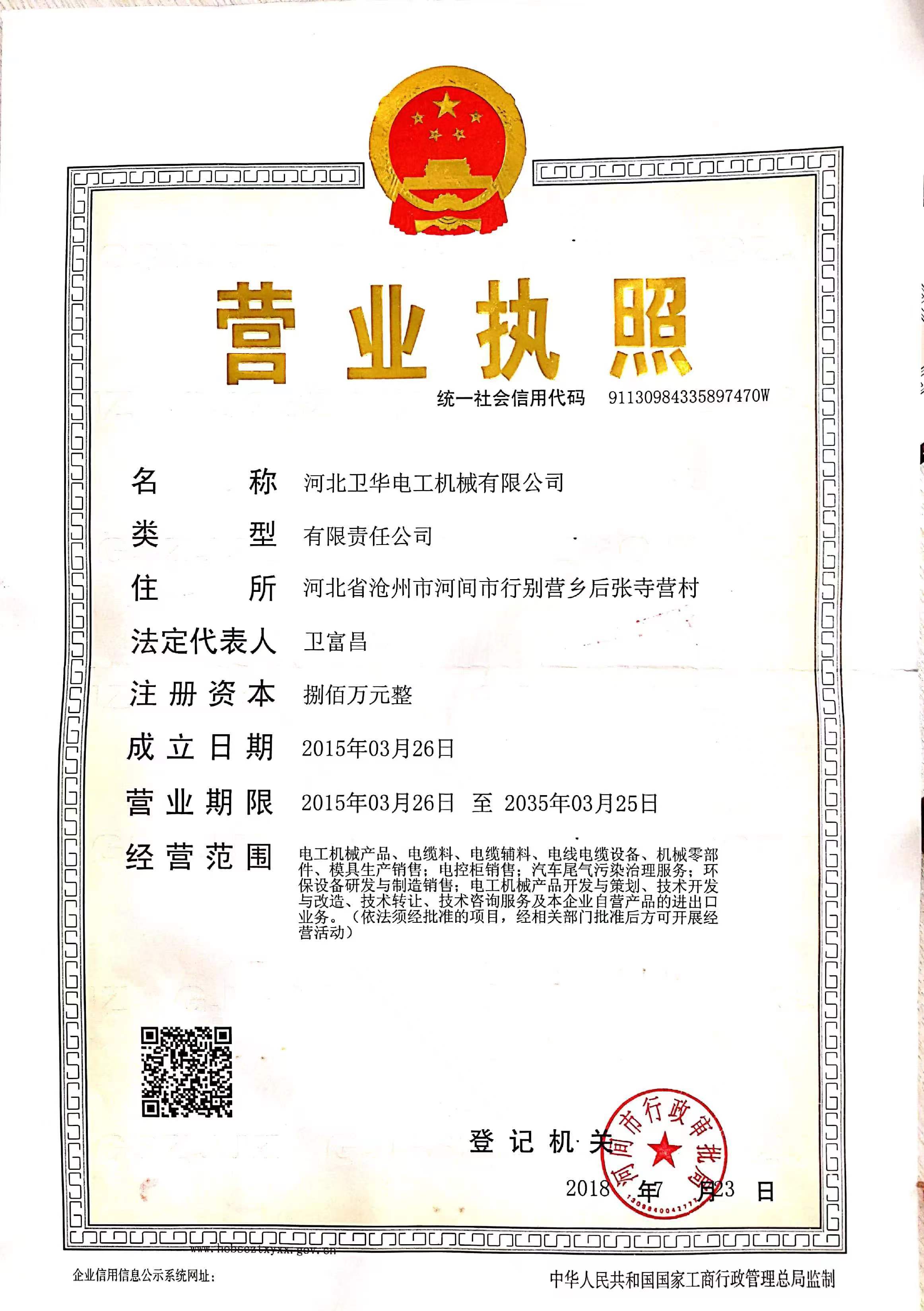
Weihua Electrical Machinery is a professional manufacturer of electrical machinery products integrating design, production, sales and service.




Rubber Extruder
2025-06-03 14:24

A rubber extruder is a remarkable piece of machinery that has revolutionized the rubber - processing industry. It serves as a fundamental tool for converting raw rubber materials into a variety of useful products.
The working principle of a rubber extruder is based on the continuous and controlled movement of rubber through a specially designed barrel. At the heart of the extruder is a screw, which rotates within the barrel. As the screw turns, it grabs the rubber and gradually forces it towards the end of the barrel. The rubber is subjected to both pressure and shear forces during this process. These forces cause the rubber to become more pliable and easier to shape.

The construction of a rubber extruder is of utmost importance. High - quality materials are used to ensure its durability and performance. The barrel is typically made of a strong metal alloy that can withstand the high pressures generated during extrusion. The screw is also carefully engineered, with its pitch and diameter optimized to achieve the best results. The surface finish of the barrel and the screw is crucial as it affects the friction between the rubber and the components. A smooth surface helps in reducing energy consumption and preventing the rubber from sticking.
The rubber extruder also has a heating system. Different types of rubber have different optimal processing temperatures. By heating the barrel, the rubber can be softened to the appropriate consistency for extrusion. This heating is carefully controlled to maintain a consistent temperature throughout the extrusion process. If the temperature is too high or too low, it can lead to problems such as incomplete mixing or poor product quality.
In addition to the basic components, modern rubber extruders are often equipped with advanced features. For example, some have sensors that can monitor the pressure, temperature, and flow rate of the rubber. This data can be used to adjust the operation of the extruder in real - time, ensuring that the final product meets the required specifications.
The applications of rubber extruders are diverse. They are used to produce a wide range of products, including rubber hoses, seals, gaskets, and various types of profiles. The ability to precisely control the shape and size of the extruded product makes the rubber extruder an invaluable asset in the manufacturing of rubber - based goods. Whether it is for the automotive industry, construction, or other sectors, the rubber extruder plays a vital role in meeting the demand for high - quality rubber products.
Rubber Extruder
recommend reading
Key Features to Look for in a Cold Feed Rubber Extruder for Electrical Wiring
Key Features to Look for in a Cold Feed Rubber Extruder for Electrical Wiring Understanding Cold Feed Rubber Extruders Cold feed rubber extruders play a crucial role in the manufacturing of electrical wiring. These machines process raw rubber materials into various forms, ensuring they meet specific standards for electrical applications. Understanding the key features of cold feed rubber extruders
Understanding Rubber Extruders: Key Insights for the Electrical Industry
In the electrical and cable industry, the rubber extruder plays a pivotal role in the manufacturing process, particularly when it comes to producing insulation and jacketing for wires and cables. A rubber extruder is a machine that shapes rubber materials into specific profiles or forms by forcing them through a die. Understanding the fundamentals of rubber extruders can significantly enhance oper
The Essential Guide to Cable Types in Production Lines
The Essential Guide to Cable Types in Production Lines Table of Contents Introduction to Cable Types in Production Lines Understanding Different Types of Cables Single-Core vs. Multi-Core Cables: Which Is Right for You? Types of Cables Commonly Used in Production Lines Power Cables Control Cables Data Cables Specialty Cables
The Essential Role of Plastic Extruders in Cable Manufacturing
Plastic extruders play a pivotal role in the modern manufacturing of electrical wires and cables, particularly in the creation of insulation and protective coatings that ensure durability and performance. These machines are designed to melt plastic pellets and then force the molten material through a die to create continuous shapes, making them indispensable in the production of various cable comp
Comparative Analysis: Different Types of Wire and Cable Extrusion Production Lines
Comparative Analysis: Different Types of Wire and Cable Extrusion Production Lines Introduction to Wire and Cable Extrusion Extrusion is a critical process in the production of wires and cables. This procedure involves forcing molten material through a die to create a continuous product with a fixed cross-sectional profile. In the context of the electrical industry, wires and cables are pivotal fo
Understanding Cold Feed Rubber Extruders: A Key Component in Electrical Wire and Cable Manufacturing
In the realm of electrical wire and cable manufacturing, the cold feed rubber extruder stands out as a pivotal technology. This specialized piece of equipment is designed to process rubber compounds at ambient temperatures, offering several advantages over traditional extrusion methods. Understanding the functionality and benefits of cold feed rubber extruders can help manufacturers optimize their