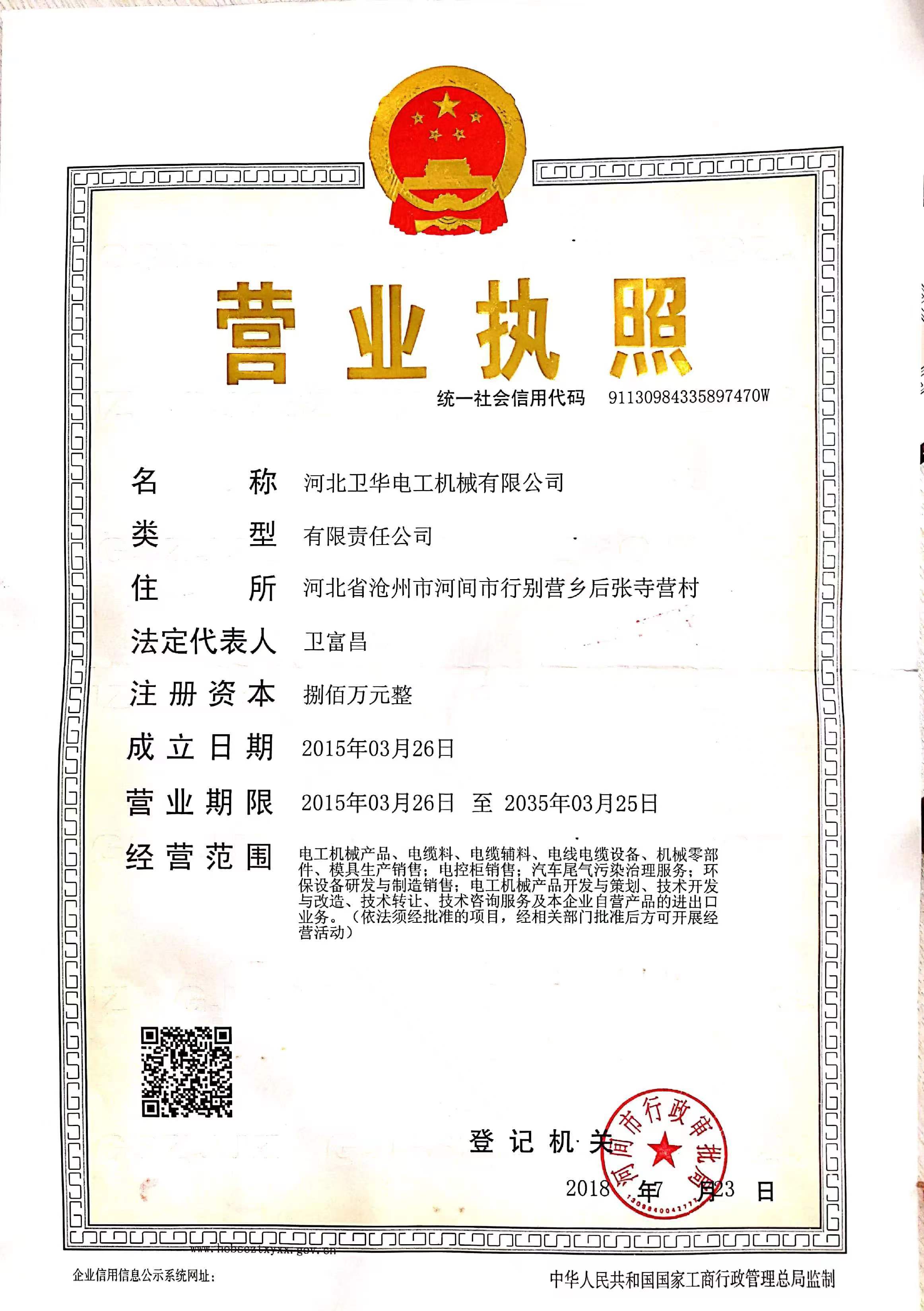
Weihua Electrical Machinery is a professional manufacturer of electrical machinery products integrating design, production, sales and service.




Cold feed rubber extruder factory
2025-11-03 10:25

The Advantages of Cold Feed Rubber Extruders in Modern Manufacturing
The cold feed rubber extruder has become a fundamental piece of equipment in the rubber processing industry, revolutionizing how various rubber profiles are manufactured. Unlike its predecessor, the hot feed extruder, this machine processes rubber compound that is at room temperature. This fundamental characteristic brings forth a host of benefits that enhance product quality, operational efficiency, and overall production flexibility. The adoption of the cold feed rubber extruder is widely seen as a step forward in achieving more consistent and cost-effective manufacturing outcomes for a diverse range of rubber products.
A significant advantage of the cold feed rubber extruder is the superior quality and consistency of the final extruded product. The machine is designed to homogenize and plasticize the rubber compound within the barrel itself, thanks to its longer L/D (length-to-diameter) ratio. This intensive mixing action ensures a uniform temperature and viscosity profile throughout the material before it is pushed through the die. Consequently, products emerging from a cold feed rubber extruder exhibit excellent dimensional stability, smooth surface finish, and minimal risk of porosity, which are critical specifications for industries like automotive and construction.
When it comes to operational efficiency and energy savings, the cold feed rubber extruder presents notable benefits. By eliminating the pre-heating step required for hot feed systems, it simplifies the production workflow and reduces energy consumption directly at that stage. Furthermore, the precise temperature control systems within a modern cold feed rubber extruder prevent excessive heat generation during processing, leading to lower overall power usage. This streamlined process not only cuts down on electricity costs but also contributes to a more sustainable manufacturing operation by reducing the carbon footprint associated with production.
In conclusion, the cold feed rubber extruder stands as a testament to progress in rubber processing technology. Its ability to produce high-quality, consistent profiles while promoting energy efficiency and offering remarkable operational flexibility makes it a preferred choice for many manufacturers. The integration capabilities of the cold feed rubber extruder with downstream equipment further solidify its role as a cornerstone in the production of a vast range of rubber goods, from simple seals and gaskets to complex automotive profiles.
Cold feed rubber extruder factory
recommend reading
Key Features to Look for in a Cold Feed Rubber Extruder for Electrical Wiring
Key Features to Look for in a Cold Feed Rubber Extruder for Electrical Wiring Understanding Cold Feed Rubber Extruders Cold feed rubber extruders play a crucial role in the manufacturing of electrical wiring. These machines process raw rubber materials into various forms, ensuring they meet specific standards for electrical applications. Understanding the key features of cold feed rubber extruders
Understanding Rubber Extruders: Key Insights for the Electrical Industry
In the electrical and cable industry, the rubber extruder plays a pivotal role in the manufacturing process, particularly when it comes to producing insulation and jacketing for wires and cables. A rubber extruder is a machine that shapes rubber materials into specific profiles or forms by forcing them through a die. Understanding the fundamentals of rubber extruders can significantly enhance oper
The Essential Guide to Cable Types in Production Lines
The Essential Guide to Cable Types in Production Lines Table of Contents Introduction to Cable Types in Production Lines Understanding Different Types of Cables Single-Core vs. Multi-Core Cables: Which Is Right for You? Types of Cables Commonly Used in Production Lines Power Cables Control Cables Data Cables Specialty Cables
The Essential Role of Plastic Extruders in Cable Manufacturing
Plastic extruders play a pivotal role in the modern manufacturing of electrical wires and cables, particularly in the creation of insulation and protective coatings that ensure durability and performance. These machines are designed to melt plastic pellets and then force the molten material through a die to create continuous shapes, making them indispensable in the production of various cable comp
Comparative Analysis: Different Types of Wire and Cable Extrusion Production Lines
Comparative Analysis: Different Types of Wire and Cable Extrusion Production Lines Introduction to Wire and Cable Extrusion Extrusion is a critical process in the production of wires and cables. This procedure involves forcing molten material through a die to create a continuous product with a fixed cross-sectional profile. In the context of the electrical industry, wires and cables are pivotal fo
Understanding Cold Feed Rubber Extruders: A Key Component in Electrical Wire and Cable Manufacturing
In the realm of electrical wire and cable manufacturing, the cold feed rubber extruder stands out as a pivotal technology. This specialized piece of equipment is designed to process rubber compounds at ambient temperatures, offering several advantages over traditional extrusion methods. Understanding the functionality and benefits of cold feed rubber extruders can help manufacturers optimize their