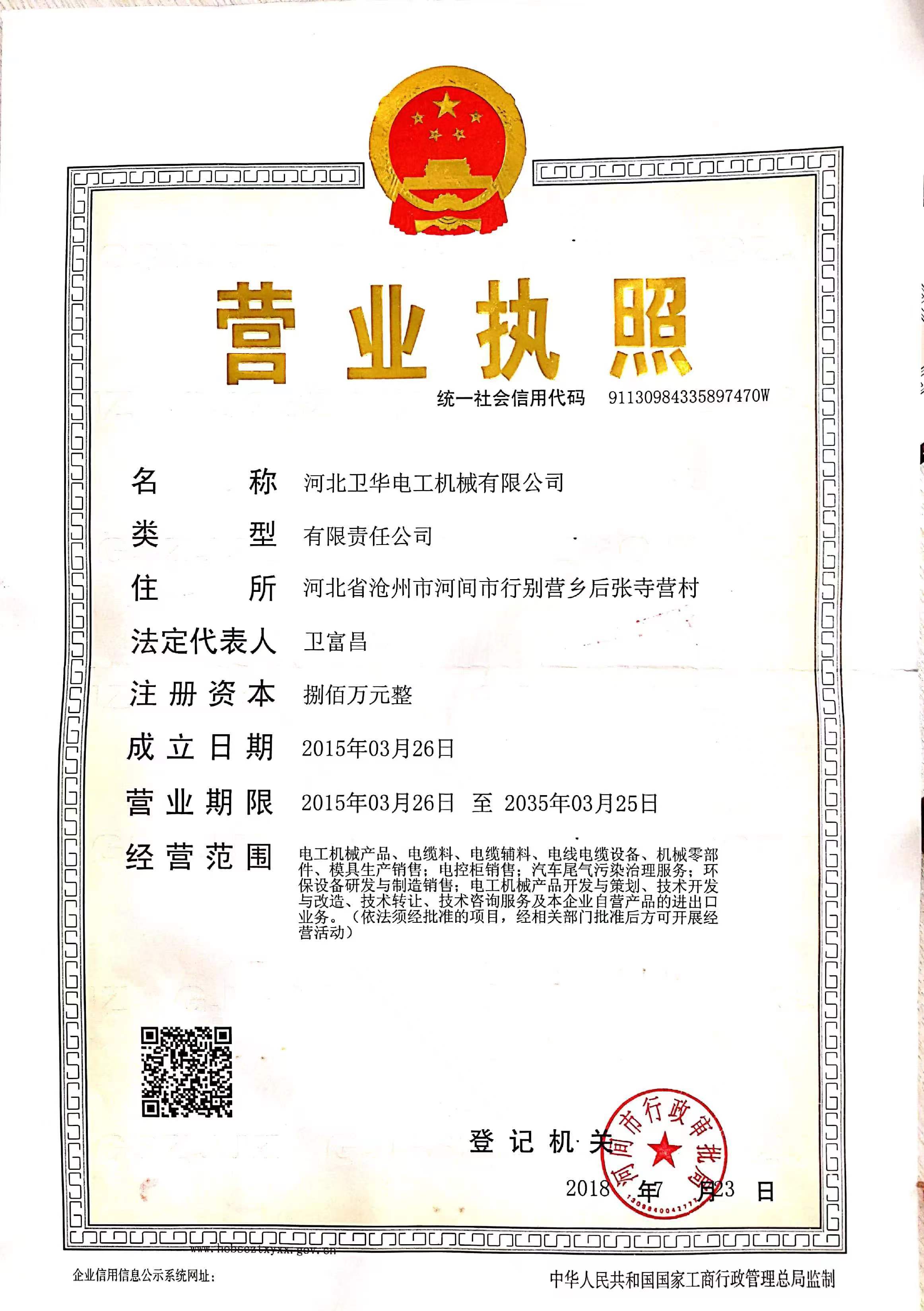
Weihua Electrical Machinery is a professional manufacturer of electrical machinery products integrating design, production, sales and service.




Understanding Different Types of Plastic Extruders for Electrical Applications
2025-09-30 09:11

Understanding Different Types of Plastic Extruders for Electrical Applications
In the dynamic field of electrical applications, the role of plastic extruders cannot be overstated. These machines are pivotal in producing wires and cables, which are essential components in various electrical systems. This article aims to provide a detailed exploration of the different types of plastic extruders, how they work, and their significance in the electrical industry. By the end of this comprehensive guide, you will have a solid understanding of what plastic extruders are best suited for your electrical needs.
Table of Contents
- Introduction to Plastic Extruders
- Types of Plastic Extruders Used in Electrical Applications
- Single Screw Extruders
- Twin Screw Extruders
- Co-Rotating Twin Screw Extruders
- Counter-Rotating Twin Screw Extruders
- Specialized Extruders for Niche Applications
- Applications of Plastic Extruders in Electrical Manufacturing
- Benefits of Using Plastic Extruders in Electrical Applications
- Choosing the Right Plastic Extruder for Your Project
- Maintenance and Care of Plastic Extruders
- Frequently Asked Questions
- Conclusion
Introduction to Plastic Extruders
Plastic extruders are pivotal machines in the manufacturing process, particularly for the electrical industry. These machines transform raw thermoplastic materials into finished products, such as electrical wires and cables, through a continuous extrusion process. Understanding the different types of plastic extruders is essential for anyone involved in electrical manufacturing. Each type of extruder has unique features and advantages that cater to specific needs in wire and cable production.
Types of Plastic Extruders Used in Electrical Applications
In the realm of electrical applications, various plastic extruders serve different purposes. The most common types include:
Single Screw Extruders
The single screw extruder is one of the most widely used types in the industry. It consists of a single rotating screw that conveys, melts, and shapes the plastic material. This type of extruder is ideal for processing materials with consistent flow characteristics, making it suitable for standard electrical wire insulation and sheathing applications.
Twin Screw Extruders
Twin screw extruders have two intermeshing screws that rotate in the same direction. This design enhances mixing capabilities, allowing for better dispersion of additives and fillers within the plastic. Twin screw extruders are particularly beneficial when working with complex formulations, such as those required for high-performance electrical cables.
Co-Rotating Twin Screw Extruders
Co-rotating twin screw extruders feature screws that rotate together in the same direction. This configuration improves material mixing and provides a more homogeneous melt. They are often used in applications requiring precise control over material properties, such as flame-retardant electrical cables.
Counter-Rotating Twin Screw Extruders
In contrast, counter-rotating twin screw extruders have screws that rotate in opposite directions. This design enhances the venting capabilities of the extruder, making it suitable for processing materials with higher moisture content. They are ideal for applications where specific material characteristics must be maintained, such as in the production of specialty electrical insulation materials.
Specialized Extruders for Niche Applications
Beyond the common types mentioned, specialized extruders cater to niche applications. These may include:
- **Multi-layer extruders** for producing multi-layer cables.
- **Sheet and film extruders** for producing insulation films.
- **Blown film extruders** for creating flexible insulated wires.
Applications of Plastic Extruders in Electrical Manufacturing
Plastic extruders play a vital role in various applications within the electrical industry:
Wire and Cable Manufacturing
Extruders are extensively used to produce insulation and sheathing for electrical wires and cables. The ability to create uniform thickness and consistent quality ensures that the end products meet industry standards and safety regulations.
Insulation Materials
In the production of insulation materials, extruders enable manufacturers to create products that provide excellent electrical insulation properties, essential for safety and performance in electrical applications.
Conductive Plastics
Plastic extruders can also be utilized to produce conductive plastics, which are increasingly used in electronic components. The precise mixing capabilities of twin screw extruders allow for the incorporation of conductive fillers into the plastic matrix.
Benefits of Using Plastic Extruders in Electrical Applications
Utilizing plastic extruders in electrical manufacturing offers several key benefits:
Efficiency and Speed
Plastic extruders streamline the production process by enabling continuous operation. This efficiency results in faster turnaround times and reduced labor costs, making it a cost-effective solution for manufacturers.
Quality Control
Extruders provide consistent product quality due to their ability to control temperatures, pressures, and material flow rates. This precision ensures that the electrical products meet the necessary specifications and standards.
Versatility
Plastic extruders can process a wide variety of materials, including different types of plastics and additives, making them adaptable for various applications in the electrical industry.
Choosing the Right Plastic Extruder for Your Project
Selecting the appropriate plastic extruder for your electrical projects involves considering several factors:
Material Compatibility
Ensure that the extruder you choose is compatible with the type of plastic materials you intend to use. Different materials may require specific temperature and pressure settings.
Production Volume
Assess your production volume requirements. High-volume production may necessitate more advanced extruder models, such as twin screw extruders, which provide superior mixing and processing capabilities.
Budget Constraints
Evaluate your budget. While advanced extruders offer enhanced capabilities, they also come with higher costs. Balance your production needs with your financial constraints to make an informed decision.
Maintenance and Care of Plastic Extruders
Maintaining your plastic extruder is critical to ensuring its longevity and optimal performance:
Regular Cleaning
Regularly clean the extruder to prevent material build-up and contamination. This maintenance will help ensure product quality and minimize downtime.
Routine Inspections
Conduct routine inspections of the extruder to identify wear and tear on components. Early detection of issues can prevent costly repairs and extended downtimes.
Lubrication
Proper lubrication of moving parts is essential to reduce friction and wear. Follow the manufacturer's guidelines for lubrication schedules and types of lubricants.
Frequently Asked Questions
1. What is the primary function of a plastic extruder?
The primary function of a plastic extruder is to convert raw thermoplastic materials into continuous shapes, such as wires and cables, through heating and shaping processes.
2. What types of plastic can be processed by extruders?
Extruders can process a wide range of thermoplastics, including PVC, polyethylene, polypropylene, and specialized compounds.
3. How does a twin screw extruder differ from a single screw extruder?
Twin screw extruders have two intermeshing screws that enhance mixing capabilities, whereas single screw extruders have one screw that conveys plastic through the extrusion process.
4. What are the common maintenance practices for plastic extruders?
Common maintenance practices include regular cleaning, routine inspections for wear and tear, and proper lubrication of moving parts.
5. How do I choose the right extruder for my needs?
Consider factors such as material compatibility, production volume, and budget constraints when selecting the appropriate extruder for your project.
Conclusion
Understanding the different types of plastic extruders and their applications in electrical manufacturing is crucial for anyone in the industry. From single screw to twin screw extruders, each type offers unique benefits that can enhance production efficiency and product quality. By choosing the right extruder for your electrical applications, you can improve your manufacturing process, ensure compliance with industry standards, and stay competitive in the marketplace. Investing in quality extruders and maintaining them properly will lead to long-term benefits, ultimately contributing to the success of your electrical projects.
Understanding Different Types of Plastic Extruders for Electrical Applications
recommend reading
Key Features to Look for in a Cold Feed Rubber Extruder for Electrical Wiring
Key Features to Look for in a Cold Feed Rubber Extruder for Electrical Wiring Understanding Cold Feed Rubber Extruders Cold feed rubber extruders play a crucial role in the manufacturing of electrical wiring. These machines process raw rubber materials into various forms, ensuring they meet specific standards for electrical applications. Understanding the key features of cold feed rubber extruders
Understanding Rubber Extruders: Key Insights for the Electrical Industry
In the electrical and cable industry, the rubber extruder plays a pivotal role in the manufacturing process, particularly when it comes to producing insulation and jacketing for wires and cables. A rubber extruder is a machine that shapes rubber materials into specific profiles or forms by forcing them through a die. Understanding the fundamentals of rubber extruders can significantly enhance oper
The Essential Guide to Cable Types in Production Lines
The Essential Guide to Cable Types in Production Lines Table of Contents Introduction to Cable Types in Production Lines Understanding Different Types of Cables Single-Core vs. Multi-Core Cables: Which Is Right for You? Types of Cables Commonly Used in Production Lines Power Cables Control Cables Data Cables Specialty Cables
The Essential Role of Plastic Extruders in Cable Manufacturing
Plastic extruders play a pivotal role in the modern manufacturing of electrical wires and cables, particularly in the creation of insulation and protective coatings that ensure durability and performance. These machines are designed to melt plastic pellets and then force the molten material through a die to create continuous shapes, making them indispensable in the production of various cable comp
Comparative Analysis: Different Types of Wire and Cable Extrusion Production Lines
Comparative Analysis: Different Types of Wire and Cable Extrusion Production Lines Introduction to Wire and Cable Extrusion Extrusion is a critical process in the production of wires and cables. This procedure involves forcing molten material through a die to create a continuous product with a fixed cross-sectional profile. In the context of the electrical industry, wires and cables are pivotal fo
Understanding Cold Feed Rubber Extruders: A Key Component in Electrical Wire and Cable Manufacturing
In the realm of electrical wire and cable manufacturing, the cold feed rubber extruder stands out as a pivotal technology. This specialized piece of equipment is designed to process rubber compounds at ambient temperatures, offering several advantages over traditional extrusion methods. Understanding the functionality and benefits of cold feed rubber extruders can help manufacturers optimize their