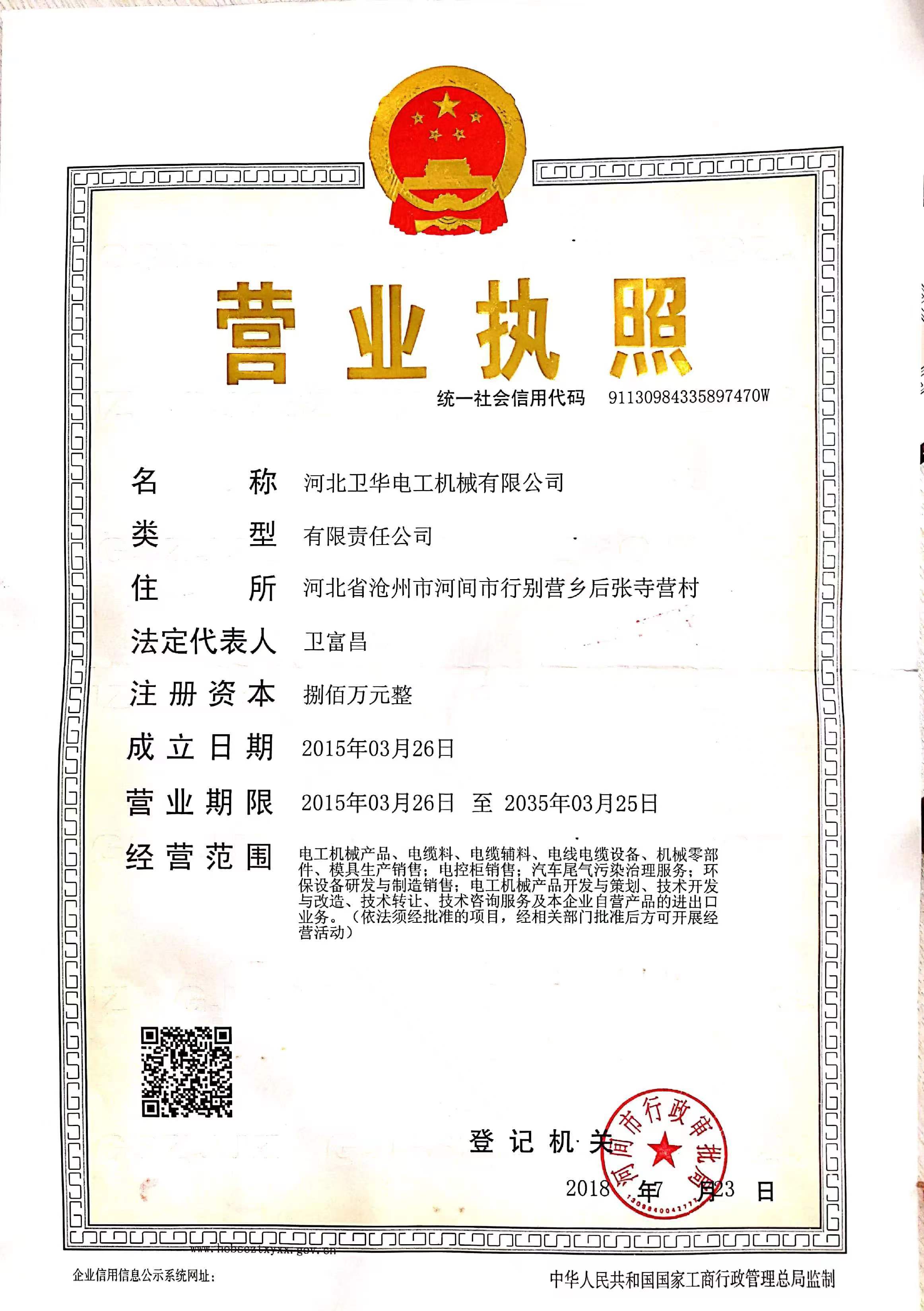
Weihua Electrical Machinery is a professional manufacturer of electrical machinery products integrating design, production, sales and service.




Cold Feed Rubber Extruders: A Revolutionary Advantage for Wire and Cable Manufacturers
2025-09-16 10:10

Cold Feed Rubber Extruders: A Revolutionary Advantage for Wire and Cable Manufacturers
Table of Contents
- 1. Introduction to Cold Feed Rubber Extruders
- 2. What Are Cold Feed Rubber Extruders?
- 3. Working Principle of Cold Feed Rubber Extruders
- 4. Advantages of Cold Feed Rubber Extruders
- 5. Applications in Wire and Cable Manufacturing
- 6. Technological Advancements in Extrusion
- 7. The Future of Wire and Cable Manufacturing with Cold Feed Rubber Extruders
- 8. Frequently Asked Questions
- 9. Conclusion
1. Introduction to Cold Feed Rubber Extruders
The landscape of wire and cable manufacturing is undergoing a significant transformation, driven by technological advancements. Among these innovations, **Cold Feed Rubber Extruders** are gaining traction as indispensable tools for manufacturers. These machines not only enhance production capabilities but also improve the overall quality of the products being produced. This article delves into the intricacies of cold feed rubber extruders and how they are revolutionizing the wire and cable industry.
2. What Are Cold Feed Rubber Extruders?
Cold feed rubber extruders are specialized machines designed to process rubber and other thermoplastic materials at relatively low temperatures. Unlike traditional hot feed extruders, which rely on heating to process the material, cold feed extruders utilize a unique mechanism to ensure that the rubber remains in a more stable state. This stability allows for better control over the material's properties, resulting in higher quality outputs.
These extruders are equipped with a feed system that allows for the continuous input of raw materials. The rubber is fed into the extruder barrel, where it is mixed, shaped, and ultimately formed into the desired product without the need for excessive heat. This process is particularly beneficial for manufacturing wires and cables that require specific properties for effective performance.
3. Working Principle of Cold Feed Rubber Extruders
The operation of cold feed rubber extruders can be broken down into several key stages:
1. **Material Feeding**: Raw rubber materials, along with any additives, are introduced into the extruder through a hopper. The feed mechanism ensures a consistent and controlled flow of material into the extrusion chamber.
2. **Mixing and Shearing**: Inside the extrusion chamber, the rubber undergoes mixing and shearing as it is pushed through the extruder screw. The design of the screw aids in the thorough mixing of the material, ensuring uniformity in the final product.
3. **Shaping and Forming**: As the rubber moves through the barrel, it is shaped into the desired profile, such as wires or cables. The die at the end of the extruder plays a crucial role in determining the final shape and dimensions of the extruded product.
4. **Cooling and Cutting**: The extruded product is cooled, typically using air or water, before being cut into appropriate lengths. This cooling process is essential to set the shape and ensure the integrity of the product.
4. Advantages of Cold Feed Rubber Extruders
Cold feed rubber extruders offer numerous advantages that make them an attractive choice for wire and cable manufacturers. Below are some of the most significant benefits.
4.1 Improved Product Quality
One of the standout advantages of cold feed rubber extruders is the **improved product quality** they deliver. By minimizing the exposure to heat, the physical and chemical properties of the rubber are preserved. This results in products with enhanced durability, flexibility, and overall performance. Manufacturers can achieve tighter tolerances and better surface finishes, which are critical in the highly competitive wire and cable market.
4.2 Enhanced Production Efficiency
Efficiency is a crucial factor in manufacturing. Cold feed rubber extruders are designed for optimal performance, allowing manufacturers to increase their output without sacrificing quality. The continuous feed mechanism helps maintain a steady production rate, reducing downtime and improving overall productivity. This results in lower operational costs and higher profit margins for manufacturers.
4.3 Versatility in Applications
Cold feed rubber extruders are remarkably versatile. They can handle a variety of rubber compounds and thermoplastics, making them suitable for producing a wide range of wire and cable products. Whether it’s insulated wires, power cables, or specialized applications, these extruders can adapt to different production needs, allowing manufacturers to diversify their offerings.
5. Applications in Wire and Cable Manufacturing
The applications of cold feed rubber extruders in wire and cable manufacturing are extensive. They play a critical role in producing:
- **Insulated Wires**: Cold feed extruders are ideal for creating high-quality insulated wires, providing excellent dielectric properties that enhance electrical performance.
- **Power Cables**: The versatility of these machines allows manufacturers to produce robust power cables that can withstand harsh environmental conditions.
- **Specialty Cables**: For specific applications, such as aerospace or medical devices, cold feed rubber extruders can produce cables with tailored properties that meet stringent industry standards.
- **Automotive Wires**: The automotive industry relies on cold feed rubber extruders to manufacture wires that comply with safety and performance requirements.
6. Technological Advancements in Extrusion
The evolution of cold feed rubber extruders has been marked by significant technological advancements. Modern machines are now equipped with sophisticated control systems that monitor and adjust the extrusion process in real-time. This level of precision ensures optimal material flow, temperature regulation, and product consistency.
Additionally, advancements in materials science have enabled the development of new rubber compounds that enhance the performance characteristics of extruded products. These innovations allow manufacturers to produce higher-quality cables that meet the demands of modern electrical systems.
7. The Future of Wire and Cable Manufacturing with Cold Feed Rubber Extruders
As the wire and cable industry continues to evolve, the role of cold feed rubber extruders is expected to expand. With increasing demands for more efficient and sustainable production methods, manufacturers are turning to these machines to meet their operational goals. The ability to produce high-quality products while minimizing waste and energy consumption aligns well with the industry's push towards sustainability.
Moreover, as technological advancements continue to emerge, we can expect even greater improvements in the efficiency and capabilities of cold feed rubber extruders. They will likely become even more integral to the future of wire and cable manufacturing, paving the way for innovative applications and products.
8. Frequently Asked Questions
What is the primary difference between cold feed and hot feed extruders?
Cold feed extruders operate at lower temperatures, preserving the material's properties, while hot feed extruders require heating to process the material, which can alter its characteristics.
How do cold feed rubber extruders enhance product quality?
By minimizing heat exposure, cold feed rubber extruders maintain the integrity of raw materials, resulting in products with better durability, flexibility, and performance.
What types of materials can be processed with cold feed rubber extruders?
Cold feed rubber extruders can process a wide variety of rubber compounds and thermoplastics, making them versatile for different manufacturing applications.
Are cold feed rubber extruders more efficient than traditional methods?
Yes, cold feed rubber extruders generally offer higher production efficiency, reduced downtime, and lower operational costs compared to traditional extrusion methods.
What industries benefit from cold feed rubber extruders?
Industries such as automotive, aerospace, telecommunications, and construction benefit significantly from the application of cold feed rubber extruders in wire and cable manufacturing.
9. Conclusion
Cold feed rubber extruders represent a transformative force in the wire and cable manufacturing sector. Their ability to produce high-quality products while enhancing operational efficiency makes them an essential investment for manufacturers aiming to stay competitive in today's market. As technology continues to advance, these machines will undoubtedly play a pivotal role in shaping the future of the industry, enabling manufacturers to meet the evolving demands of consumers and regulatory standards alike. Embracing cold feed rubber extruders is not just a step towards modernization; it’s a strategic move that can redefine production capabilities and drive sustainable growth in the wire and cable manufacturing process.
Cold Feed Rubber Extruders: A Revolutionary Advantage for Wire and Cable Manufacturers
recommend reading
Key Features to Look for in a Cold Feed Rubber Extruder for Electrical Wiring
Key Features to Look for in a Cold Feed Rubber Extruder for Electrical Wiring Understanding Cold Feed Rubber Extruders Cold feed rubber extruders play a crucial role in the manufacturing of electrical wiring. These machines process raw rubber materials into various forms, ensuring they meet specific standards for electrical applications. Understanding the key features of cold feed rubber extruders
Understanding Rubber Extruders: Key Insights for the Electrical Industry
In the electrical and cable industry, the rubber extruder plays a pivotal role in the manufacturing process, particularly when it comes to producing insulation and jacketing for wires and cables. A rubber extruder is a machine that shapes rubber materials into specific profiles or forms by forcing them through a die. Understanding the fundamentals of rubber extruders can significantly enhance oper
The Essential Guide to Cable Types in Production Lines
The Essential Guide to Cable Types in Production Lines Table of Contents Introduction to Cable Types in Production Lines Understanding Different Types of Cables Single-Core vs. Multi-Core Cables: Which Is Right for You? Types of Cables Commonly Used in Production Lines Power Cables Control Cables Data Cables Specialty Cables
The Essential Role of Plastic Extruders in Cable Manufacturing
Plastic extruders play a pivotal role in the modern manufacturing of electrical wires and cables, particularly in the creation of insulation and protective coatings that ensure durability and performance. These machines are designed to melt plastic pellets and then force the molten material through a die to create continuous shapes, making them indispensable in the production of various cable comp
Comparative Analysis: Different Types of Wire and Cable Extrusion Production Lines
Comparative Analysis: Different Types of Wire and Cable Extrusion Production Lines Introduction to Wire and Cable Extrusion Extrusion is a critical process in the production of wires and cables. This procedure involves forcing molten material through a die to create a continuous product with a fixed cross-sectional profile. In the context of the electrical industry, wires and cables are pivotal fo
Understanding Cold Feed Rubber Extruders: A Key Component in Electrical Wire and Cable Manufacturing
In the realm of electrical wire and cable manufacturing, the cold feed rubber extruder stands out as a pivotal technology. This specialized piece of equipment is designed to process rubber compounds at ambient temperatures, offering several advantages over traditional extrusion methods. Understanding the functionality and benefits of cold feed rubber extruders can help manufacturers optimize their