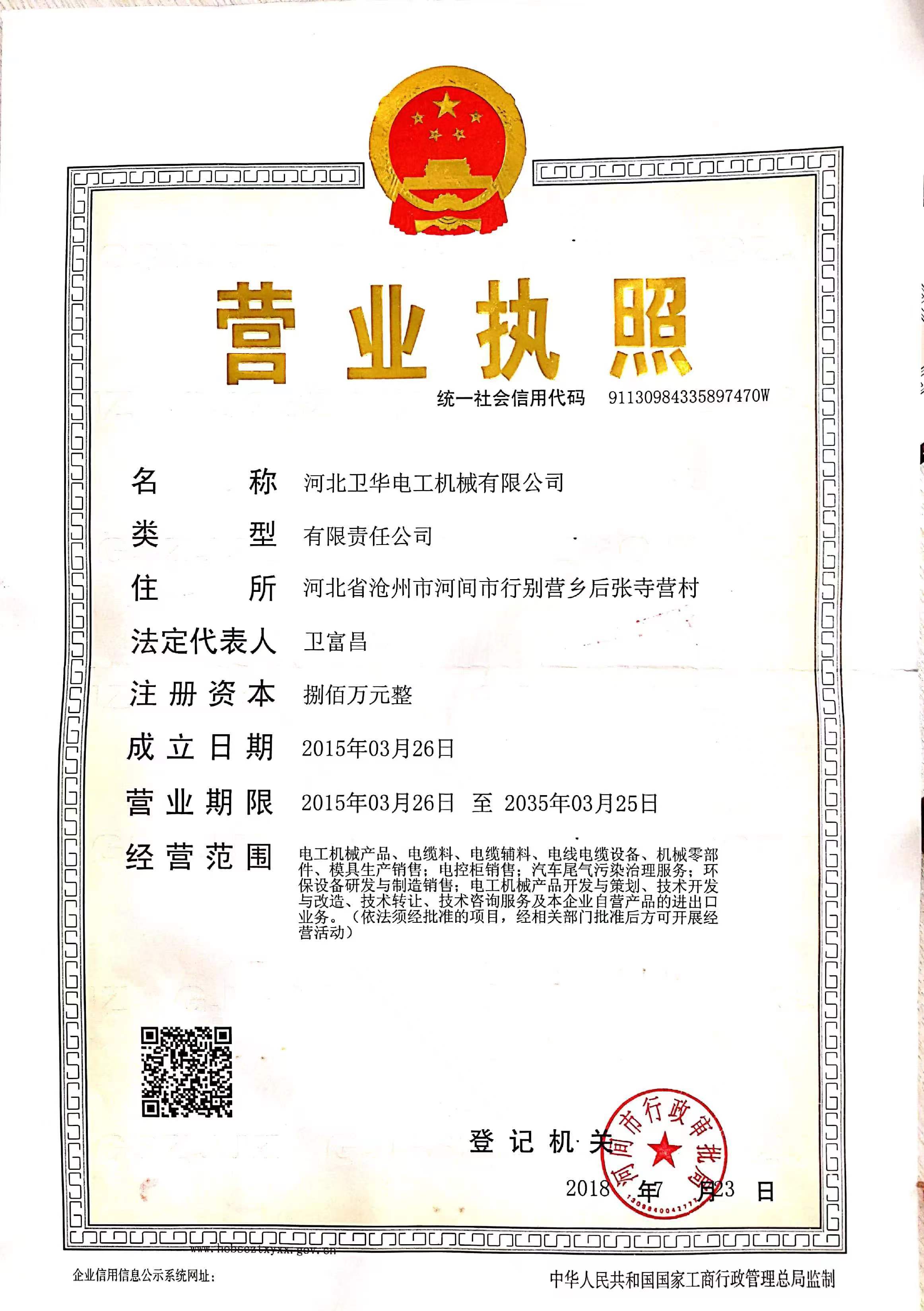
Weihua Electrical Machinery is a professional manufacturer of electrical machinery products integrating design, production, sales and service.




Best Practices for Inventory Management in Cable Production Lines
2025-09-02 09:20

Best Practices for Inventory Management in Cable Production Lines
Table of Contents
- Understanding Inventory Management in Cable Production
- The Importance of Inventory Management in Cable Production
- Challenges in Inventory Management for Cable Manufacturers
- Strategies for Effective Inventory Management
- The Role of Technology in Inventory Management
- How to Track Inventory Accurately
- Best Practices for Inventory Management in Cable Production
- Case Studies and Real-World Examples
- Frequently Asked Questions
- Conclusion
Understanding Inventory Management in Cable Production
Inventory management is a critical aspect of the cable manufacturing industry. It involves the systematic approach to sourcing, storing, and selling inventory—both raw materials and finished goods. In cable production lines, this means effectively managing various types of cables and wires, ensuring that production runs smoothly without delays or shortages.
What is Inventory Management?
At its core, inventory management entails overseeing the flow of goods from manufacturers to warehouses and from these facilities to point of sale. In cable production, it includes managing the stock levels of different types of wires and cables, such as power cables, communication cables, and specialty cables.
The Importance of Inventory Management in Cable Production
Effective inventory management is vital for several reasons:
1. **Cost Control**: Keeping inventory levels optimized reduces storage costs and minimizes waste, ensuring that resources are used efficiently.
2. **Production Efficiency**: Adequate inventory levels prevent production slowdowns due to material shortages, allowing for uninterrupted workflow on the production line.
3. **Customer Satisfaction**: Timely delivery of products is crucial. Effective inventory management ensures that orders are fulfilled promptly, enhancing customer satisfaction and loyalty.
4. **Data-Driven Decisions**: By analyzing inventory data, manufacturers can make informed decisions about production volumes, restocking, and market trends.
Challenges in Inventory Management for Cable Manufacturers
Despite its importance, inventory management in cable production comes with challenges:
1. **Diverse Product Lines**: Cable manufacturers often deal with a wide variety of products, making it complex to track and manage inventory effectively.
2. **Demand Fluctuations**: Changes in market demand can lead to overstocking or stockouts, resulting in increased costs and lost sales.
3. **Supply Chain Disruptions**: Issues in the supply chain, such as vendor delays or material shortages, can severely impact inventory levels and production schedules.
4. **Regulatory Compliance**: Compliance with safety and quality standards requires meticulous attention to inventory management, as any discrepancies can lead to legal issues.
Strategies for Effective Inventory Management
Implementing strategic practices can significantly enhance inventory management in cable production lines:
1. Implement Just-in-Time (JIT) Inventory
Just-in-Time (JIT) inventory management minimizes waste by receiving goods only as they are needed in the production process. This approach reduces storage costs and ensures that inventory levels are aligned closely with demand.
2. Use ABC Analysis
ABC analysis categorizes inventory into three categories based on importance:
- **A-items**: High-value items that require tight inventory control.
- **B-items**: Moderate-value items with less stringent controls.
- **C-items**: Low-value items that can be ordered in larger quantities with less oversight.
This method allows manufacturers to prioritize their inventory management efforts where they matter most.
3. Conduct Regular Audits
Regular inventory audits help ensure that physical stock matches recorded data. This practice not only helps identify discrepancies but also provides insights into inventory turnover rates, allowing for better forecasting.
4. Establish Strong Supplier Relationships
Building and maintaining strong relationships with suppliers is vital for ensuring a reliable supply chain. This collaboration facilitates better communication during disruptions and allows for quicker response times to inventory needs.
The Role of Technology in Inventory Management
Technology plays a pivotal role in enhancing inventory management processes:
1. Inventory Management Software
Utilizing specialized inventory management software enables manufacturers to track stock levels, manage orders, and generate reports easily. These systems often feature real-time tracking capabilities, helping businesses maintain optimal inventory levels.
2. Barcoding and RFID Technology
Implementing barcoding and RFID (Radio Frequency Identification) technology allows for quick inventory tracking and management. These technologies improve accuracy and speed up the inventory counting process, significantly reducing human error.
3. Data Analytics
Leveraging data analytics tools helps manufacturers identify trends and forecast demand. With advanced analytics, businesses can make proactive decisions about inventory management, reducing costs and improving efficiency.
How to Track Inventory Accurately
Accurate inventory tracking is essential for effective management. Here are some practices to ensure precision:
1. Real-Time Inventory Monitoring
Adopting systems that allow for real-time inventory monitoring provides current visibility into stock levels. This practice helps prevent stockouts and overstock situations.
2. Consistent Data Entry Practices
Establishing standardized processes for data entry ensures consistency and accuracy. Training staff on these practices minimizes errors and maintains reliable inventory records.
3. Utilize Inventory Forecasting Techniques
Forecasting techniques—such as historical data analysis and market trend evaluations—enable manufacturers to predict future inventory needs accurately, ensuring that stock levels meet demand without excess.
Best Practices for Inventory Management in Cable Production
To maximize efficiency in inventory management, consider implementing these best practices:
1. Prioritize Inventory Visibility
Ensure that everyone in the organization has access to real-time inventory data. Enhanced visibility fosters collaboration and helps different departments align their operations more effectively.
2. Establish Inventory KPIs
Set key performance indicators (KPIs) to measure the effectiveness of inventory management practices. Metrics such as inventory turnover ratio and order fulfillment rate can provide valuable insights for improvement.
3. Invest in Staff Training
Continuous training for staff involved in inventory management is critical. Educated employees are more capable of using technology effectively and understanding best practices.
4. Optimize Warehouse Layout
Designing an efficient warehouse layout can streamline inventory handling. Organizing products logically and ensuring easy access reduces picking times and improves overall productivity.
5. Implement a Safety Stock Strategy
Maintaining a safety stock—a small reserve of inventory—can prevent disruptions caused by unexpected demand spikes or supply chain delays, ensuring smooth operations.
Case Studies and Real-World Examples
Examining successful case studies can provide valuable lessons in inventory management:
1. ABC Cable Solutions
ABC Cable Solutions implemented a JIT inventory system, which dramatically reduced their inventory carrying costs by 25%. By closely collaborating with suppliers, they could receive materials just in time for production, enhancing their operational efficiency.
2. TechWire Innovations
TechWire Innovations faced challenges with demand fluctuations. They adopted advanced forecasting techniques, leading to a 30% increase in order fulfillment rates. By accurately predicting inventory needs, they minimized stockouts and improved customer satisfaction.
Frequently Asked Questions
1. What are the key elements of inventory management?
The key elements include tracking inventory levels, managing orders, forecasting demand, and maintaining supplier relationships.
2. How can technology improve inventory management?
Technology enhances accuracy, speeds up processes, and provides real-time visibility into inventory levels, allowing for informed decision-making.
3. What is the role of data analysis in inventory management?
Data analysis helps forecast demand, identify trends, and optimize inventory levels, ensuring that businesses can respond proactively to changes.
4. What challenges do cable manufacturers face in inventory management?
Common challenges include diverse product lines, fluctuating demand, supply chain disruptions, and regulatory compliance.
5. How often should inventory audits be conducted?
Conducting regular audits—ideally quarterly or semi-annually—helps maintain accurate records and identify discrepancies between physical stock and inventory data.
Conclusion
Implementing best practices for inventory management in cable production lines is essential for maintaining efficiency, reducing costs, and meeting customer demands. By understanding the challenges, leveraging technology, and adopting strategic practices, manufacturers can optimize their inventory processes. As the cable production industry continues to evolve, staying ahead of inventory management trends will empower businesses to thrive in a competitive landscape.
Best Practices for Inventory Management in Cable Production Lines
recommend reading
Key Features to Look for in a Cold Feed Rubber Extruder for Electrical Wiring
Key Features to Look for in a Cold Feed Rubber Extruder for Electrical Wiring Understanding Cold Feed Rubber Extruders Cold feed rubber extruders play a crucial role in the manufacturing of electrical wiring. These machines process raw rubber materials into various forms, ensuring they meet specific standards for electrical applications. Understanding the key features of cold feed rubber extruders
Understanding Rubber Extruders: Key Insights for the Electrical Industry
In the electrical and cable industry, the rubber extruder plays a pivotal role in the manufacturing process, particularly when it comes to producing insulation and jacketing for wires and cables. A rubber extruder is a machine that shapes rubber materials into specific profiles or forms by forcing them through a die. Understanding the fundamentals of rubber extruders can significantly enhance oper
The Essential Guide to Cable Types in Production Lines
The Essential Guide to Cable Types in Production Lines Table of Contents Introduction to Cable Types in Production Lines Understanding Different Types of Cables Single-Core vs. Multi-Core Cables: Which Is Right for You? Types of Cables Commonly Used in Production Lines Power Cables Control Cables Data Cables Specialty Cables
The Essential Role of Plastic Extruders in Cable Manufacturing
Plastic extruders play a pivotal role in the modern manufacturing of electrical wires and cables, particularly in the creation of insulation and protective coatings that ensure durability and performance. These machines are designed to melt plastic pellets and then force the molten material through a die to create continuous shapes, making them indispensable in the production of various cable comp
Comparative Analysis: Different Types of Wire and Cable Extrusion Production Lines
Comparative Analysis: Different Types of Wire and Cable Extrusion Production Lines Introduction to Wire and Cable Extrusion Extrusion is a critical process in the production of wires and cables. This procedure involves forcing molten material through a die to create a continuous product with a fixed cross-sectional profile. In the context of the electrical industry, wires and cables are pivotal fo
Understanding Cold Feed Rubber Extruders: A Key Component in Electrical Wire and Cable Manufacturing
In the realm of electrical wire and cable manufacturing, the cold feed rubber extruder stands out as a pivotal technology. This specialized piece of equipment is designed to process rubber compounds at ambient temperatures, offering several advantages over traditional extrusion methods. Understanding the functionality and benefits of cold feed rubber extruders can help manufacturers optimize their