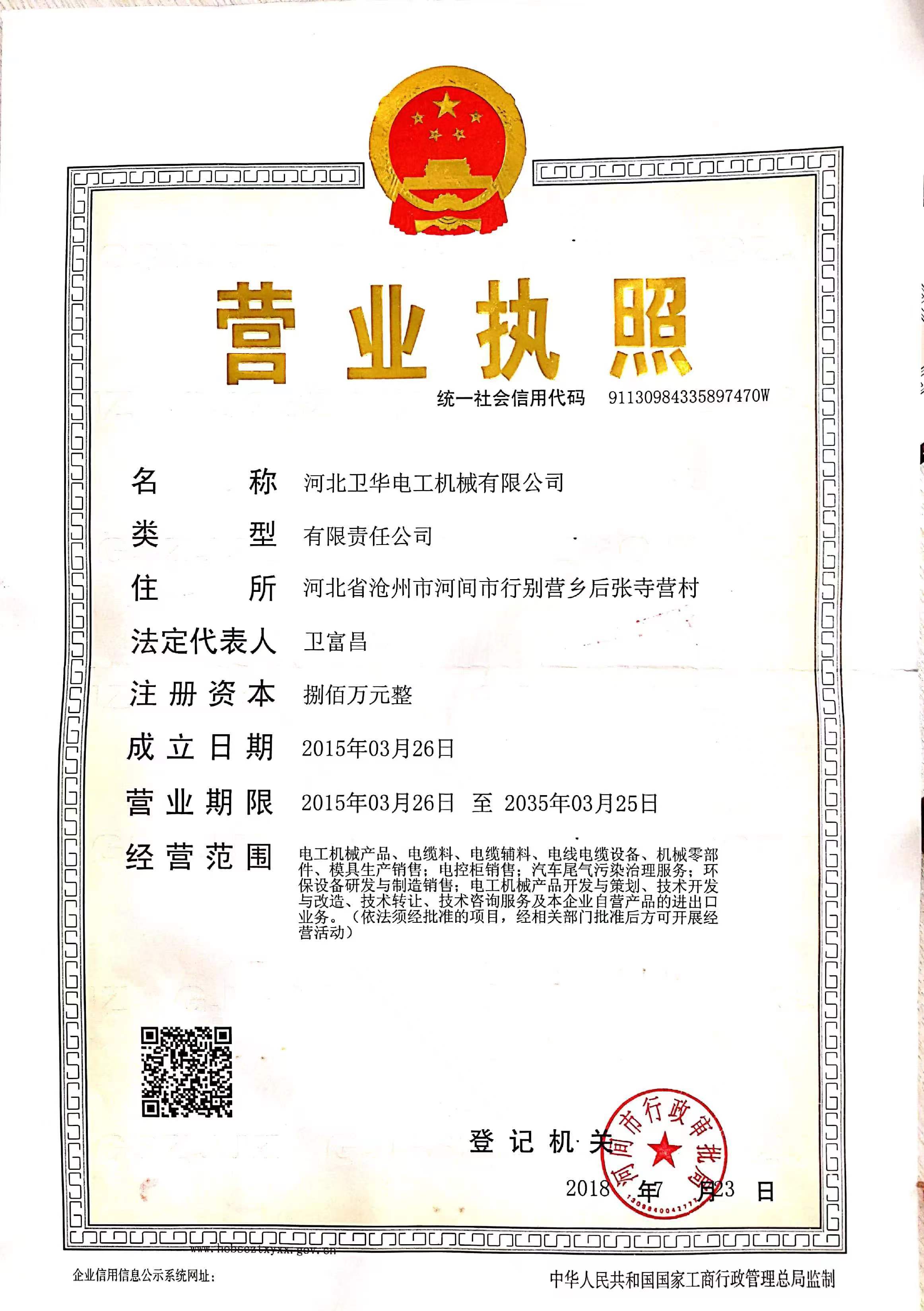
Weihua Electrical Machinery is a professional manufacturer of electrical machinery products integrating design, production, sales and service.




Why Choosing the Right Rubber Extruder Matters for Cable Quality
2025-08-05 10:40

Why Choosing the Right Rubber Extruder Matters for Cable Quality
Table of Contents
- Introduction
- Understanding Rubber Extruders
- Impact of Rubber Extruders on Cable Quality
- Types of Rubber Extruders
- Key Criteria for Selecting the Right Rubber Extruder
- Best Practices for Using Rubber Extruders
- Future Trends in Rubber Extrusion Technology
- Frequently Asked Questions
- Conclusion
Introduction
In the ever-evolving world of cable manufacturing, the choice of equipment plays a pivotal role in determining the quality and reliability of the final product. Among the critical machinery utilized in this process is the rubber extruder. The significance of selecting the right rubber extruder cannot be overstated; it directly influences the mechanical properties, insulation capabilities, and overall performance of cables.
This article aims to provide an in-depth examination of why choosing the right rubber extruder is essential for achieving superior cable quality. We will explore the various types of rubber extruders, the impact of their design and specifications on cable production, and offer valuable insights into best practices for optimizing performance.
Understanding Rubber Extruders
Rubber extruders are specialized machines designed to shape rubber materials into specific profiles or forms through a process called extrusion. The process involves melting raw rubber materials and forcing them through a die to create continuous lengths of rubber products, such as cables, tubing, and seals.
The performance of a rubber extruder is determined by several factors, including its design, type of screw used, temperature control capabilities, and the materials being processed. A well-designed extruder not only ensures efficient material processing but also enhances the final product's quality.
How Rubber Extruders Work
The operation of a rubber extruder includes several key stages:
1. **Material Feeding**: Raw rubber compounds are fed into the extruder through a hopper.
2. **Melting and Mixing**: The material is heated through a combination of mechanical work and external heating elements, ensuring a homogeneous melt.
3. **Extrusion**: The molten rubber is forced through a die, shaping it into the desired form.
4. **Cooling**: The extruded rubber is cooled, often using water or air, to solidify its shape.
Each of these stages is critical to ensuring the quality of the final cable product.
Impact of Rubber Extruders on Cable Quality
The choice of rubber extruder can significantly impact the quality of cables produced in several ways:
Material Consistency and Homogeneity
A high-quality extruder ensures consistent melting and mixing of rubber compounds, which is crucial for achieving uniformity in electrical insulation and mechanical strength. Poorly mixed materials can lead to defects, reducing the cable's overall performance.
Mechanical Properties
The mechanical properties of cables, such as tensile strength, flexibility, and elongation, are heavily influenced by the extrusion process. A well-engineered rubber extruder can help maintain the integrity of these properties, leading to more durable and reliable cables.
Insulation Performance
The insulation quality of electrical cables is paramount for preventing short circuits and electrical failures. The right rubber extruder enables precise control over the insulation thickness and uniformity, enhancing the cable’s resistance to environmental factors.
Production Efficiency
Choosing the right extruder not only affects product quality but also impacts production efficiency. An efficient rubber extruder minimizes waste, reduces downtime, and enhances overall throughput, contributing to a more profitable manufacturing operation.
Types of Rubber Extruders
There are several types of rubber extruders, each with its distinct features and applications. Understanding these types can aid in selecting the most suitable machine for your specific cable production needs.
Single-Screw Extruders
Single-screw extruders are the most common type used in rubber processing. They are straightforward in design and typically used for low to medium complexity applications. These extruders are ideal for producing cables that require simple profiles.
Double-Screw Extruders
Double-screw extruders offer enhanced mixing capabilities due to their intermeshing screws. They are preferred for processing complex compounds and are more efficient in terms of energy consumption. The flexibility of double-screw extruders makes them suitable for producing high-performance cables.
Co-Extruders
Co-extruders are used to produce cables with multiple layers of materials. By allowing different materials to be extruded simultaneously, co-extruders enhance the performance characteristics of cables, such as improved insulation and reduced weight.
Key Criteria for Selecting the Right Rubber Extruder
When choosing a rubber extruder, several critical criteria must be considered to ensure optimal performance and product quality.
Material Compatibility
It's essential to choose an extruder that is compatible with the specific rubber compounds intended for use. Different materials may require different processing conditions, and the right extruder will accommodate these variations.
Temperature Control
Precise temperature control is vital for rubber extrusion. An extruder with advanced heating and cooling systems will enable better control over the melting and cooling processes, resulting in improved material properties.
Output Capacity
Evaluating the output capacity of the extruder is important for meeting production demands. Select an extruder that aligns with your manufacturing volume to prevent bottlenecks in production.
Ease of Maintenance
A rubber extruder that is easy to maintain contributes to operational efficiency. Look for features that simplify cleaning, part replacement, and overall maintenance routines.
Best Practices for Using Rubber Extruders
To maximize the potential of rubber extruders and ensure high-quality cable production, manufacturers should adopt several best practices:
Regular Maintenance and Calibration
Routine maintenance and calibration of the extruder are essential to prevent performance degradation. Establish a maintenance schedule that includes regular inspections and adjustments.
Operator Training
Well-trained operators are critical to the successful operation of rubber extruders. Invest in training programs that equip your team with the skills and knowledge to operate the machinery effectively.
Quality Control Procedures
Implementing stringent quality control measures during the extrusion process will help identify defects early and ensure that the final product meets industry standards.
Future Trends in Rubber Extrusion Technology
As technology advances, the rubber extrusion industry is witnessing several emerging trends that promise to enhance cable quality further:
Digitalization and Industry 4.0
The integration of smart technologies and IoT in rubber extrusion processes allows for real-time monitoring and data analysis. This digitalization can lead to improved efficiency and product quality.
Eco-Friendly Materials
The demand for sustainable materials is on the rise. Future rubber extruders may focus on processing eco-friendly compounds, contributing to more environmentally responsible cable production.
Frequently Asked Questions
1. What factors should I consider when choosing a rubber extruder for cable production?
Key factors include material compatibility, temperature control, output capacity, and ease of maintenance.
2. How does the type of rubber extruder affect cable quality?
Different types of extruders offer varying levels of mixing efficiency, temperature control, and output capabilities, all of which directly impact cable quality.
3. What are the maintenance requirements for rubber extruders?
Maintenance requirements typically include regular inspections, cleaning, lubrication of moving parts, and calibration of temperature controls.
4. Can I use a single-screw extruder for complex cable designs?
While single-screw extruders can be used for simpler designs, double-screw extruders are often more efficient for complex cable profiles that require enhanced mixing capabilities.
5. What is the role of temperature control in rubber extrusion?
Temperature control is crucial for ensuring the proper melting and cooling of rubber materials, directly affecting their mechanical properties and overall quality.
Conclusion
Selecting the right rubber extruder is a crucial decision that directly impacts the quality and performance of the cables produced. The intricacies of the extrusion process require careful consideration of machine types, materials, and operational best practices. By understanding the importance of these factors and implementing effective strategies, manufacturers can enhance cable quality, improve production efficiency, and ultimately achieve greater customer satisfaction. As the industry continues to evolve, staying informed about technological advancements will position businesses for future success in the competitive cable manufacturing landscape.
Why Choosing the Right Rubber Extruder Matters for Cable Quality
recommend reading
Key Features to Look for in a Cold Feed Rubber Extruder for Electrical Wiring
Key Features to Look for in a Cold Feed Rubber Extruder for Electrical Wiring Understanding Cold Feed Rubber Extruders Cold feed rubber extruders play a crucial role in the manufacturing of electrical wiring. These machines process raw rubber materials into various forms, ensuring they meet specific standards for electrical applications. Understanding the key features of cold feed rubber extruders
Understanding Rubber Extruders: Key Insights for the Electrical Industry
In the electrical and cable industry, the rubber extruder plays a pivotal role in the manufacturing process, particularly when it comes to producing insulation and jacketing for wires and cables. A rubber extruder is a machine that shapes rubber materials into specific profiles or forms by forcing them through a die. Understanding the fundamentals of rubber extruders can significantly enhance oper
The Essential Guide to Cable Types in Production Lines
The Essential Guide to Cable Types in Production Lines Table of Contents Introduction to Cable Types in Production Lines Understanding Different Types of Cables Single-Core vs. Multi-Core Cables: Which Is Right for You? Types of Cables Commonly Used in Production Lines Power Cables Control Cables Data Cables Specialty Cables
The Essential Role of Plastic Extruders in Cable Manufacturing
Plastic extruders play a pivotal role in the modern manufacturing of electrical wires and cables, particularly in the creation of insulation and protective coatings that ensure durability and performance. These machines are designed to melt plastic pellets and then force the molten material through a die to create continuous shapes, making them indispensable in the production of various cable comp
Comparative Analysis: Different Types of Wire and Cable Extrusion Production Lines
Comparative Analysis: Different Types of Wire and Cable Extrusion Production Lines Introduction to Wire and Cable Extrusion Extrusion is a critical process in the production of wires and cables. This procedure involves forcing molten material through a die to create a continuous product with a fixed cross-sectional profile. In the context of the electrical industry, wires and cables are pivotal fo
Understanding Cold Feed Rubber Extruders: A Key Component in Electrical Wire and Cable Manufacturing
In the realm of electrical wire and cable manufacturing, the cold feed rubber extruder stands out as a pivotal technology. This specialized piece of equipment is designed to process rubber compounds at ambient temperatures, offering several advantages over traditional extrusion methods. Understanding the functionality and benefits of cold feed rubber extruders can help manufacturers optimize their