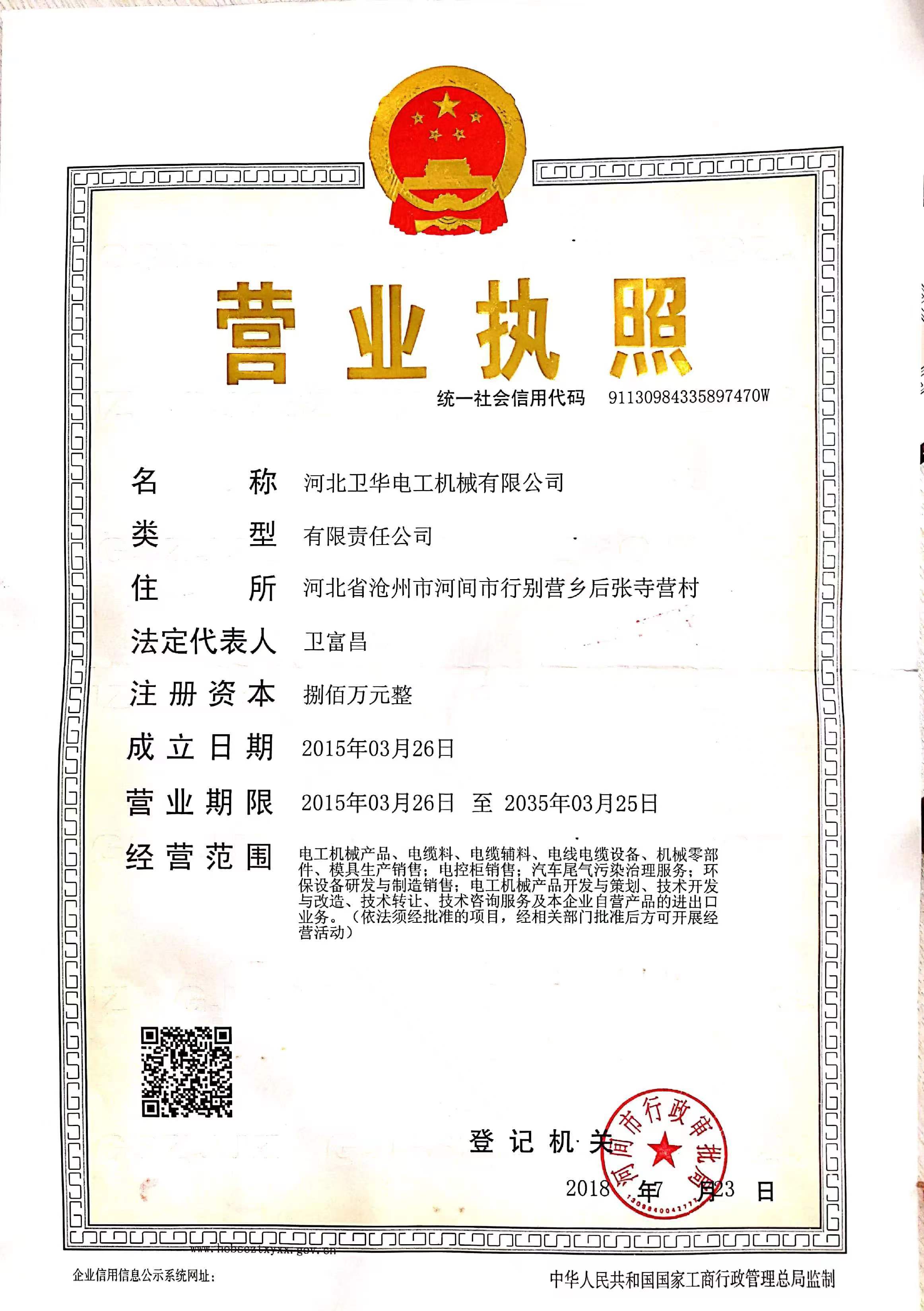
Weihua Electrical Machinery is a professional manufacturer of electrical machinery products integrating design, production, sales and service.




Unleashing the Power of Advanced Plastic Extrusion Techniques for Electric Wires
2025-07-06 13:20

The Benefits of Advanced Plastic Extrusion Techniques for Electric Wires
In today’s rapidly evolving electrical industry, the manufacturing processes for electric wires have become increasingly sophisticated. Among these advancements, **advanced plastic extrusion techniques** stand out as a game-changer. This article delves into the myriad benefits that these techniques offer, from improved production efficiency to enhanced wire performance.
Table of Contents
- Understanding Plastic Extrusion
- The Role of Plastic in Electric Wires
- Advanced Extrusion Techniques Explained
- Benefits of Advanced Plastic Extrusion Techniques
- Improved Durability and Reliability
- Enhanced Production Efficiency
- Cost-Effectiveness of Advanced Techniques
- The Future of Plastic Extrusion in Electric Wires
- Frequently Asked Questions
Understanding Plastic Extrusion
Plastic extrusion is a manufacturing process that involves melting plastic and forming it into a continuous profile. This method is pivotal in producing electric wires, as it allows for the creation of various shapes and sizes that meet specific electrical needs. The process begins with raw plastic pellets, which are heated until they become pliable. This molten plastic is then forced through a die, shaping it into the desired form.
The Role of Plastic in Electric Wires
In electric wires, plastic serves as an essential insulating material. The insulation not only protects the metal conductors from environmental factors but also ensures safety by preventing electrical shocks. Various types of plastics, such as PVC, polyethylene, and polyurethane, are used due to their excellent insulating properties.
Advanced Extrusion Techniques Explained
Advancements in extrusion technology have introduced methods that enhance the traditional process. These include co-extrusion, which allows for multiple layers of material to be extruded simultaneously, and blow molding, which creates hollow profiles. Such innovations enable manufacturers to tailor wire specifications more precisely, leading to better performance and reliability.
Benefits of Advanced Plastic Extrusion Techniques
The benefits of adopting advanced plastic extrusion techniques in the production of electric wires are substantial. Here, we explore some of the most significant advantages:
Improved Durability and Reliability
One of the primary advantages of advanced plastic extrusion techniques is **improved durability**. The enhanced properties of modern plastics allow wires to withstand extreme conditions, including temperature fluctuations, moisture, and chemicals. This resilience translates into longer-lasting products, reducing the need for frequent replacements and repairs.
**Reliability** is another crucial factor; high-quality extruded wires minimize the risk of electrical failures. By ensuring a consistent thickness and quality throughout the wire, advanced techniques help maintain optimal electrical performance and safety standards.
Enhanced Production Efficiency
Advanced extrusion methods offer significant improvements in **production efficiency**. The ability to produce complex shapes and multiple layers in a single pass reduces the overall manufacturing time. Moreover, automated extrusion lines can operate continuously, leading to higher output and lower labor costs.
These efficiencies not only speed up production but also enhance scalability, allowing manufacturers to meet varying demands without sacrificing quality.
Cost-Effectiveness of Advanced Techniques
While the initial investment in advanced plastic extrusion technology may be higher, the long-term cost savings are considerable. By improving durability and reducing production time, manufacturers can lower their overall costs. Additionally, the reduced waste generated during the extrusion process contributes to a more sustainable and cost-effective operation.
The Future of Plastic Extrusion in Electric Wires
As technology continues to evolve, the future of plastic extrusion techniques for electric wires looks promising. Innovations in materials and machinery are expected to enhance the capabilities of extrusion processes, allowing for even greater customization and efficiency. Emerging materials, such as bio-based plastics, may also play a pivotal role in the industry's sustainability efforts, catering to the growing demand for eco-friendly solutions.
Frequently Asked Questions
1. What materials are commonly used in plastic extrusion for electric wires?
The most commonly used materials include PVC, polyethylene, and polyurethane, known for their excellent insulating properties.
2. How does co-extrusion improve electric wire production?
Co-extrusion allows for multiple layers of different materials to be applied simultaneously, enhancing the wire's performance characteristics and insulation.
3. Are advanced plastic extrusion techniques more expensive?
While the initial investment may be higher, the long-term benefits in terms of durability and efficiency often outweigh the costs.
4. What industries benefit from advanced plastic extrusion techniques?
Industries such as telecommunications, automotive, and construction significantly benefit from these advanced techniques due to their high demand for reliable and durable electric wiring.
5. How can I choose the right manufacturing partner for advanced plastic extrusion?
Look for manufacturers with a proven track record, advanced technology, and a commitment to quality and sustainability. Request case studies and client testimonials to ensure they meet your specific needs.
Conclusion
In summary, advanced plastic extrusion techniques offer a wealth of benefits for the production of electric wires, from improved durability and reliability to enhanced production efficiency and cost-effectiveness. As the industry continues to evolve, the integration of these advanced methods will likely play a crucial role in meeting the growing demands for high-quality electrical products. Embracing these innovations not only enhances manufacturing processes but also contributes to a more sustainable and reliable electrical infrastructure for the future.
Unleashing the Power of Advanced Plastic Extrusion Techniques for Electric Wires
recommend reading
Key Features to Look for in a Cold Feed Rubber Extruder for Electrical Wiring
Key Features to Look for in a Cold Feed Rubber Extruder for Electrical Wiring Understanding Cold Feed Rubber Extruders Cold feed rubber extruders play a crucial role in the manufacturing of electrical wiring. These machines process raw rubber materials into various forms, ensuring they meet specific standards for electrical applications. Understanding the key features of cold feed rubber extruders
Understanding Rubber Extruders: Key Insights for the Electrical Industry
In the electrical and cable industry, the rubber extruder plays a pivotal role in the manufacturing process, particularly when it comes to producing insulation and jacketing for wires and cables. A rubber extruder is a machine that shapes rubber materials into specific profiles or forms by forcing them through a die. Understanding the fundamentals of rubber extruders can significantly enhance oper
The Essential Guide to Cable Types in Production Lines
The Essential Guide to Cable Types in Production Lines Table of Contents Introduction to Cable Types in Production Lines Understanding Different Types of Cables Single-Core vs. Multi-Core Cables: Which Is Right for You? Types of Cables Commonly Used in Production Lines Power Cables Control Cables Data Cables Specialty Cables
The Essential Role of Plastic Extruders in Cable Manufacturing
Plastic extruders play a pivotal role in the modern manufacturing of electrical wires and cables, particularly in the creation of insulation and protective coatings that ensure durability and performance. These machines are designed to melt plastic pellets and then force the molten material through a die to create continuous shapes, making them indispensable in the production of various cable comp
Comparative Analysis: Different Types of Wire and Cable Extrusion Production Lines
Comparative Analysis: Different Types of Wire and Cable Extrusion Production Lines Introduction to Wire and Cable Extrusion Extrusion is a critical process in the production of wires and cables. This procedure involves forcing molten material through a die to create a continuous product with a fixed cross-sectional profile. In the context of the electrical industry, wires and cables are pivotal fo
Understanding Cold Feed Rubber Extruders: A Key Component in Electrical Wire and Cable Manufacturing
In the realm of electrical wire and cable manufacturing, the cold feed rubber extruder stands out as a pivotal technology. This specialized piece of equipment is designed to process rubber compounds at ambient temperatures, offering several advantages over traditional extrusion methods. Understanding the functionality and benefits of cold feed rubber extruders can help manufacturers optimize their