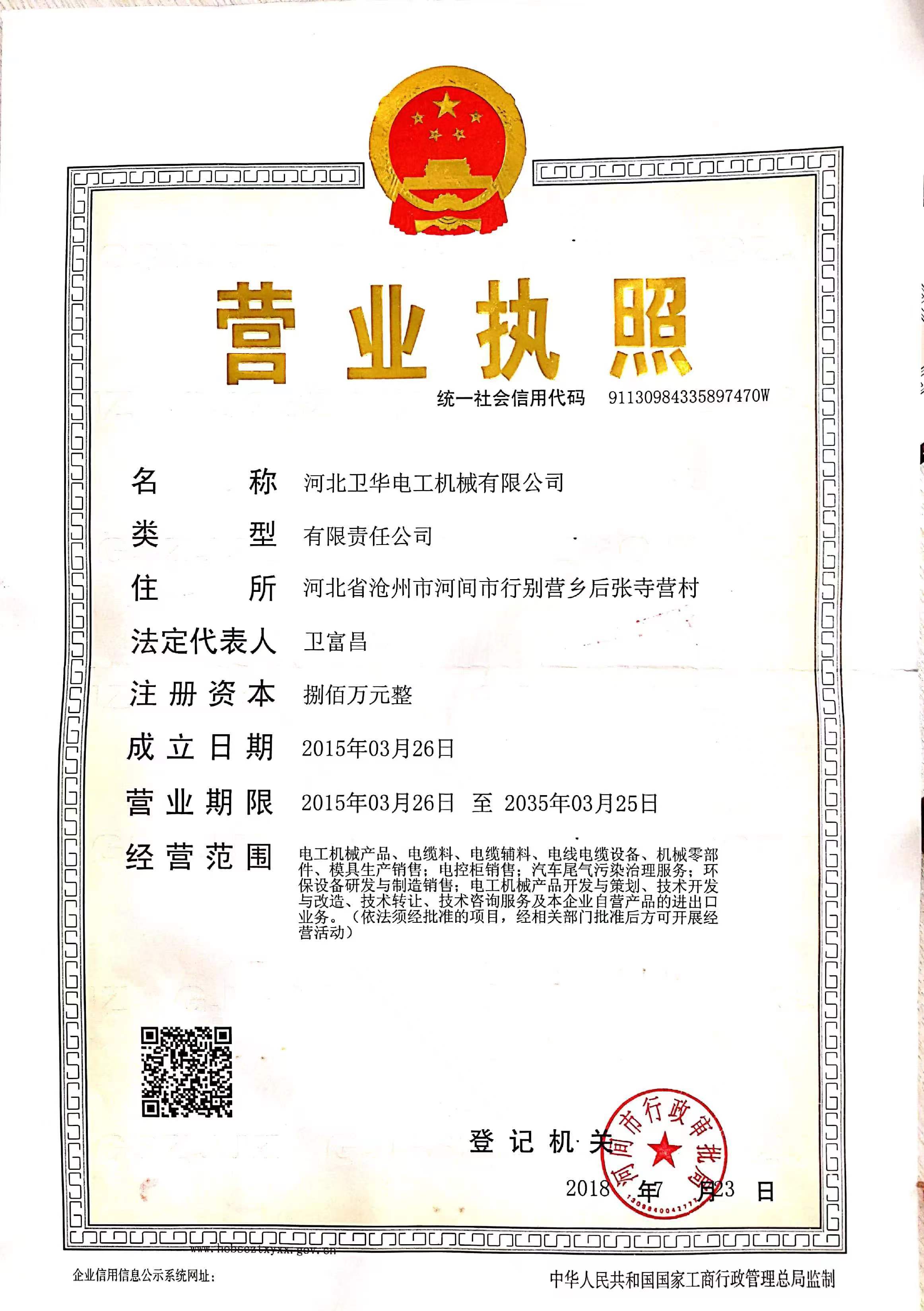
Weihua Electrical Machinery is a professional manufacturer of electrical machinery products integrating design, production, sales and service.




Unlocking the Benefits of Cold Feed Rubber Extruders for Electrical Engineers
2025-07-04 14:00

Unlocking the Benefits of Cold Feed Rubber Extruders for Electrical Engineers
Table of Contents
- 1. Introduction to Cold Feed Rubber Extruders
- 2. How Cold Feed Rubber Extruders Work
- 3. Key Advantages of Cold Feed Rubber Extruders
- 4. Applications in Electrical Engineering
- 5. Case Studies: Success Stories
- 6. Maintenance and Best Practices
- 7. Future Trends in Rubber Extrusion Technology
- 8. Conclusion
- 9. FAQs
1. Introduction to Cold Feed Rubber Extruders
Cold feed rubber extruders are vital tools in the production of electrical cables and wires. Utilizing a unique process that allows for the handling of rubber compounds at lower temperatures, these machines enhance the efficiency of the extrusion process while ensuring better quality output. A deeper understanding of cold feed rubber extruders reveals their significant role in modern electrical engineering, particularly in the manufacturing of insulated wires, cables, and other rubber-based products.
2. How Cold Feed Rubber Extruders Work
Cold feed rubber extruders operate through a straightforward yet effective process. Unlike traditional hot-feed extruders, which require the rubber compounds to be heated before being shaped, cold feed extruders work by forcing the raw, unheated rubber through a barrel and die configuration. This method preserves the integrity of the rubber material, ensuring better performance in the final product.
The process involves several key components:
- **Feeding System:** This component ensures a consistent supply of rubber compound into the extruder.
- **Screw Mechanism:** The screw conveys the material forward while simultaneously mixing and shearing it to achieve uniformity.
- **Die Configuration:** The shape and size of the die determine the final product's profile, allowing for customization based on specific requirements.
This process not only enhances efficiency but also reduces energy consumption, marking a significant advancement in manufacturing technology.
3. Key Advantages of Cold Feed Rubber Extruders
3.1 Efficiency in Production
One of the primary benefits of cold feed rubber extruders is their efficiency. By eliminating the need for pre-heating rubber compounds, these machines significantly reduce the time and energy spent on production. This efficiency translates to lower operational costs, allowing manufacturers to optimize their processes and increase output without sacrificing quality.
3.2 Improved Quality of Output
Cold feed rubber extruders deliver a superior quality of output compared to traditional methods. The controlled environment of cold processing minimizes thermal degradation, ensuring that the physical and chemical properties of the rubber are preserved. This results in products that meet the stringent standards required in electrical applications, such as insulation and protective coverings for cables.
3.3 Versatility in Material Processing
These extruders offer remarkable versatility, enabling engineers to work with a wide range of rubber compounds, including EPDM, silicone, and neoprene. This flexibility allows manufacturers to tailor their products to meet specific industry needs, accommodating variations in material properties and performance requirements.
4. Applications in Electrical Engineering
Cold feed rubber extruders play a crucial role in various applications within electrical engineering. Some of the notable applications include:
- **Insulated Wires and Cables:** The most common use of cold feed rubber extruders is in the production of insulated wires, ensuring durability and reliability in electrical systems.
- **Rubber Gaskets and Seals:** These extruders are also used to manufacture gaskets and seals, which are essential components in electrical enclosures, protecting sensitive equipment from environmental factors.
- **Flexible Connectors:** Cold feed technology is employed in the production of flexible connectors, which provide reliable connections in dynamic environments.
5. Case Studies: Success Stories
Several companies have successfully integrated cold feed rubber extruders into their manufacturing processes, leading to remarkable improvements. For instance, a leading electrical cable manufacturer reported a **30% increase in production efficiency** after adopting cold feed technology. This transition allowed them to reduce waste and lower production costs while maintaining high-quality standards.
Another case study highlights a company specializing in custom rubber products. By using cold feed extruders, they were able to expand their product offerings, catering to diverse industries such as automotive and aerospace, ultimately increasing their market share.
6. Maintenance and Best Practices
To ensure optimal performance and longevity of cold feed rubber extruders, proper maintenance is essential. Here are some best practices:
- **Regular Cleaning:** Schedule regular cleaning of the barrel and die to prevent material buildup that can affect product quality.
- **Lubrication:** Ensure that moving parts are adequately lubricated to reduce wear and tear.
- **Monitoring Performance:** Keep track of production metrics to identify any deviations that may indicate maintenance needs.
7. Future Trends in Rubber Extrusion Technology
As technology continues to evolve, we can expect significant advancements in rubber extrusion processes. Innovations such as smart sensors for real-time monitoring and AI-driven analytics are likely to enhance efficiency and quality. Additionally, the integration of sustainable practices, such as using biodegradable materials, will play a crucial role in shaping the future of rubber extrusion in electrical engineering.
8. Conclusion
Cold feed rubber extruders offer an array of benefits for electrical engineers, from improved production efficiency to enhanced product quality. By embracing this technology, manufacturers can stay competitive in an industry that demands precision and reliability. Understanding the operational mechanics, applications, and maintenance practices associated with cold feed rubber extruders will empower engineers to make informed decisions that contribute to the advancement of electrical engineering.
9. FAQs
What is a cold feed rubber extruder?
A cold feed rubber extruder is a machine that processes rubber compounds without the need for pre-heating, enhancing efficiency and product quality in manufacturing.
How does a cold feed extruder differ from a hot feed extruder?
Cold feed extruders do not require heating of the rubber material before processing, whereas hot feed extruders do, which can lead to thermal degradation of the product.
What types of materials can be processed with cold feed rubber extruders?
Cold feed rubber extruders can process various rubber compounds, including EPDM, silicone, and neoprene, allowing for versatility in applications.
What are the primary applications of cold feed rubber extruders in electrical engineering?
They are primarily used for producing insulated wires and cables, rubber gaskets, seals, and flexible connectors in electrical applications.
How can manufacturers ensure optimal performance of cold feed rubber extruders?
Regular maintenance, including cleaning, lubrication, and performance monitoring, is essential to ensure optimal performance and longevity of cold feed rubber extruders.
Unlocking the Benefits of Cold Feed Rubber Extruders for Electrical Engineers
recommend reading
Key Features to Look for in a Cold Feed Rubber Extruder for Electrical Wiring
Key Features to Look for in a Cold Feed Rubber Extruder for Electrical Wiring Understanding Cold Feed Rubber Extruders Cold feed rubber extruders play a crucial role in the manufacturing of electrical wiring. These machines process raw rubber materials into various forms, ensuring they meet specific standards for electrical applications. Understanding the key features of cold feed rubber extruders
Understanding Rubber Extruders: Key Insights for the Electrical Industry
In the electrical and cable industry, the rubber extruder plays a pivotal role in the manufacturing process, particularly when it comes to producing insulation and jacketing for wires and cables. A rubber extruder is a machine that shapes rubber materials into specific profiles or forms by forcing them through a die. Understanding the fundamentals of rubber extruders can significantly enhance oper
The Essential Guide to Cable Types in Production Lines
The Essential Guide to Cable Types in Production Lines Table of Contents Introduction to Cable Types in Production Lines Understanding Different Types of Cables Single-Core vs. Multi-Core Cables: Which Is Right for You? Types of Cables Commonly Used in Production Lines Power Cables Control Cables Data Cables Specialty Cables
The Essential Role of Plastic Extruders in Cable Manufacturing
Plastic extruders play a pivotal role in the modern manufacturing of electrical wires and cables, particularly in the creation of insulation and protective coatings that ensure durability and performance. These machines are designed to melt plastic pellets and then force the molten material through a die to create continuous shapes, making them indispensable in the production of various cable comp
Comparative Analysis: Different Types of Wire and Cable Extrusion Production Lines
Comparative Analysis: Different Types of Wire and Cable Extrusion Production Lines Introduction to Wire and Cable Extrusion Extrusion is a critical process in the production of wires and cables. This procedure involves forcing molten material through a die to create a continuous product with a fixed cross-sectional profile. In the context of the electrical industry, wires and cables are pivotal fo
Understanding Cold Feed Rubber Extruders: A Key Component in Electrical Wire and Cable Manufacturing
In the realm of electrical wire and cable manufacturing, the cold feed rubber extruder stands out as a pivotal technology. This specialized piece of equipment is designed to process rubber compounds at ambient temperatures, offering several advantages over traditional extrusion methods. Understanding the functionality and benefits of cold feed rubber extruders can help manufacturers optimize their