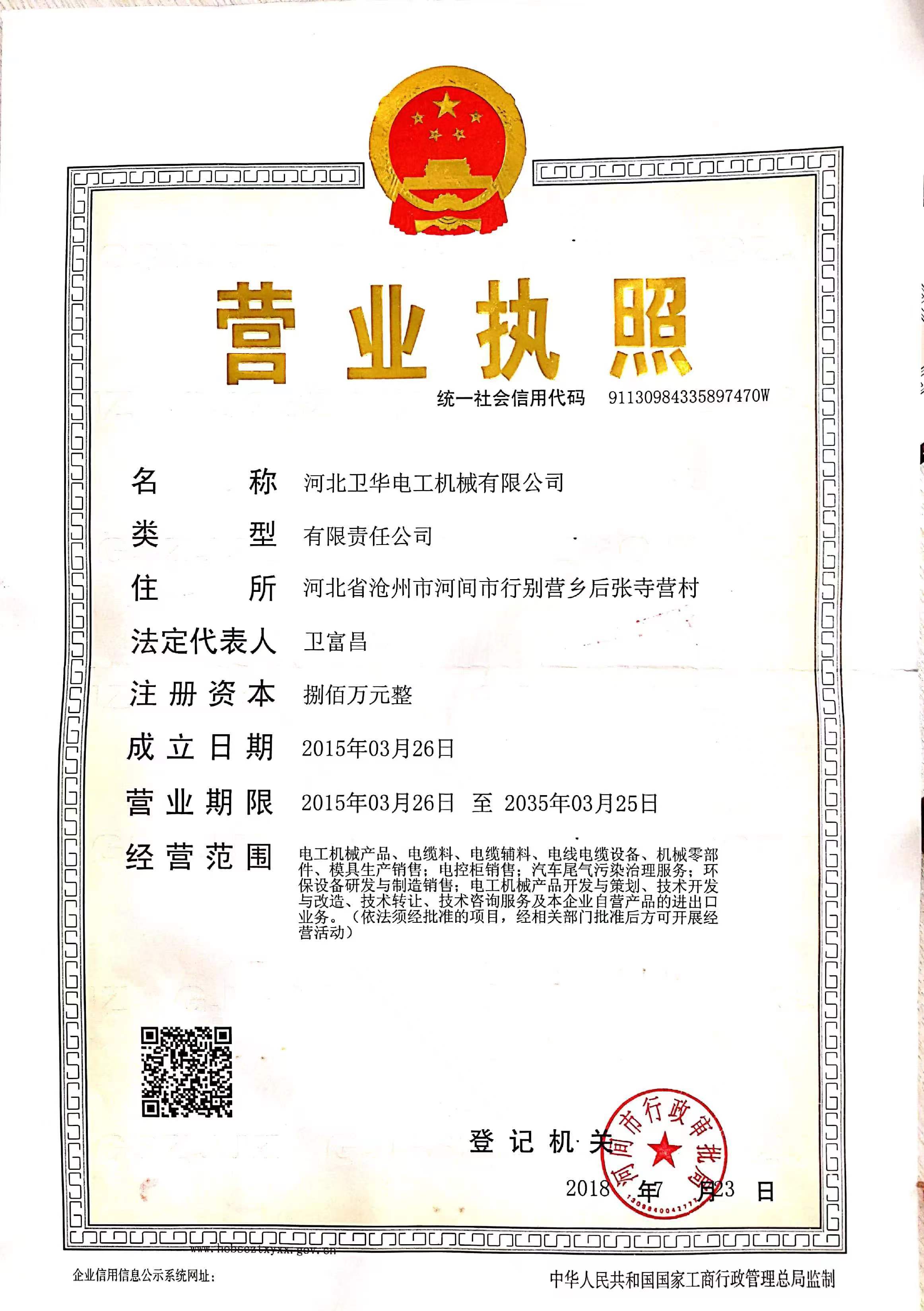
Weihua Electrical Machinery is a professional manufacturer of electrical machinery products integrating design, production, sales and service.




Exploring Advanced Technologies in Rubber Extruders: Innovations Shaping the Future of the Electrical and Cable Industry
2025-06-30 14:00

Exploring Advanced Technologies in Rubber Extruders
Table of Contents
- Introduction to Rubber Extruders
- The Importance of Rubber Extruders in the Electrical Industry
- Technological Advancements in Rubber Extruders
- Automation in Rubber Extrusion
- Material Innovations Enhancing Rubber Extrusion
- Energy Efficiency in Rubber Extrusion Processes
- Sustainable Practices in Rubber Extrusion
- Future Trends in Rubber Extrusion Technology
- Conclusion
- Frequently Asked Questions
Introduction to Rubber Extruders
Rubber extruders are vital machines used in the manufacturing of various rubber products, including those crucial for the electrical and cable industry. They play a significant role in shaping the rubber, ensuring it meets specific dimensions and properties essential for performance. As industries evolve, so do the technologies that power them. In this article, we explore the advanced technologies that are redefining rubber extruders, highlighting their significance, innovations, and benefits within the electrical sector.
The Importance of Rubber Extruders in the Electrical Industry
Rubber extruders serve as the backbone of the electrical and cable industry. They facilitate the production of insulated wires and cables, which are crucial for electrical safety and functionality. The quality of rubber used in these applications directly impacts the durability and performance of electrical products. Thus, investing in advanced rubber extrusion technologies not only enhances product quality but also boosts efficiency and reduces costs in the long run.
Technological Advancements in Rubber Extruders
The realm of rubber extrusion has witnessed remarkable technological advancements in recent years. These innovations have transformed traditional methods, allowing manufacturers to produce higher quality rubber components more efficiently. Key advancements include:
1. Precision Control Systems
Modern rubber extruders are equipped with sophisticated precision control systems, enabling operators to monitor and adjust the extrusion process in real-time. This contributes to more consistent product quality and minimizes waste.
2. Enhanced Screw Designs
Innovative screw designs improve material flow and mixing efficiency, allowing for better thermal regulation and consistent viscosity of the rubber mixture. This results in a more homogeneous product, which is essential for high-performance applications.
3. Advanced Heating and Cooling Technologies
Utilizing advanced heating and cooling technologies enhances the extrusion process. These systems ensure that the rubber reaches the optimal temperature for shaping, reducing cycle times and improving production rates.
Automation in Rubber Extrusion
Automation is revolutionizing the rubber extrusion industry, bringing about increased efficiency and reduced labor costs. Automated systems can handle multiple tasks, from material handling to quality control, leading to:
1. Increased Productivity
Automation eliminates manual errors and speeds up the production process, allowing manufacturers to meet higher demands without compromising on quality.
2. Improved Safety
Automated systems reduce the need for human intervention in potentially hazardous processes, enhancing workplace safety.
3. Data Collection and Analysis
Modern rubber extruders come equipped with sensors and software that collect data throughout the production process. This data can be analyzed to identify inefficiencies and optimize the extrusion process further.
Material Innovations Enhancing Rubber Extrusion
In addition to technological advancements, the development of new materials is also pushing the boundaries of rubber extrusion. Noteworthy material innovations include:
1. High-Performance Polymers
The introduction of high-performance polymers allows for the production of rubber compounds that exhibit superior thermal stability, chemical resistance, and mechanical strength. These materials are particularly suited for electrical applications where durability is paramount.
2. Eco-Friendly Compounds
Sustainability is becoming increasingly important in the manufacturing sector. The development of eco-friendly rubber compounds not only meets regulatory requirements but also appeals to eco-conscious consumers.
Energy Efficiency in Rubber Extrusion Processes
Energy consumption is a significant concern in rubber extrusion. Advanced technologies focus on improving energy efficiency, including:
1. Variable Frequency Drives (VFDs)
VFDs allow for precise control of motor speeds, leading to significant energy savings during the extrusion process.
2. Insulation and Heat Recovery Systems
Implementing insulation techniques and heat recovery systems minimizes energy loss and optimizes heating and cooling processes, contributing to lower overall energy consumption.
Sustainable Practices in Rubber Extrusion
In response to environmental concerns, the rubber extrusion industry is adopting sustainable practices that minimize waste and enhance recyclability. Key practices include:
1. Recycling Scrap Rubber
Many manufacturers are implementing systems to recycle scrap rubber generated during the extrusion process, reducing landfill waste and promoting sustainability.
2. Biodegradable Materials
The use of biodegradable materials in rubber production is an emerging trend, allowing products to have a less detrimental impact on the environment.
Future Trends in Rubber Extrusion Technology
As technology continues to evolve, several future trends are emerging in rubber extrusion:
1. Increased Customization
With advancements in technology, manufacturers can offer more customized solutions tailored to specific customer needs, enhancing satisfaction and market competitiveness.
2. Integration of Artificial Intelligence
Artificial intelligence is expected to play a significant role in optimizing production processes, predicting maintenance needs, and enhancing overall operational efficiency.
3. Growth of Smart Manufacturing
The rise of smart manufacturing will further drive innovations in rubber extrusion, where interconnected devices will communicate with each other to optimize production and reduce downtime.
Conclusion
The advancements in rubber extruders represent a significant leap forward for the electrical and cable industry. By embracing the latest technologies, manufacturers can enhance productivity, improve product quality, and adopt sustainable practices. The future of rubber extrusion is bright, with innovations that will not only meet the demands of today but also pave the way for a more efficient and sustainable manufacturing landscape.
Frequently Asked Questions
1. What is a rubber extruder?
A rubber extruder is a machine used in manufacturing that shapes rubber into specific forms by forcing it through a die.
2. How does automation benefit rubber extrusion?
Automation increases productivity, improves safety, and enhances data collection for better process optimization.
3. What are the latest materials used in rubber extrusion?
High-performance polymers and eco-friendly compounds are among the latest materials enhancing rubber extrusion processes.
4. Why is energy efficiency important in rubber extrusion?
Energy efficiency reduces operational costs and minimizes environmental impact, contributing to sustainable manufacturing practices.
5. What trends should we expect in the future of rubber extrusion?
Future trends include increased customization, the integration of artificial intelligence, and the growth of smart manufacturing practices.
Exploring Advanced Technologies in Rubber Extruders: Innovations Shaping the Future of the Electrical and Cable Industry
recommend reading
Key Features to Look for in a Cold Feed Rubber Extruder for Electrical Wiring
Key Features to Look for in a Cold Feed Rubber Extruder for Electrical Wiring Understanding Cold Feed Rubber Extruders Cold feed rubber extruders play a crucial role in the manufacturing of electrical wiring. These machines process raw rubber materials into various forms, ensuring they meet specific standards for electrical applications. Understanding the key features of cold feed rubber extruders
Understanding Rubber Extruders: Key Insights for the Electrical Industry
In the electrical and cable industry, the rubber extruder plays a pivotal role in the manufacturing process, particularly when it comes to producing insulation and jacketing for wires and cables. A rubber extruder is a machine that shapes rubber materials into specific profiles or forms by forcing them through a die. Understanding the fundamentals of rubber extruders can significantly enhance oper
The Essential Guide to Cable Types in Production Lines
The Essential Guide to Cable Types in Production Lines Table of Contents Introduction to Cable Types in Production Lines Understanding Different Types of Cables Single-Core vs. Multi-Core Cables: Which Is Right for You? Types of Cables Commonly Used in Production Lines Power Cables Control Cables Data Cables Specialty Cables
The Essential Role of Plastic Extruders in Cable Manufacturing
Plastic extruders play a pivotal role in the modern manufacturing of electrical wires and cables, particularly in the creation of insulation and protective coatings that ensure durability and performance. These machines are designed to melt plastic pellets and then force the molten material through a die to create continuous shapes, making them indispensable in the production of various cable comp
Comparative Analysis: Different Types of Wire and Cable Extrusion Production Lines
Comparative Analysis: Different Types of Wire and Cable Extrusion Production Lines Introduction to Wire and Cable Extrusion Extrusion is a critical process in the production of wires and cables. This procedure involves forcing molten material through a die to create a continuous product with a fixed cross-sectional profile. In the context of the electrical industry, wires and cables are pivotal fo
Understanding Cold Feed Rubber Extruders: A Key Component in Electrical Wire and Cable Manufacturing
In the realm of electrical wire and cable manufacturing, the cold feed rubber extruder stands out as a pivotal technology. This specialized piece of equipment is designed to process rubber compounds at ambient temperatures, offering several advantages over traditional extrusion methods. Understanding the functionality and benefits of cold feed rubber extruders can help manufacturers optimize their