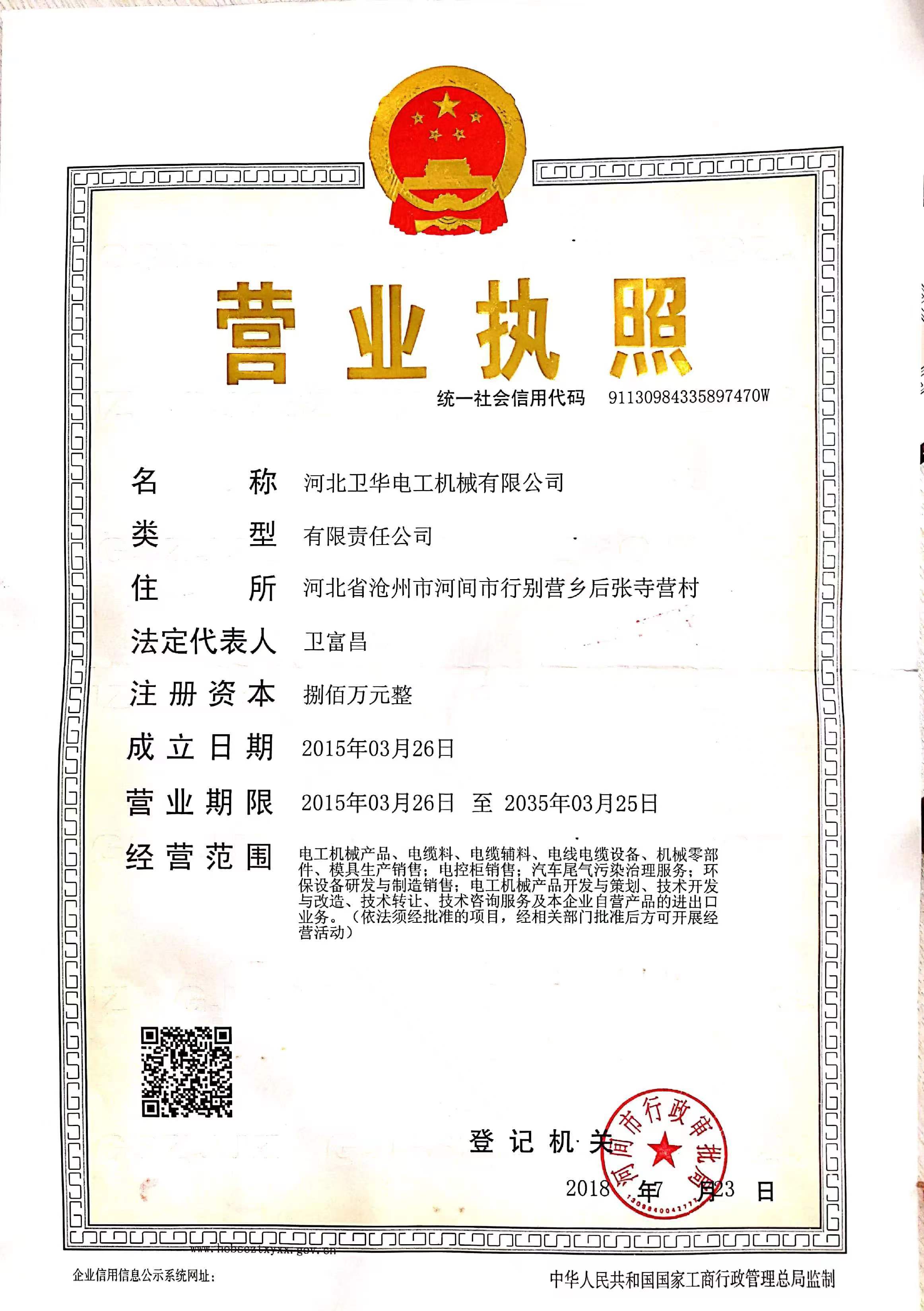
Weihua Electrical Machinery is a professional manufacturer of electrical machinery products integrating design, production, sales and service.




The Integral Role of Rubber Extruders in Modern Cable Production
2025-06-28 13:20

The Integral Role of Rubber Extruders in Modern Cable Production
Modern cable production relies heavily on advanced machinery and processes to ensure high-quality, durable, and efficient products. Among these machines, rubber extruders play a crucial role. They shape and mold rubber compounds into specific forms suitable for insulation, jackets, and other cable components. This article delves into the importance of rubber extruders in cable manufacturing, covering everything from their operational principles to their impact on production standards.
Table of Contents
- Understanding Rubber Extruders
- The Importance of Rubber in Cable Production
- How Rubber Extruders Work
- Key Benefits of Rubber Extruders in Cable Manufacturing
- Different Types of Rubber Extruders
- Applications of Rubber Extrusion in Cabling
- Challenges and Solutions in Rubber Extrusion
- Future Trends in Rubber Extrusion Technology
- FAQs about Rubber Extruders
Understanding Rubber Extruders
Rubber extruders are specialized machines designed to process rubber and other polymer materials into continuous shapes suitable for various applications. These machines function by feeding raw rubber through a heated barrel, where it is then mixed, melted, and forced through a die to create specific forms. In cable production, rubber extruders are essential for producing insulation and protective jackets.
Key Components of Rubber Extruders
The main components of rubber extruders include the feed hopper, barrel, screw, die, and cooling system. Each component plays a significant role in ensuring the effective extrusion of rubber compounds. The feed hopper holds the raw material, while the barrel and screw mix and heat the material, preparing it for extrusion. The die shapes the rubber into the desired form, and the cooling system solidifies the extruded material.
The Importance of Rubber in Cable Production
Rubber is a vital material in the manufacturing of cables, providing excellent insulation properties and resistance to environmental factors. The use of rubber helps protect electrical conductors from moisture, heat, and physical damage, which enhances the longevity and reliability of cables. Additionally, rubber materials can be formulated to meet specific performance requirements, making them versatile for various applications.
Why Rubber is Preferred Over Other Materials
Rubber's unique properties, such as flexibility, resilience, and resistance to chemicals, make it an ideal choice for insulation in electrical cables. Unlike plastics, rubber can withstand extreme temperatures and is less prone to cracking or breaking under stress. This durability is particularly important in outdoor and industrial environments where cables are exposed to harsh conditions.
How Rubber Extruders Work
The process of rubber extrusion involves several steps that transform raw rubber into finished cable components. First, the rubber is fed into the extruder, where it is subjected to heat and pressure. As the rubber material is forced through the barrel, it is mixed thoroughly, ensuring a consistent blend of additives and fillers.
The Extrusion Process in Detail
1. **Feeding**: Raw rubber is loaded into the feed hopper, which automatically feeds the material into the extruder.
2. **Heating and Mixing**: The screw within the extruder rotates, mixing the rubber with any necessary additives. Heat is applied to melt the rubber, facilitating a homogenous blend.
3. **Shaping**: The melted rubber is forced through a die, which shapes it into the desired profile for cable insulation or jackets.
4. **Cooling**: Once extruded, the material passes through a cooling system that solidifies it, preparing it for handling and further processing.
Key Benefits of Rubber Extruders in Cable Manufacturing
The utilization of rubber extruders in cable manufacturing offers numerous advantages that contribute to overall production efficiency and product quality.
1. Enhanced Precision and Consistency
Rubber extruders provide a high degree of accuracy in shaping and forming rubber materials. This precision ensures that every cable component meets strict specifications, leading to fewer defects and higher quality.
2. Increased Production Speed
With the capability to produce continuous lengths of rubber profiles, extruders significantly boost production speed. This efficiency allows manufacturers to meet growing demands without compromising quality.
3. Versatile Material Formulation
Rubber extruders can accommodate various rubber formulations, enabling the production of specialized cables for different applications. This versatility is crucial for adapting to the evolving needs of the electrical and telecommunications industries.
4. Cost-Effective Manufacturing
By optimizing the extrusion process, manufacturers can reduce waste and lower production costs. The efficient use of materials ensures that resources are utilized effectively, contributing to improved profit margins.
5. Environmentally Friendly Production
Modern rubber extruders are designed to minimize energy consumption and reduce emissions. This environmentally conscious approach aligns with global sustainability initiatives and appeals to eco-conscious consumers.
Different Types of Rubber Extruders
There are several types of rubber extruders, each designed for specific applications and processes. Understanding these variations can help manufacturers select the appropriate machine for their production needs.
1. Single Screw Extruders
Single screw extruders are commonly used for processing rubber and thermoplastics. They are efficient for continuous production and are often used for cables requiring standard rubber formulations.
2. Twin Screw Extruders
Twin screw extruders offer enhanced mixing capabilities, making them ideal for complex rubber formulations. This type of extruder facilitates better dispersion of additives and fillers, resulting in high-quality end products.
3. Cold Feed Extruders
Cold feed extruders are used for processing materials that require minimal heat during the extrusion process. They are particularly useful for producing specific types of rubber compounds that are sensitive to temperature fluctuations.
4. Hot Feed Extruders
Hot feed extruders preheat the rubber before it enters the extrusion process, allowing for better processing of high-viscosity materials. This method is beneficial for producing cables with unique performance characteristics.
Applications of Rubber Extrusion in Cabling
Rubber extrusion is integral to producing various types of cables, catering to diverse industries and applications.
1. Power Cables
Power cables often require robust insulation and protection to ensure safe transmission of electricity. Rubber extruders are utilized to create durable jackets that withstand environmental stressors.
2. Communication Cables
In telecommunications, rubber insulation provides excellent dielectric properties, enhancing signal quality and reducing interference. Rubber extruders help produce these specialized cables efficiently.
3. Automotive Wiring Harnesses
Automotive applications demand flexible and resilient cable components. Rubber extruders are employed to create wiring harnesses that can endure extreme conditions and vibrations.
4. Industrial Equipment Cables
Cables used in industrial settings must be resistant to chemicals and abrasions. Rubber extruders facilitate the formulation of specialized rubber compounds that meet these stringent requirements.
Challenges and Solutions in Rubber Extrusion
While rubber extrusion offers numerous benefits, manufacturers may encounter challenges during the production process. Identifying these challenges and implementing effective solutions is essential for optimizing performance.
1. Material Variability
Variations in rubber material properties can affect the extrusion process. Implementing rigorous quality control measures and consistent supplier relationships can mitigate this issue.
2. Equipment Maintenance
Regular maintenance of rubber extruders is necessary to prevent breakdowns and ensure optimal performance. Establishing a proactive maintenance schedule can reduce downtime and enhance productivity.
3. Heat Management
Proper temperature control during extrusion is critical. Utilizing advanced temperature monitoring systems can help maintain optimal conditions, leading to improved product quality.
Future Trends in Rubber Extrusion Technology
As technology advances, the rubber extrusion industry is expected to evolve significantly. Key trends may include:
1. Automation and Smart Manufacturing
The integration of automation and smart technologies in rubber extrusion processes can increase efficiency and reduce labor costs. Machine learning algorithms may also optimize production parameters in real-time.
2. Sustainable Materials
The demand for eco-friendly products is driving the development of sustainable rubber materials. Manufacturers will likely explore biodegradable and recycled rubber compounds for future cable production.
3. Enhanced Customization
Advancements in extrusion technologies may enable more customization options for rubber profiles. This flexibility will allow manufacturers to meet specific customer requirements more effectively.
FAQs about Rubber Extruders
1. What types of rubber can be extruded?
Most types of rubber, including natural rubber, synthetic rubber, and thermoplastic elastomers, can be extruded using rubber extruders.
2. How does rubber extrusion differ from plastic extrusion?
Rubber extrusion often requires higher processing temperatures and different additives compared to plastic extrusion. Additionally, rubber has unique properties that necessitate specialized equipment.
3. What is the role of additives in rubber extrusion?
Additives play a crucial role in enhancing the performance of rubber compounds. They can improve properties such as flexibility, heat resistance, and UV stability.
4. Can rubber extruders produce custom shapes?
Yes, rubber extruders can create custom shapes through various die designs, allowing manufacturers to produce components tailored to specific applications.
5. Are there any safety concerns with rubber extrusion?
Like any manufacturing process, safety is a priority. Proper training and adherence to safety protocols are essential to minimize risks associated with handling hot materials and machinery.
Conclusion
Rubber extruders play an integral role in modern cable production, contributing to the efficiency, flexibility, and quality of electrical cables. Understanding their operational mechanisms, benefits, and applications is vital for manufacturers aiming to enhance their production processes. As technology progresses, the evolution of rubber extrusion will continue to shape the future of cable manufacturing, enabling the development of innovative solutions that meet the demands of an ever-changing industry.
The Integral Role of Rubber Extruders in Modern Cable Production
recommend reading
Key Features to Look for in a Cold Feed Rubber Extruder for Electrical Wiring
Key Features to Look for in a Cold Feed Rubber Extruder for Electrical Wiring Understanding Cold Feed Rubber Extruders Cold feed rubber extruders play a crucial role in the manufacturing of electrical wiring. These machines process raw rubber materials into various forms, ensuring they meet specific standards for electrical applications. Understanding the key features of cold feed rubber extruders
Understanding Rubber Extruders: Key Insights for the Electrical Industry
In the electrical and cable industry, the rubber extruder plays a pivotal role in the manufacturing process, particularly when it comes to producing insulation and jacketing for wires and cables. A rubber extruder is a machine that shapes rubber materials into specific profiles or forms by forcing them through a die. Understanding the fundamentals of rubber extruders can significantly enhance oper
The Essential Guide to Cable Types in Production Lines
The Essential Guide to Cable Types in Production Lines Table of Contents Introduction to Cable Types in Production Lines Understanding Different Types of Cables Single-Core vs. Multi-Core Cables: Which Is Right for You? Types of Cables Commonly Used in Production Lines Power Cables Control Cables Data Cables Specialty Cables
The Essential Role of Plastic Extruders in Cable Manufacturing
Plastic extruders play a pivotal role in the modern manufacturing of electrical wires and cables, particularly in the creation of insulation and protective coatings that ensure durability and performance. These machines are designed to melt plastic pellets and then force the molten material through a die to create continuous shapes, making them indispensable in the production of various cable comp
Comparative Analysis: Different Types of Wire and Cable Extrusion Production Lines
Comparative Analysis: Different Types of Wire and Cable Extrusion Production Lines Introduction to Wire and Cable Extrusion Extrusion is a critical process in the production of wires and cables. This procedure involves forcing molten material through a die to create a continuous product with a fixed cross-sectional profile. In the context of the electrical industry, wires and cables are pivotal fo
Understanding Cold Feed Rubber Extruders: A Key Component in Electrical Wire and Cable Manufacturing
In the realm of electrical wire and cable manufacturing, the cold feed rubber extruder stands out as a pivotal technology. This specialized piece of equipment is designed to process rubber compounds at ambient temperatures, offering several advantages over traditional extrusion methods. Understanding the functionality and benefits of cold feed rubber extruders can help manufacturers optimize their