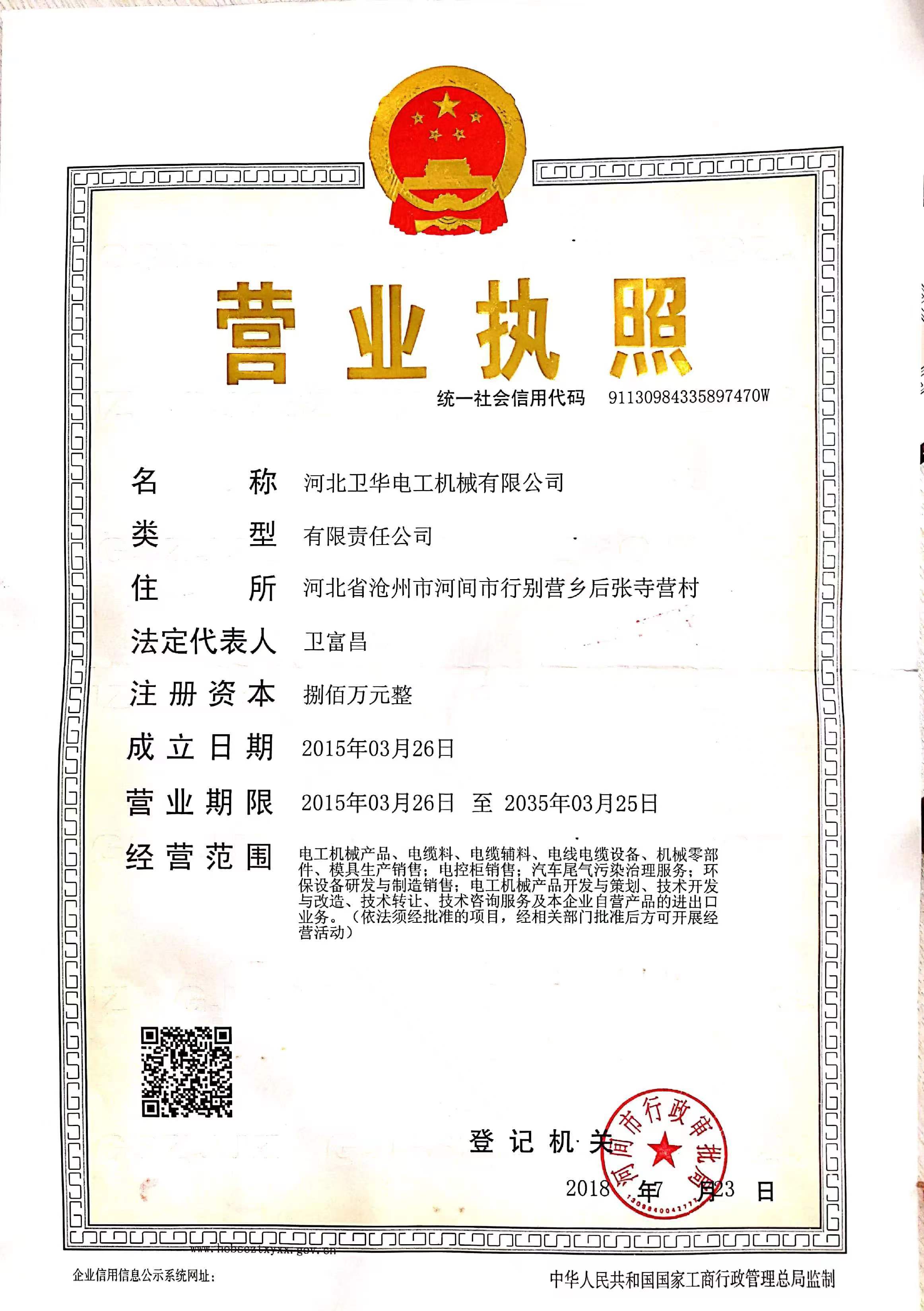
Weihua Electrical Machinery is a professional manufacturer of electrical machinery products integrating design, production, sales and service.




Exploring the Global Trends in Cable Production Line Technology
2025-06-26 13:00

Exploring the Global Trends in Cable Production Line Technology
Table of Contents
- Introduction to Cable Production Line Technology
- The Importance of Advanced Cable Production Lines
- Technological Advancements in Cable Production
- The Role of Automation in Cable Manufacturing
- Sustainability in Cable Production
- Global Market Trends Impacting Cable Production
- Challenges Facing the Cable Production Industry
- Future Outlook for Cable Production Technology
- Frequently Asked Questions
- Conclusion
Introduction to Cable Production Line Technology
Cable production line technology has undergone significant transformations over the past decades. As the demand for high-quality electrical wires and cables continues to grow, manufacturers are increasingly turning to advanced production line technologies to enhance efficiency and product quality. This article explores the current global trends in cable production line technology, highlighting innovations, sustainability efforts, market dynamics, and challenges within the industry.
The Importance of Advanced Cable Production Lines
In today's fast-paced technological landscape, the efficiency and reliability of cable production lines are vital. **Advanced cable production lines** not only streamline manufacturing processes but also ensure that products meet the required safety standards and specifications. These advancements translate to **higher productivity**, **lower operational costs**, and **enhanced product quality**, which are essential for manufacturers aiming to remain competitive in a global market.
Key Benefits of Advanced Cable Production Technology
- Improved Efficiency: Automation and modern machinery reduce production time and labor costs.
- Enhanced Quality Control: Advanced technology enables real-time monitoring and adjustments to manufacturing processes.
- Cost Savings: Streamlined operations lead to significant reductions in raw material wastage and energy consumption.
- Flexible Production Capabilities: Manufacturers can easily adjust production lines to accommodate various types of cables and customer demands.
Technological Advancements in Cable Production
The cable manufacturing industry is witnessing groundbreaking technological advancements that are redefining production processes. These innovations include the following:
Smart Manufacturing
The integration of **Internet of Things (IoT)** technology allows for smart manufacturing systems that enable manufacturers to monitor and control production processes remotely. This technology facilitates predictive maintenance, minimizes downtime, and ensures optimal performance.
Industry 4.0
The concept of **Industry 4.0** emphasizes the use of cyber-physical systems, IoT, and cloud computing in manufacturing. This approach enhances the connectivity of machines and systems, enabling real-time data collection and analysis to optimize production line performance.
High-Speed Production Lines
Manufacturers are investing in high-speed production lines designed to boost output without compromising quality. These lines feature advanced machinery capable of processing large volumes of materials efficiently, thereby meeting the increasing demand for cables.
The Role of Automation in Cable Manufacturing
Automation has revolutionized cable production by minimizing human intervention and enhancing precision. Automated systems can perform repetitive tasks with high accuracy, resulting in fewer errors and greater consistency in product quality.
Benefits of Automation in Cable Production
- Increased Production Speed: Automated systems can operate continuously, increasing overall production rates.
- Improved Safety: Automation reduces the risk of workplace accidents by minimizing manual handling of heavy materials.
- Consistent Quality: Automated processes ensure uniformity in production, leading to higher-quality cables.
- Data Collection: Automated systems provide valuable data that can be analyzed to optimize production processes further.
Sustainability in Cable Production
As global awareness of environmental issues grows, the cable manufacturing industry is increasingly focusing on sustainable practices. Manufacturers are adopting eco-friendly materials and processes to reduce their carbon footprint and contribute to a sustainable future.
Eco-Friendly Materials
The use of **recyclable materials** and **biodegradable plastics** is becoming more prevalent in cable production. These materials not only reduce environmental impact but also meet the growing consumer demand for sustainable products.
Energy-Efficient Manufacturing Processes
Investing in energy-efficient machinery and practices can significantly reduce the energy consumption of cable production lines. Manufacturers are exploring renewable energy sources, such as solar and wind power, to further enhance sustainability efforts.
Global Market Trends Impacting Cable Production
The cable production industry is influenced by various global market trends that shape its growth and development. Understanding these trends can help manufacturers adapt their strategies and remain competitive.
Growing Demand for Renewable Energy
With the world's shift towards renewable energy sources, there is an increased demand for high-quality cables used in solar, wind, and other renewable energy systems. This trend is driving innovation in cable production technologies to meet specific energy requirements.
Urbanization and Infrastructure Development
Rapid urbanization and infrastructure projects worldwide are fueling the demand for electrical cables. Governments and private sectors are investing heavily in developing smart cities and upgrading existing infrastructure, directly impacting cable production.
Technological Innovations in the Electrical Industry
As technology progresses, the electrical industry continues to evolve. Innovations such as electric vehicles (EVs) and smart grids require specialized cables, prompting manufacturers to invest in research and development to meet these new demands.
Challenges Facing the Cable Production Industry
Despite the advancements and opportunities, the cable production industry faces several challenges that manufacturers must navigate.
Raw Material Supply Chain Issues
The availability and cost of raw materials, such as copper and aluminum, can fluctuate due to market demand and geopolitical factors. Manufacturers must develop strategies to secure a stable supply of these essential materials.
Regulatory Compliance
Compliance with increasingly stringent environmental regulations poses a challenge for cable manufacturers. Staying abreast of local and international regulations is crucial for avoiding penalties and maintaining a positive brand image.
Technological Integration
Integrating new technologies into existing production lines can be complex and costly. Manufacturers must invest in training and resources to ensure a smooth transition to more advanced systems.
Future Outlook for Cable Production Technology
The future of cable production lies in continuous innovation and adaptation to changing market demands. As the industry evolves, manufacturers will need to focus on:
Investing in R&D
Research and development efforts will be vital for discovering new materials, enhancing production efficiency, and exploring sustainable practices.
Enhancing Supply Chain Resilience
Building a resilient supply chain that can withstand fluctuations in raw material availability will be essential for maintaining production stability.
Embracing Circular Economy Principles
Implementing circular economy practices, such as recycling and reusing materials, will help manufacturers reduce waste and improve sustainability in cable production.
Frequently Asked Questions
1. What are the key technologies driving cable production line improvements?
Key technologies include IoT, automation, Industry 4.0 practices, and high-speed machinery that enhance efficiency and product quality.
2. How is sustainability being integrated into cable production?
Manufacturers are adopting eco-friendly materials, energy-efficient processes, and recycling practices to minimize environmental impact.
3. What challenges do cable manufacturers face today?
Challenges include raw material supply chain issues, regulatory compliance, and the complexity of integrating new technologies.
4. Why is automation important in cable manufacturing?
Automation increases production speed, improves safety, and ensures consistent product quality by minimizing human errors.
5. What is the future outlook for the cable production industry?
The future will focus on continuous innovation, sustainable practices, and adapting to market demands, ensuring a resilient and efficient cable production landscape.
Conclusion
The global cable production line technology landscape is rapidly evolving, driven by advancements in automation, sustainability efforts, and changing market dynamics. As manufacturers embrace these trends, they can enhance efficiency, reduce costs, and meet the growing demand for high-quality electrical cables. By focusing on innovation and adaptability, the cable production industry is well-positioned to thrive in the future. As we continue to explore and implement these technological advancements, we can expect a more sustainable, efficient, and competitive cable manufacturing sector that meets the needs of tomorrow's electrical demands.
Exploring the Global Trends in Cable Production Line Technology
recommend reading
Key Features to Look for in a Cold Feed Rubber Extruder for Electrical Wiring
Key Features to Look for in a Cold Feed Rubber Extruder for Electrical Wiring Understanding Cold Feed Rubber Extruders Cold feed rubber extruders play a crucial role in the manufacturing of electrical wiring. These machines process raw rubber materials into various forms, ensuring they meet specific standards for electrical applications. Understanding the key features of cold feed rubber extruders
Understanding Rubber Extruders: Key Insights for the Electrical Industry
In the electrical and cable industry, the rubber extruder plays a pivotal role in the manufacturing process, particularly when it comes to producing insulation and jacketing for wires and cables. A rubber extruder is a machine that shapes rubber materials into specific profiles or forms by forcing them through a die. Understanding the fundamentals of rubber extruders can significantly enhance oper
The Essential Guide to Cable Types in Production Lines
The Essential Guide to Cable Types in Production Lines Table of Contents Introduction to Cable Types in Production Lines Understanding Different Types of Cables Single-Core vs. Multi-Core Cables: Which Is Right for You? Types of Cables Commonly Used in Production Lines Power Cables Control Cables Data Cables Specialty Cables
The Essential Role of Plastic Extruders in Cable Manufacturing
Plastic extruders play a pivotal role in the modern manufacturing of electrical wires and cables, particularly in the creation of insulation and protective coatings that ensure durability and performance. These machines are designed to melt plastic pellets and then force the molten material through a die to create continuous shapes, making them indispensable in the production of various cable comp
Comparative Analysis: Different Types of Wire and Cable Extrusion Production Lines
Comparative Analysis: Different Types of Wire and Cable Extrusion Production Lines Introduction to Wire and Cable Extrusion Extrusion is a critical process in the production of wires and cables. This procedure involves forcing molten material through a die to create a continuous product with a fixed cross-sectional profile. In the context of the electrical industry, wires and cables are pivotal fo
Understanding Cold Feed Rubber Extruders: A Key Component in Electrical Wire and Cable Manufacturing
In the realm of electrical wire and cable manufacturing, the cold feed rubber extruder stands out as a pivotal technology. This specialized piece of equipment is designed to process rubber compounds at ambient temperatures, offering several advantages over traditional extrusion methods. Understanding the functionality and benefits of cold feed rubber extruders can help manufacturers optimize their