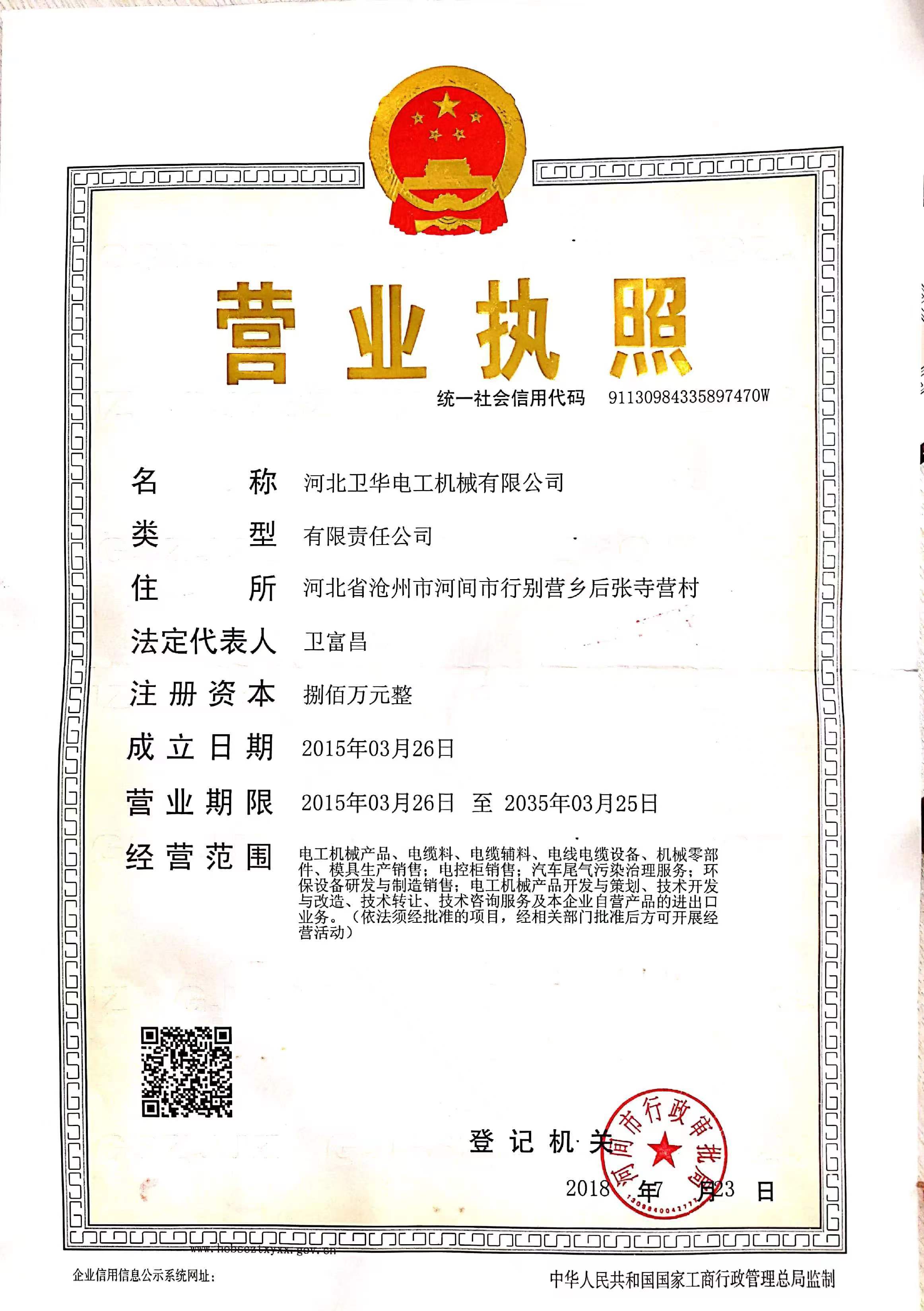
Weihua Electrical Machinery is a professional manufacturer of electrical machinery products integrating design, production, sales and service.




How to Evaluate the Performance of Your Cable Production Line: A Comprehensive Guide
2025-06-24 14:20

How to Evaluate the Performance of Your Cable Production Line
In the fast-paced world of cable production, maintaining an efficient and high-performing production line is critical for success. Understanding how to **evaluate the performance** of your cable production line can lead to significant improvements in both output quality and operational efficiency. This comprehensive guide will explore various metrics and techniques to assess cable production performance, ensuring that you can meet market demands while optimizing costs.
Table of Contents
- Understanding Cable Production Performance
- Key Performance Indicators (KPIs) for Cable Production
- Measuring Manufacturing Efficiency
- Assessing Product Quality in Cable Manufacturing
- Identifying Production Constraints
- Evaluating Workforce Efficiency
- Implementing Continuous Improvement Strategies
- Frequently Asked Questions
- Conclusion
Understanding Cable Production Performance
Evaluating the performance of a cable production line requires a deep understanding of what constitutes effective production. The process is not merely about the quantity of cables produced but also focuses on the quality, efficiency, and overall operational effectiveness. Recognizing these elements is essential for making informed decisions that enhance productivity and profitability.
The Importance of Performance Evaluation
Performance evaluation allows manufacturers to pinpoint areas needing improvement, helping to reduce waste, improve quality, and ensure customer satisfaction. Regular assessments also prepare businesses for evolving market demands, leading to enhanced competitiveness in the electrical wire and cable industry.
Key Performance Indicators (KPIs) for Cable Production
To assess the performance of a cable production line accurately, it is crucial to identify and monitor relevant Key Performance Indicators (KPIs). KPIs provide measurable values that can help gauge the effectiveness of production processes.
Common KPIs for Cable Production
1. **Overall Equipment Efficiency (OEE)**: This metric assesses how effectively a production line converts its manufacturing time into actual production time. A high OEE score indicates a well-functioning production system.
2. **Production Cycle Time**: This measures the time taken to produce a single unit of cable. Understanding cycle time can help identify bottlenecks in the production process.
3. **First Pass Yield (FPY)**: This KPI reflects the percentage of products that meet quality standards without requiring rework or scrap. A high FPY indicates efficient and effective production.
4. **Downtime**: Tracking both scheduled and unscheduled downtime provides insights into potential production inefficiencies.
5. **Scrap Rate**: This measures the amount of unusable product generated during the production process. Keeping this rate low is critical for reducing costs and improving profitability.
Measuring Manufacturing Efficiency
Manufacturing efficiency is a crucial aspect of cable production performance evaluation. It encompasses multiple factors, including machinery utilization, labor productivity, and the effectiveness of production processes.
Utilizing Technology for Efficiency Measurement
Modern manufacturing relies heavily on technology to enhance efficiency. Implementing **Manufacturing Execution Systems (MES)** can provide real-time data, enabling manufacturers to monitor performance metrics easily.
Data Analytics in Production
Employing data analytics can help identify trends and patterns in manufacturing processes. By analyzing historical data, manufacturers can make data-driven decisions to improve efficiency and optimize resource allocation.
Assessing Product Quality in Cable Manufacturing
Quality assessment is crucial in cable production, as it directly impacts customer satisfaction and compliance with industry standards. Implementing robust quality control measures ensures that products meet specifications consistently.
Quality Control Techniques
1. **Visual Inspection**: Regular visual checks can catch flaws in cables before they reach customers.
2. **Testing Standards**: Adhering to national and international testing standards (such as IEC or UL certifications) guarantees that products meet safety and performance benchmarks.
3. **Feedback Loops**: Setting up mechanisms for customer feedback can provide critical insights into product performance in real-world applications.
Identifying Production Constraints
Understanding and identifying constraints within the production process is vital for improving overall efficiency and output. Constraints can arise from various sources, including machinery limitations, labor issues, or supply chain disruptions.
Root Cause Analysis
Conducting a root cause analysis can help manufacturers uncover underlying problems affecting production. Techniques such as the **5 Whys** or **Fishbone Diagrams** can facilitate this process, leading to effective solutions.
Evaluating Workforce Efficiency
A well-trained and motivated workforce is essential for maintaining high levels of productivity in cable production. Evaluating workforce efficiency should focus on skills, engagement, and output.
Training and Development
Investing in continuous training programs ensures that employees are adept at using the latest technologies and methodologies. This investment not only enhances individual performance but also contributes to the overall efficiency of the production line.
Employee Engagement
Engaged employees are typically more productive. Creating an environment that fosters motivation, open communication, and recognition can significantly enhance workforce efficiency.
Implementing Continuous Improvement Strategies
The journey of performance evaluation does not end with identifying issues; continuous improvement is key to maintaining a competitive edge.
Lean Manufacturing Principles
Adopting **lean manufacturing principles** can help streamline processes, eliminate waste, and enhance overall efficiency. Techniques like **5S** (Sort, Set in order, Shine, Standardize, Sustain) can be instrumental in creating a more organized and efficient workplace.
Kaizen Approach
Implementing the **Kaizen approach** encourages ongoing, incremental improvements. Engaging employees at all levels in the improvement process fosters a culture of innovation and accountability.
Frequently Asked Questions
1. What is the best KPI to track for cable production?
The best KPI to track may vary depending on specific business goals, but Overall Equipment Efficiency (OEE) is widely regarded as a comprehensive metric.
2. How often should I evaluate my cable production line?
Regular evaluations should occur at least quarterly, but monthly assessments may be beneficial for identifying trends and making timely adjustments.
3. What role does technology play in performance evaluation?
Technology plays a crucial role in providing real-time data and analytics, helping manufacturers quickly identify inefficiencies and make informed decisions.
4. How can I reduce scrap rates in cable production?
Improving training, refining production processes, and implementing strict quality control measures can significantly reduce scrap rates.
5. Is workforce training necessary for production efficiency?
Absolutely. Continuous workforce training ensures that employees are equipped with the latest skills and knowledge, directly impacting productivity.
Conclusion
Evaluating the performance of your cable production line is an ongoing process that demands attention to various aspects, including efficiency, quality, and workforce engagement. By understanding and applying the appropriate metrics and strategies, manufacturers can optimize operations, reduce costs, and ultimately gain a competitive edge in the electrical wiring and cable industry. Implementing continuous improvement strategies ensures that your production line remains agile and responsive to market demands, setting the stage for long-term success.
How to Evaluate the Performance of Your Cable Production Line: A Comprehensive Guide
recommend reading
Key Features to Look for in a Cold Feed Rubber Extruder for Electrical Wiring
Key Features to Look for in a Cold Feed Rubber Extruder for Electrical Wiring Understanding Cold Feed Rubber Extruders Cold feed rubber extruders play a crucial role in the manufacturing of electrical wiring. These machines process raw rubber materials into various forms, ensuring they meet specific standards for electrical applications. Understanding the key features of cold feed rubber extruders
Understanding Rubber Extruders: Key Insights for the Electrical Industry
In the electrical and cable industry, the rubber extruder plays a pivotal role in the manufacturing process, particularly when it comes to producing insulation and jacketing for wires and cables. A rubber extruder is a machine that shapes rubber materials into specific profiles or forms by forcing them through a die. Understanding the fundamentals of rubber extruders can significantly enhance oper
The Essential Guide to Cable Types in Production Lines
The Essential Guide to Cable Types in Production Lines Table of Contents Introduction to Cable Types in Production Lines Understanding Different Types of Cables Single-Core vs. Multi-Core Cables: Which Is Right for You? Types of Cables Commonly Used in Production Lines Power Cables Control Cables Data Cables Specialty Cables
The Essential Role of Plastic Extruders in Cable Manufacturing
Plastic extruders play a pivotal role in the modern manufacturing of electrical wires and cables, particularly in the creation of insulation and protective coatings that ensure durability and performance. These machines are designed to melt plastic pellets and then force the molten material through a die to create continuous shapes, making them indispensable in the production of various cable comp
Comparative Analysis: Different Types of Wire and Cable Extrusion Production Lines
Comparative Analysis: Different Types of Wire and Cable Extrusion Production Lines Introduction to Wire and Cable Extrusion Extrusion is a critical process in the production of wires and cables. This procedure involves forcing molten material through a die to create a continuous product with a fixed cross-sectional profile. In the context of the electrical industry, wires and cables are pivotal fo
Understanding Cold Feed Rubber Extruders: A Key Component in Electrical Wire and Cable Manufacturing
In the realm of electrical wire and cable manufacturing, the cold feed rubber extruder stands out as a pivotal technology. This specialized piece of equipment is designed to process rubber compounds at ambient temperatures, offering several advantages over traditional extrusion methods. Understanding the functionality and benefits of cold feed rubber extruders can help manufacturers optimize their