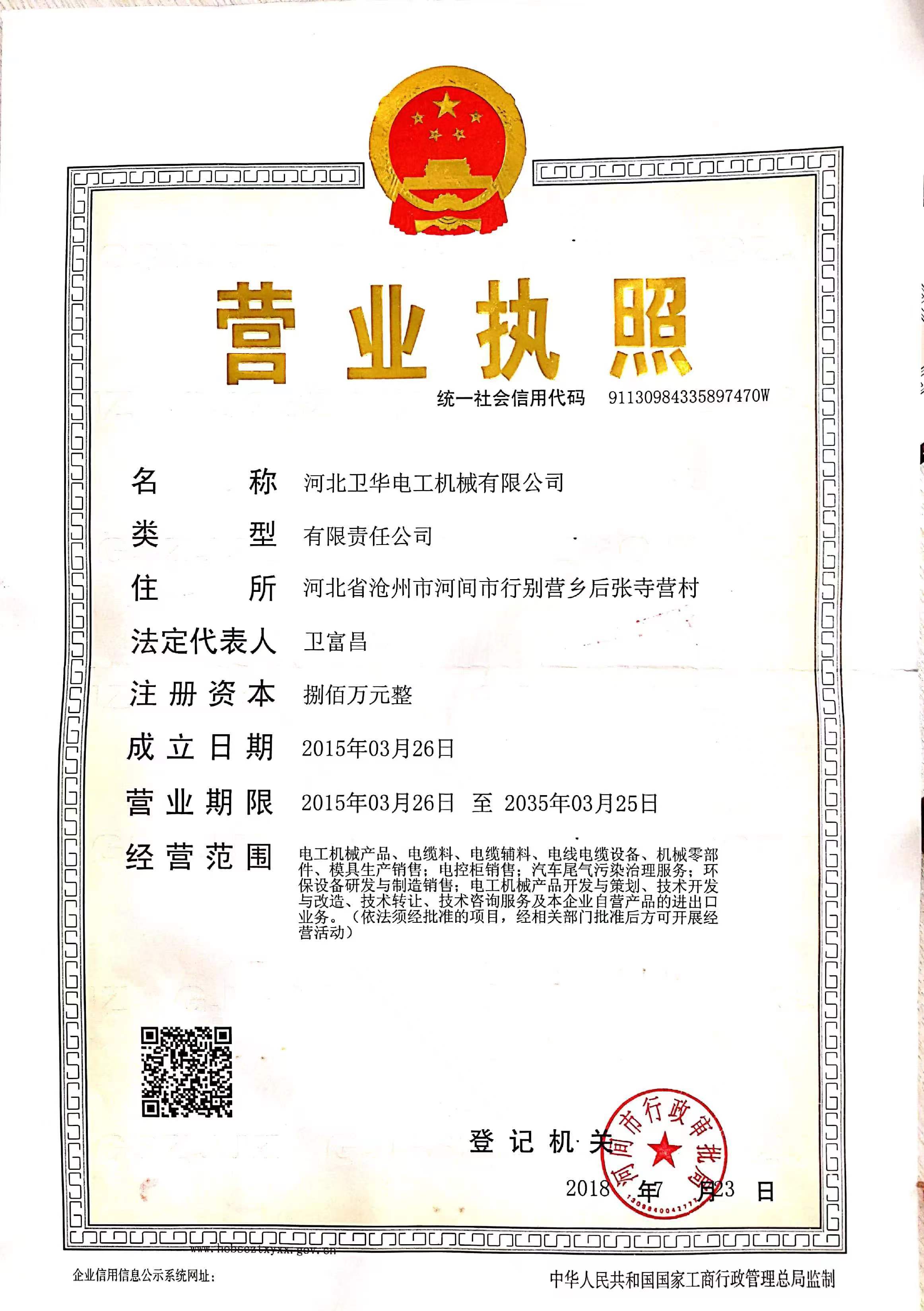
Weihua Electrical Machinery is a professional manufacturer of electrical machinery products integrating design, production, sales and service.




How to Choose the Right Plastic Extruder for Your Cable Manufacturing Needs
2025-06-22 13:00

How to Choose the Right Plastic Extruder for Your Cable Manufacturing Needs
Introduction to Plastic Extruders in Cable Manufacturing
In the realm of cable manufacturing, the choice of the right plastic extruder can significantly influence production efficiency and product quality. Plastic extruders are vital machinery that converts raw plastic pellets into usable forms for cable insulation, sheathing, and other components. Understanding the various types of extruders and their functionalities is essential for optimizing your manufacturing process.
Understanding Plastic Extrusion Technology
Plastic extrusion is a high-volume manufacturing process used to create products with a fixed cross-sectional profile. Branded for its versatility, extrusion can produce a wide range of products, including wires, cables, pipes, and more. The process involves melting plastic and forcing it through a die to form the desired shape.
Types of Plastic Extruders
When considering an extruder for cable manufacturing, it is crucial to be aware of the various types available:
1. Single-Screw Extruders
Single-screw extruders are the most common type used in the industry. They consist of a single screw rotating inside a barrel, providing a straightforward solution for a variety of applications. These extruders are prevalent due to their simplicity and cost-effectiveness, making them suitable for numerous cable manufacturing needs.
2. Twin-Screw Extruders
Twin-screw extruders are more complex, featuring two intermeshing screws that enhance mixing and conveying capabilities. This type is ideal for producing high-quality compounds and is particularly effective for blending different materials. Twin-screw extruders offer improved consistency and control, making them a preferred choice for advanced cable applications.
3. Co-Extruders
Co-extruders allow manufacturers to produce cables with multiple layers. By using two or more extruders simultaneously, co-extrusion enables the layering of different materials, improving performance characteristics such as flexibility, durability, and insulation.
Key Features to Consider When Choosing an Extruder
Selecting the right extruder goes beyond understanding types; several key features must be evaluated:
1. Production Capacity
Assessing your production needs is crucial. Different extruders offer varying throughput rates. Determine the volume of cable you intend to produce to select an extruder that can meet your production capacity without sacrificing quality.
2. Material Compatibility
Not all extruders work well with every type of plastic. Ensure that the extruder you choose is compatible with the specific polymers required for your cable manufacturing. Common materials include PVC, PE, and TPU, each with unique processing characteristics.
3. Temperature Control
Effective temperature control is vital for maintaining product quality. Look for extruders equipped with advanced temperature regulation systems to achieve consistent melting and processing of materials, reducing the risk of defects.
4. Energy Efficiency
In today's eco-conscious environment, energy efficiency plays a significant role in selecting machinery. Opt for extruders designed to minimize energy consumption without compromising performance. This not only lowers operational costs but also contributes to sustainability efforts.
5. Ease of Maintenance and Operation
An extruder that is difficult to maintain can lead to prolonged downtimes. Choose a model that offers user-friendly controls and easy access for maintenance, ensuring that your production line remains efficient and operational.
Evaluating Extruder Manufacturers
Once you have a clear understanding of your needs and the features to look for, it is essential to evaluate the manufacturers themselves.
1. Reputation and Reliability
Research manufacturers and their reputations within the industry. Look for reviews, case studies, and testimonials from other cable manufacturers who have used their products. A reliable manufacturer will provide not only quality machines but also excellent customer support.
2. After-Sales Support and Service
Consider the level of after-sales support offered. A manufacturer that provides comprehensive support, including training, maintenance, and troubleshooting, can significantly enhance your production capabilities.
3. Warranty and Guarantee
Examine the warranty terms offered with the extruder. A robust warranty reflects the manufacturer’s confidence in their product and provides peace of mind for your investment.
Cost Considerations for Plastic Extruders
Budget plays a critical role in the decision-making process. Here’s how to navigate costs:
1. Initial Investment vs. Long-Term Savings
While it may be tempting to opt for the lowest-priced option, evaluate the long-term savings associated with energy efficiency and maintenance costs. Sometimes, investing more upfront can lead to greater savings in the long run.
2. Total Cost of Ownership
Assess the total cost of ownership, which includes initial purchase, installation, maintenance, and operational costs. This comprehensive view will help you make a more informed decision.
Implementing the Right Extruder in Your Production Line
After selecting the right extruder, effective implementation is vital for maximizing productivity.
1. Training Your Team
Ensure that your team is adequately trained in operating the new extruder. A well-trained workforce can significantly reduce errors and improve efficiency over time.
2. Regular Maintenance and Monitoring
Establish a regular maintenance schedule to keep your extruder in optimal working condition. Monitoring performance metrics can help identify potential issues before they escalate.
Future Trends in Plastic Extrusion Technology
Staying informed about future trends can give you a competitive edge.
1. Smart Extrusion Technology
Emerging technologies, such as IoT integration and smart sensors, are transforming how extrusion processes are monitored and controlled. These technologies provide real-time data, enabling manufacturers to optimize settings and improve product quality.
2. Sustainable Materials and Processes
The demand for sustainable practices is on the rise. Future plastic extruders may need to accommodate biodegradable and recycled materials, adapting to changing market demands.
FAQs About Choosing the Right Plastic Extruder
1. What is the most common type of plastic extruder used in cable manufacturing?
Single-screw extruders are the most common due to their simplicity and versatility, though twin-screw extruders are preferred for specific applications requiring intricate mixing.
2. How do I determine the right extruder size for my production?
Calculate your required output per hour and compare it to the extruder's capacity, considering factors like material type and production efficiency.
3. What materials can a plastic extruder process?
Plastic extruders can process various materials, including PVC, polyethylene (PE), and thermoplastic elastomers (TPE), among others.
4. How do I maintain my plastic extruder?
Regular cleaning, proper lubrication, and periodic inspections of components are crucial for maintaining your extruder. Follow the manufacturer's guidelines for specific maintenance routines.
5. Can I upgrade my existing extruder?
In many cases, existing extruders can be upgraded with new components or technologies to improve efficiency and performance. Consult with the manufacturer or a technician for recommendations.
Conclusion
Choosing the right plastic extruder is a pivotal decision in cable manufacturing. By understanding the different types of extruders, key features to consider, and the importance of manufacturer reputation, you can make an informed choice that aligns with your production goals. Investing time in evaluating your options will pay off in enhanced efficiency, product quality, and, ultimately, profitability. As technology continues to evolve, staying abreast of industry trends will further empower your manufacturing capabilities.
How to Choose the Right Plastic Extruder for Your Cable Manufacturing Needs
recommend reading
Key Features to Look for in a Cold Feed Rubber Extruder for Electrical Wiring
Key Features to Look for in a Cold Feed Rubber Extruder for Electrical Wiring Understanding Cold Feed Rubber Extruders Cold feed rubber extruders play a crucial role in the manufacturing of electrical wiring. These machines process raw rubber materials into various forms, ensuring they meet specific standards for electrical applications. Understanding the key features of cold feed rubber extruders
Understanding Rubber Extruders: Key Insights for the Electrical Industry
In the electrical and cable industry, the rubber extruder plays a pivotal role in the manufacturing process, particularly when it comes to producing insulation and jacketing for wires and cables. A rubber extruder is a machine that shapes rubber materials into specific profiles or forms by forcing them through a die. Understanding the fundamentals of rubber extruders can significantly enhance oper
The Essential Guide to Cable Types in Production Lines
The Essential Guide to Cable Types in Production Lines Table of Contents Introduction to Cable Types in Production Lines Understanding Different Types of Cables Single-Core vs. Multi-Core Cables: Which Is Right for You? Types of Cables Commonly Used in Production Lines Power Cables Control Cables Data Cables Specialty Cables
The Essential Role of Plastic Extruders in Cable Manufacturing
Plastic extruders play a pivotal role in the modern manufacturing of electrical wires and cables, particularly in the creation of insulation and protective coatings that ensure durability and performance. These machines are designed to melt plastic pellets and then force the molten material through a die to create continuous shapes, making them indispensable in the production of various cable comp
Comparative Analysis: Different Types of Wire and Cable Extrusion Production Lines
Comparative Analysis: Different Types of Wire and Cable Extrusion Production Lines Introduction to Wire and Cable Extrusion Extrusion is a critical process in the production of wires and cables. This procedure involves forcing molten material through a die to create a continuous product with a fixed cross-sectional profile. In the context of the electrical industry, wires and cables are pivotal fo
Understanding Cold Feed Rubber Extruders: A Key Component in Electrical Wire and Cable Manufacturing
In the realm of electrical wire and cable manufacturing, the cold feed rubber extruder stands out as a pivotal technology. This specialized piece of equipment is designed to process rubber compounds at ambient temperatures, offering several advantages over traditional extrusion methods. Understanding the functionality and benefits of cold feed rubber extruders can help manufacturers optimize their