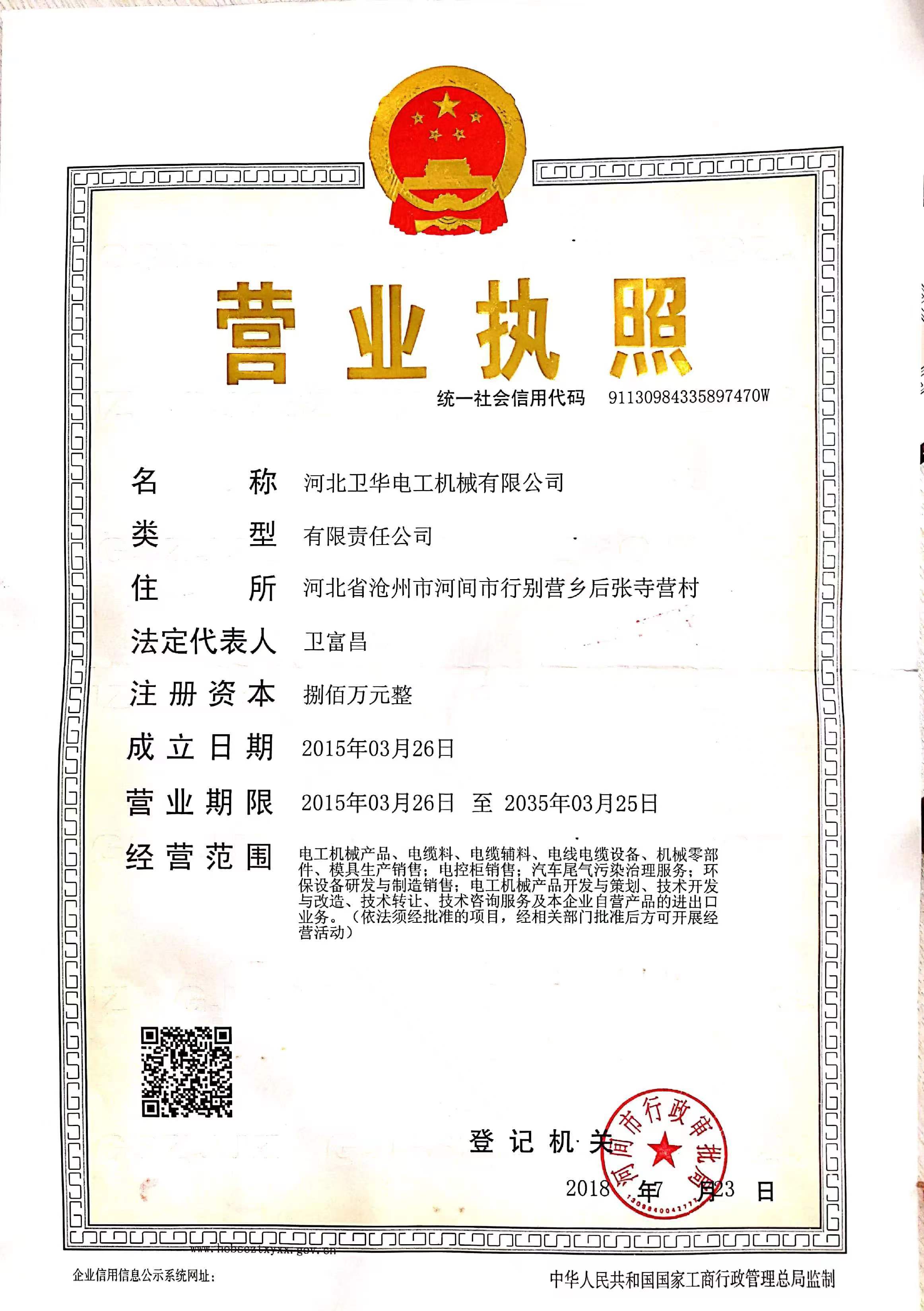
Weihua Electrical Machinery is a professional manufacturer of electrical machinery products integrating design, production, sales and service.




How a Wire and Cable Extrusion Production Line Can Boost Your Manufacturing Process
2025-06-16 13:20

How a Wire and Cable Extrusion Production Line Can Boost Your Manufacturing Process
In today’s competitive landscape, enhancing efficiency and productivity in manufacturing processes is vital. For businesses in the electrical wiring industry, incorporating a **wire and cable extrusion production line** can significantly transform operations. This article delves into how this technology can optimize your manufacturing process, improve product quality, and ultimately contribute to your bottom line.
Understanding Wire and Cable Extrusion: The Basics
Before we dive into the benefits of a wire and cable extrusion production line, it’s essential to understand what extrusion entails. In simple terms, extrusion is a manufacturing process where materials are shaped by forcing them through a die. This method is widely utilized for producing wires and cables due to its efficiency and the quality of the final products.
What Types of Wires and Cables Are Produced?
The extrusion process can produce a variety of wires and cables, including but not limited to:
- **Power Cables**: Essential for transmitting electricity over long distances.
- **Control Cables**: Used for automation and control in machinery.
- **Data Cables**: Necessary for communication and data transfer.
Understanding the types of wires and cables is crucial for determining the specific needs of your production line.
The Advantages of a Wire and Cable Extrusion Production Line
Investing in a wire and cable extrusion production line offers numerous advantages that can enhance your operational efficiency and product quality.
1. Increased Production Efficiency
One of the most significant benefits of an extrusion production line is the ability to increase production efficiency. The process allows for continuous production, which means less downtime and higher output. This efficiency translates directly into cost savings and faster order fulfillment.
2. Improved Product Quality and Consistency
Extrusion technology ensures that products are manufactured with high precision. By controlling variables such as temperature and pressure, manufacturers can produce cables that meet tight tolerances and specifications. This level of quality reduces the likelihood of defects and reworks, improving overall customer satisfaction.
3. Flexibility in Production
A modern wire and cable extrusion production line can easily adapt to various production needs. Whether you need to produce different types of cables or adjust the specifications for a particular project, flexibility in production ensures that your business can respond quickly to changing demands.
4. Reduction in Material Waste
Extrusion helps minimize material waste through precise control of the production process. By optimizing the extrusion conditions and utilizing advanced technology, manufacturers can ensure that almost all the raw material is converted into finished products, thereby reducing costs and environmental impact.
5. Cost-Effectiveness
While the initial investment in extrusion technology can be significant, the long-term savings outweigh the costs. Increased efficiency, reduced waste, and lower labor costs contribute to a more profitable operation.
Types of Extrusion Equipment for Wire and Cable Production
When considering the implementation of a wire and cable extrusion production line, various types of equipment are crucial to the process.
1. Extruders
The heart of any extrusion line is the extruder. Various types of extruders, including single-screw and twin-screw extruders, are available. Twin-screw extruders offer better mixing and are optimal for producing complex cable compounds.
2. Cooling Systems
Cooling systems play a vital role in the extrusion process. They ensure that the extruded materials retain their desired shape and properties. Efficient cooling systems help in maintaining the quality of the extruded wires and cables.
3. Die Equipment
The die is responsible for shaping the extruded material. Custom die designs can produce various cable shapes and sizes, allowing for versatility in production. Investing in high-quality die equipment can result in better product quality and reduced production time.
4. Take-Up and Pay-Off Equipment
These systems are essential for handling the finished product. Take-up equipment coils the finished cables, while pay-off equipment ensures smooth feeding into the production line. Efficient handling systems contribute to maintaining production flow.
Technology Advancements in Wire and Cable Extrusion
Recent technological advancements have revolutionized the wire and cable extrusion industry. Embracing these innovations can help improve your manufacturing process.
1. Automation and Industry 4.0
Integrating automation into the extrusion process boosts productivity and minimizes human error. Automation systems can manage various operations, from extrusion to quality control, ensuring a seamless manufacturing process.
2. Real-Time Monitoring Systems
Modern extrusion lines are equipped with **real-time monitoring systems** that track critical parameters during production. This technology allows for immediate adjustments, ensuring optimal performance and enhancing product quality.
3. Advanced Material Formulations
The development of new materials and formulations enhances the performance characteristics of wire and cable products. Utilizing advanced materials can lead to cables with improved durability, flexibility, and resistance to environmental factors.
Steps to Implementing an Extrusion Production Line
Implementing a wire and cable extrusion production line involves several critical steps to ensure a successful transition.
1. Assessing Production Needs
Begin by evaluating your current production capabilities and identifying areas that need improvement. Understanding your production goals will help determine the appropriate equipment and technology required.
2. Selecting the Right Equipment
Choosing the right extrusion equipment is crucial for the success of your production line. Partner with reputable manufacturers to ensure that you acquire high-quality machines tailored to your specific needs.
3. Training Staff
Investing in training for your staff is essential. Proper training ensures that operators can efficiently handle the equipment and understand the intricacies of the extrusion process.
4. Continuous Improvement
Once your production line is up and running, continuously monitor performance and seek areas for improvement. Stay informed about industry trends and technological advancements to keep your manufacturing process competitive.
Common Challenges in Wire and Cable Extrusion
While the benefits of a wire and cable extrusion production line are significant, several challenges may arise.
1. Material Variability
Different raw materials may behave differently during the extrusion process. Variability in material properties can impact product quality. Conducting thorough testing and maintaining strict quality control can help mitigate this issue.
2. Equipment Maintenance
Regular maintenance is crucial to prevent breakdowns and ensure smooth production. Establish a maintenance schedule to keep your equipment in top condition.
3. Meeting Regulatory Standards
The wire and cable industry is subject to various regulations and standards. Ensuring compliance with these requirements can be challenging but is essential for product acceptance in the market.
FAQs About Wire and Cable Extrusion Production Lines
1. What is the average cost of a wire and cable extrusion production line?
The cost can vary significantly based on the equipment and technology, ranging from tens of thousands to several million dollars.
2. How long does it take to set up an extrusion production line?
Setup times can vary but typically range from a few weeks to several months, depending on the complexity of the system.
3. What materials can be used in wire and cable extrusion?
Common materials include PVC, polyethylene, rubber, and thermoplastic elastomers, among others.
4. Can an extrusion line be adapted for different cable types?
Yes, modern extrusion lines are designed to be versatile and can be adjusted for various cable types and sizes.
5. How can I improve the efficiency of my current extrusion process?
Consider upgrading equipment, implementing real-time monitoring, and providing staff training to enhance efficiency.
Conclusion
Incorporating a **wire and cable extrusion production line** into your manufacturing process can yield substantial benefits, including increased efficiency, improved product quality, and cost savings. By staying abreast of technological advancements and continuously optimizing operations, manufacturers can maintain a competitive edge in the ever-evolving electrical wiring industry. Investing in this technology not only enhances production capabilities but also helps meet the growing demands of the market, ensuring that your business thrives in the long run.
How a Wire and Cable Extrusion Production Line Can Boost Your Manufacturing Process
recommend reading
Key Features to Look for in a Cold Feed Rubber Extruder for Electrical Wiring
Key Features to Look for in a Cold Feed Rubber Extruder for Electrical Wiring Understanding Cold Feed Rubber Extruders Cold feed rubber extruders play a crucial role in the manufacturing of electrical wiring. These machines process raw rubber materials into various forms, ensuring they meet specific standards for electrical applications. Understanding the key features of cold feed rubber extruders
Understanding Rubber Extruders: Key Insights for the Electrical Industry
In the electrical and cable industry, the rubber extruder plays a pivotal role in the manufacturing process, particularly when it comes to producing insulation and jacketing for wires and cables. A rubber extruder is a machine that shapes rubber materials into specific profiles or forms by forcing them through a die. Understanding the fundamentals of rubber extruders can significantly enhance oper
The Essential Guide to Cable Types in Production Lines
The Essential Guide to Cable Types in Production Lines Table of Contents Introduction to Cable Types in Production Lines Understanding Different Types of Cables Single-Core vs. Multi-Core Cables: Which Is Right for You? Types of Cables Commonly Used in Production Lines Power Cables Control Cables Data Cables Specialty Cables
The Essential Role of Plastic Extruders in Cable Manufacturing
Plastic extruders play a pivotal role in the modern manufacturing of electrical wires and cables, particularly in the creation of insulation and protective coatings that ensure durability and performance. These machines are designed to melt plastic pellets and then force the molten material through a die to create continuous shapes, making them indispensable in the production of various cable comp
Comparative Analysis: Different Types of Wire and Cable Extrusion Production Lines
Comparative Analysis: Different Types of Wire and Cable Extrusion Production Lines Introduction to Wire and Cable Extrusion Extrusion is a critical process in the production of wires and cables. This procedure involves forcing molten material through a die to create a continuous product with a fixed cross-sectional profile. In the context of the electrical industry, wires and cables are pivotal fo
Understanding Cold Feed Rubber Extruders: A Key Component in Electrical Wire and Cable Manufacturing
In the realm of electrical wire and cable manufacturing, the cold feed rubber extruder stands out as a pivotal technology. This specialized piece of equipment is designed to process rubber compounds at ambient temperatures, offering several advantages over traditional extrusion methods. Understanding the functionality and benefits of cold feed rubber extruders can help manufacturers optimize their