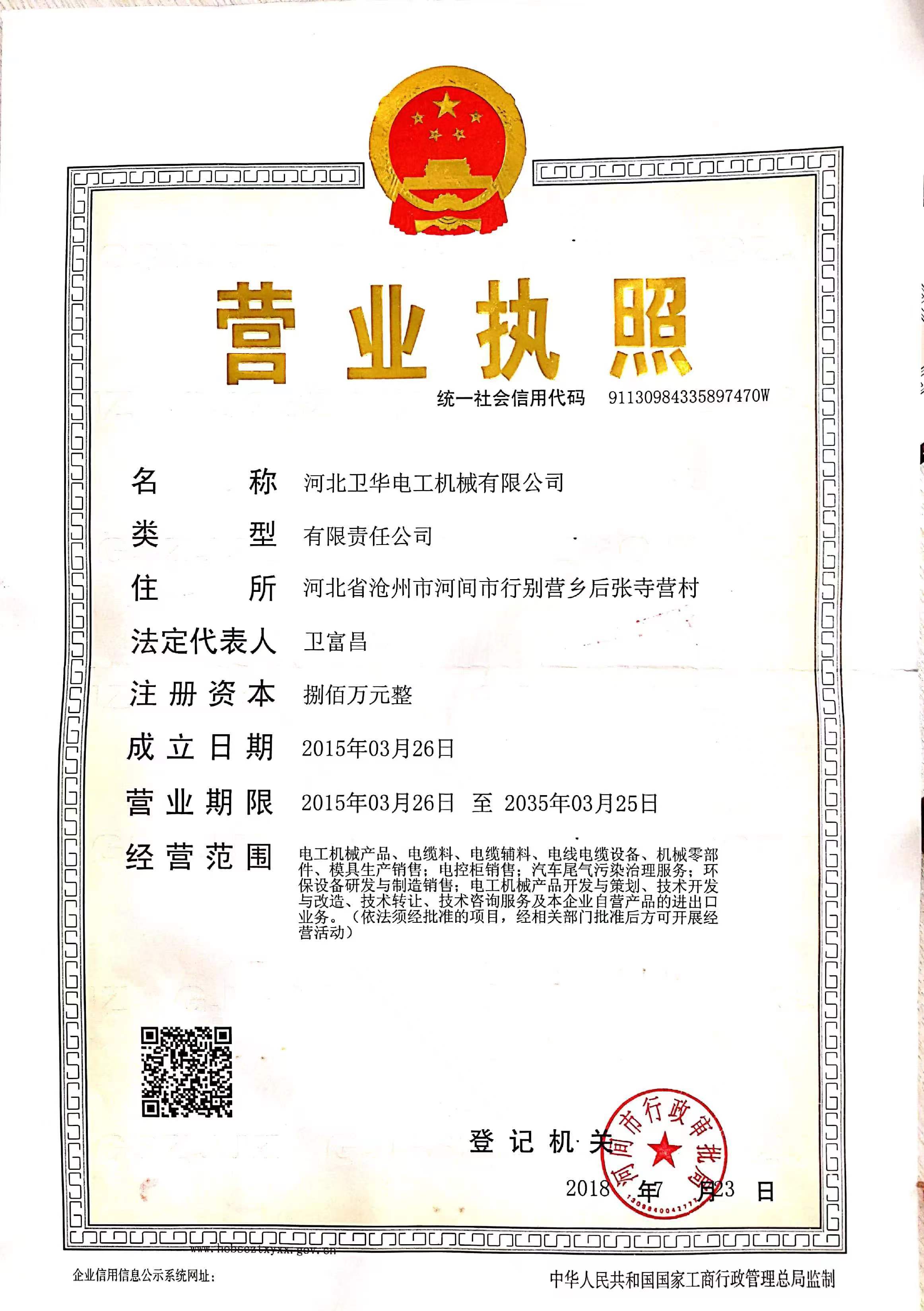
Weihua Electrical Machinery is a professional manufacturer of electrical machinery products integrating design, production, sales and service.




The Future of Electrical Cables: Innovations in Plastic Extrusion
2025-06-14 12:40

The Future of Electrical Cables: Innovations in Plastic Extrusion
Table of Contents
- 1. Introduction to Electrical Cables and Plastic Extrusion
- 2. The Importance of Electrical Cables in Modern Applications
- 3. Understanding Plastic Extrusion in Cable Production
- 4. Innovations in Plastic Materials for Electrical Cables
- 5. Enhancing Cable Performance through Advanced Extrusion Techniques
- 6. Sustainability in Electrical Cable Manufacturing
- 7. The Future Landscape of Electrical Cable Technologies
- 8. Frequently Asked Questions (FAQs)
- 9. Conclusion
1. Introduction to Electrical Cables and Plastic Extrusion
Electrical cables are the lifelines that connect our homes and industries to power sources. Over the years, their design and manufacturing processes have significantly evolved, particularly with the advent of **plastic extrusion**. This method revolutionizes how electrical cables are produced, enhancing their quality while reducing costs. In this article, we delve into the future of electrical cables, focusing on innovations in plastic extrusion that are shaping the industry.
2. The Importance of Electrical Cables in Modern Applications
Electricity powers nearly every aspect of contemporary life. From residential homes to sprawling industrial complexes, electrical cables are fundamental to energy distribution. Their primary functions extend beyond mere connectivity; they ensure safety, efficiency, and reliability in power transmission. As technology progresses, the demand for advanced electrical cables grows, leading to innovations that enhance their functionality and durability.
3. Understanding Plastic Extrusion in Cable Production
Plastic extrusion is a manufacturing process where raw plastic is melted and formed into a continuous profile. This process is integral to producing the insulation and sheathing materials for electrical cables. During extrusion, the plastic is heated to a high temperature until it becomes malleable, then forced through a die to achieve the desired shape. The extruded product is then cooled and hardened, resulting in a durable and flexible cable solution.
3.1 The Process of Plastic Extrusion
The plastic extrusion process involves several key steps:
- **Material Selection**: Choosing the right type of plastic, such as PVC, polyethylene, or thermoplastic elastomers, based on specific electrical and mechanical properties needed for the cable.
- **Melting and Extruding**: The selected plastic is heated in a barrel and forced through a shaped die, forming the insulation or jacket of the cable.
- **Cooling**: The extruded cable is cooled using air or water, solidifying the shape.
- **Quality Control**: Throughout the process, strict quality control measures are enforced to ensure the cable meets industry standards.
4. Innovations in Plastic Materials for Electrical Cables
The materials used in the production of electrical cables are continually evolving. Recent innovations in plastic compounds have led to significant improvements in performance and safety. These advancements include:
4.1 Enhanced Thermal Stability
New formulations of thermoplastic materials exhibit superior thermal stability, allowing cables to operate efficiently at higher temperatures without compromising their integrity. This is crucial for applications in industries like automotive and aerospace where cables are exposed to extreme conditions.
4.2 Improved Fire Resistance
Recent developments have introduced flame-retardant materials that significantly reduce the risk of fire hazards associated with electrical cables. These materials help protect lives and property by slowing down the spread of flames in the event of a fire.
4.3 Eco-friendly Materials
The push towards sustainability has led manufacturers to explore biodegradable and recyclable plastics. Eco-friendly materials not only reduce environmental impact but also cater to a growing market demand for green products.
5. Enhancing Cable Performance through Advanced Extrusion Techniques
Innovations in extrusion techniques are critical for improving the performance of electrical cables. These methods focus on enhancing the physical and electrical properties of cables through precision engineering.
5.1 Multi-Layer Extrusion
This technique involves producing cables with multiple layers, each serving a distinct purpose—such as insulation, shielding, and protection. Multi-layer extrusion allows for the integration of different materials, optimizing performance while maintaining flexibility.
5.2 Co-Extrusion
Co-extrusion combines two or more materials in a single extrusion process, resulting in cables with improved properties such as resistance to moisture and abrasion. This technique allows manufacturers to create specialized cables tailored to specific applications.
5.3 Advanced Cooling Techniques
Implementing advanced cooling methods, such as forced air or liquid cooling, ensures that the extruded cables maintain their intended properties. Proper cooling is essential for achieving the desired tensile strength and flexibility in the final product.
6. Sustainability in Electrical Cable Manufacturing
As global awareness of environmental issues grows, the electrical cable industry is shifting towards sustainable practices. Manufacturers are increasingly adopting methods that minimize waste and reduce carbon footprints.
6.1 Recycling Initiatives
Many companies are implementing recycling programs that reclaim old cables and reuse materials in new products. This not only conserves resources but also reduces landfill waste.
6.2 Life Cycle Assessment
Conducting life cycle assessments (LCA) helps manufacturers understand the environmental impact of their products from production to disposal. This knowledge allows for more informed decisions regarding material selection and production methods.
6.3 Energy-Efficient Manufacturing Processes
Investments in energy-efficient machinery and renewable energy sources in production facilities contribute to lower greenhouse gas emissions. By optimizing energy use, manufacturers can play a significant role in combating climate change.
7. The Future Landscape of Electrical Cable Technologies
The future of electrical cables is closely tied to technological advancements and ever-evolving market demands. Key trends shaping this future include:
7.1 Smart Cables
With the rise of the Internet of Things (IoT), the integration of smart technologies into electrical cables is on the horizon. Smart cables equipped with sensors can monitor electrical flow, detect faults, and optimize energy usage in real-time.
7.2 Increased Flexibility and Lightweight Solutions
Future electrical cables will emphasize flexibility and weight reduction without sacrificing performance. This is particularly relevant in industries where space and weight are critical factors, such as in automotive and aerospace applications.
7.3 Enhanced Connectivity Solutions
As the demand for faster and more efficient data transmission grows, innovations in cable design will play a pivotal role. High-speed data cables that support advanced communication technologies will become increasingly prevalent.
8. Frequently Asked Questions (FAQs)
8.1 What is plastic extrusion in electrical cables?
Plastic extrusion is a manufacturing process where heated plastic is formed into continuous shapes to create insulation and sheathing for electrical cables.
8.2 What materials are commonly used in electrical cables?
Common materials include PVC, polyethylene, and thermoplastic elastomers, each selected based on their electrical and mechanical properties.
8.3 How do innovations in cable technology impact safety?
Innovations such as flame-retardant materials and enhanced thermal stability significantly improve the safety of electrical cables, reducing the risks associated with electrical fires and failures.
8.4 What role does sustainability play in cable manufacturing?
Sustainability is becoming central to cable manufacturing, with practices like recycling, energy-efficient processes, and the use of eco-friendly materials helping to reduce environmental impact.
8.5 How can I choose the right electrical cable for my needs?
Selecting the right electrical cable depends on factors such as voltage requirements, environmental conditions, and specific application needs. Consulting with a qualified professional can provide guidance tailored to your situation.
9. Conclusion
The future of electrical cables is bright, driven by innovations in plastic extrusion and material science. As we continue to embrace new technologies and sustainable practices, the electrical cable industry is poised for significant growth and transformation. By understanding and implementing these advancements, manufacturers can ensure that they meet the ever-evolving demands of the market while maintaining safety, efficiency, and environmental responsibility. The journey ahead promises exciting developments that will redefine how we connect and utilize electricity in our daily lives and industries.
The Future of Electrical Cables: Innovations in Plastic Extrusion
recommend reading
Key Features to Look for in a Cold Feed Rubber Extruder for Electrical Wiring
Key Features to Look for in a Cold Feed Rubber Extruder for Electrical Wiring Understanding Cold Feed Rubber Extruders Cold feed rubber extruders play a crucial role in the manufacturing of electrical wiring. These machines process raw rubber materials into various forms, ensuring they meet specific standards for electrical applications. Understanding the key features of cold feed rubber extruders
Understanding Rubber Extruders: Key Insights for the Electrical Industry
In the electrical and cable industry, the rubber extruder plays a pivotal role in the manufacturing process, particularly when it comes to producing insulation and jacketing for wires and cables. A rubber extruder is a machine that shapes rubber materials into specific profiles or forms by forcing them through a die. Understanding the fundamentals of rubber extruders can significantly enhance oper
The Essential Guide to Cable Types in Production Lines
The Essential Guide to Cable Types in Production Lines Table of Contents Introduction to Cable Types in Production Lines Understanding Different Types of Cables Single-Core vs. Multi-Core Cables: Which Is Right for You? Types of Cables Commonly Used in Production Lines Power Cables Control Cables Data Cables Specialty Cables
The Essential Role of Plastic Extruders in Cable Manufacturing
Plastic extruders play a pivotal role in the modern manufacturing of electrical wires and cables, particularly in the creation of insulation and protective coatings that ensure durability and performance. These machines are designed to melt plastic pellets and then force the molten material through a die to create continuous shapes, making them indispensable in the production of various cable comp
Comparative Analysis: Different Types of Wire and Cable Extrusion Production Lines
Comparative Analysis: Different Types of Wire and Cable Extrusion Production Lines Introduction to Wire and Cable Extrusion Extrusion is a critical process in the production of wires and cables. This procedure involves forcing molten material through a die to create a continuous product with a fixed cross-sectional profile. In the context of the electrical industry, wires and cables are pivotal fo
Understanding Cold Feed Rubber Extruders: A Key Component in Electrical Wire and Cable Manufacturing
In the realm of electrical wire and cable manufacturing, the cold feed rubber extruder stands out as a pivotal technology. This specialized piece of equipment is designed to process rubber compounds at ambient temperatures, offering several advantages over traditional extrusion methods. Understanding the functionality and benefits of cold feed rubber extruders can help manufacturers optimize their