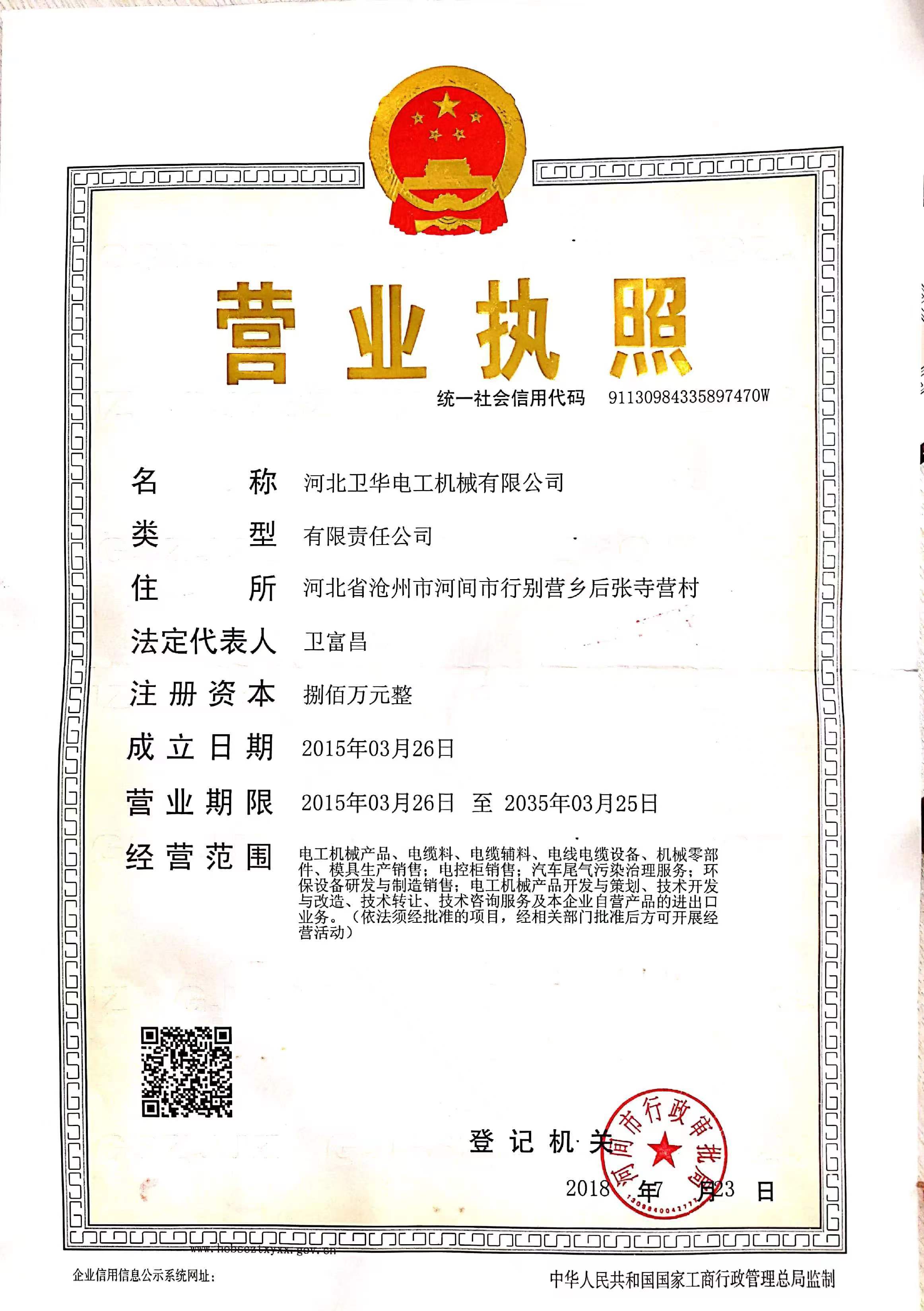
Weihua Electrical Machinery is a professional manufacturer of electrical machinery products integrating design, production, sales and service.




Exploring the Technology Behind Plastic Extruders for Cable Making
2025-06-12 13:41

Exploring the Technology Behind Plastic Extruders for Cable Making
Table of Contents
- 1. Introduction to Plastic Extrusion in Cable Making
- 2. What is Plastic Extrusion?
- 3. Importance of Plastic Extruders in Cable Production
- 4. Types of Plastic Extruders Used in Cable Manufacturing
- 5. The Extrusion Process Explained
- 6. Innovations in Plastic Extruder Technology
- 7. Sustainability in Cable Making Through Extrusion
- 8. The Future of Plastic Extruders in the Cable Industry
- 9. Frequently Asked Questions
- 10. Conclusion
1. Introduction to Plastic Extrusion in Cable Making
In the realm of cable manufacturing, plastic extrusion serves as a cornerstone technology that shapes the future of electrical connectivity. As we explore the intricate mechanisms behind plastic extruders, it becomes evident that these machines are not merely production tools; they represent a synthesis of engineering and innovation. The growing demand for efficient, durable, and cost-effective cables has prompted manufacturers to invest in advanced extrusion technologies, and in this article, we aim to provide a comprehensive understanding of how these systems operate.
2. What is Plastic Extrusion?
Plastic extrusion is a manufacturing process that transforms raw plastic materials into finished products. The process involves heating plastic pellets until they melt and then forcing them through a shaped die to create long continuous shapes. This technique is integral in producing a variety of products, including pipes, sheets, and, critically, cables. The versatility of plastic extrusion lies in its ability to accommodate diverse materials, allowing manufacturers to tailor their products to specific applications.
3. Importance of Plastic Extruders in Cable Production
The role of plastic extruders in cable production cannot be overstated. They ensure that cables are not only functional but also comply with stringent industry standards. The advantages of using plastic extruders in cable manufacturing include:
- **Efficiency**: Extrusion is a continuous process, allowing for high-volume production with consistent quality.
- **Customization**: Different types of plastics can be used to meet varying electrical and mechanical properties.
- **Cost-Effectiveness**: The high throughput of extruders reduces the per-unit cost of production, making cables more affordable.
4. Types of Plastic Extruders Used in Cable Manufacturing
Several types of plastic extruders are utilized in the cable-making process, each designed to meet specific requirements:
4.1 Single-Screw Extruders
Single-screw extruders are the most common type used in the cable industry. They consist of a single screw that rotates within a heated barrel. This design is ideal for processing thermoplastic materials.
4.2 Twin-Screw Extruders
Twin-screw extruders have two intermeshing screws that enhance mixing and feeding capabilities. They are particularly beneficial for processing complex formulations and additives, providing superior material properties.
4.3 Co-Extruders
Co-extruders allow for the simultaneous extrusion of multiple materials, creating layered products. This technique is advantageous when different materials are needed to meet specific electrical or mechanical requirements.
5. The Extrusion Process Explained
Understanding the extrusion process is essential for appreciating its impact on cable production. The process can be broken down into several key stages:
5.1 Material Preparation
Before extrusion begins, raw plastic materials must be prepared. This involves selecting the appropriate plastic type and ensuring it is free from contaminants. The plastic is often blended with additives to enhance its properties, such as UV stability or flame resistance.
5.2 Melting and Mixing
Once the materials are ready, they are fed into the extruder, where they undergo heating. The temperature is carefully controlled to ensure that the plastic melts uniformly without degrading. The mixing action of the screw ensures that additives are evenly distributed throughout the molten plastic.
5.3 Forming and Cooling
As the melted plastic is forced through the die, it takes on the desired shape. The newly formed cable is then cooled, typically using a water bath or air cooling systems, to solidify its structure. This cooling stage is crucial for maintaining the integrity and performance characteristics of the cable.
6. Innovations in Plastic Extruder Technology
The cable manufacturing industry is experiencing rapid advancements in extrusion technology. Key innovations include:
- **Smart Extrusion Systems**: Incorporating IoT and AI, these systems allow for real-time monitoring and adjustments, enhancing production efficiency.
- **Energy-Efficient Designs**: Newer extruders are designed to consume less energy, reducing operational costs and environmental impact.
- **Advanced Material Processing**: Innovations in material science enable the use of new polymers and composites, improving cable performance and durability.
7. Sustainability in Cable Making Through Extrusion
Sustainability is a growing focus in the cable manufacturing industry. Plastic extruders can contribute to greener practices by:
- **Utilizing Recycled Materials**: Many manufacturers are incorporating recycled plastics into their extrusion processes, reducing waste and resource consumption.
- **Energy Recovery Systems**: Advanced extrusion lines can capture and reuse heat generated during the process, further minimizing energy consumption.
8. The Future of Plastic Extruders in the Cable Industry
As technology continues to evolve, the future of plastic extruders in cable manufacturing looks promising. Trends such as increased automation, integration of renewable energy sources, and enhanced recycling methods are set to reshape the landscape. Manufacturers who embrace these innovations will likely lead the industry, delivering superior products while minimizing their environmental footprint.
9. Frequently Asked Questions
What role do additives play in the extrusion process?
Additives are crucial in enhancing specific properties of the plastic, such as flexibility, UV resistance, and flame retardancy. They are mixed with the raw material before extrusion to achieve the desired performance.
How do I choose the right extruder for my cable manufacturing needs?
Selecting the appropriate extruder depends on factors such as the type of material being processed, production volume, and desired cable specifications. Consulting with industry experts can provide tailored recommendations.
What are the environmental impacts of plastic extrusion?
While plastic extrusion can generate waste and consume energy, sustainable practices like recycling materials and implementing energy-efficient systems can mitigate these impacts significantly.
How can advancements in technology improve cable production?
Technological advancements, such as smart monitoring systems and innovative materials, can enhance production efficiency, reduce costs, and improve the quality and durability of cables.
Are there alternatives to plastic in cable manufacturing?
While plastics are widely used due to their versatility and cost-effectiveness, alternatives such as natural fibers and biodegradable materials are being explored to meet sustainability goals.
10. Conclusion
In conclusion, the technology behind plastic extruders is a driving force in the cable manufacturing industry. By understanding the processes, innovations, and sustainability efforts associated with plastic extrusion, manufacturers can harness these advancements to produce high-quality, efficient, and environmentally friendly cables. As we look to the future, embracing technological innovations will be key to maintaining a competitive edge in this ever-evolving field.
Exploring the Technology Behind Plastic Extruders for Cable Making
recommend reading
Key Features to Look for in a Cold Feed Rubber Extruder for Electrical Wiring
Key Features to Look for in a Cold Feed Rubber Extruder for Electrical Wiring Understanding Cold Feed Rubber Extruders Cold feed rubber extruders play a crucial role in the manufacturing of electrical wiring. These machines process raw rubber materials into various forms, ensuring they meet specific standards for electrical applications. Understanding the key features of cold feed rubber extruders
Understanding Rubber Extruders: Key Insights for the Electrical Industry
In the electrical and cable industry, the rubber extruder plays a pivotal role in the manufacturing process, particularly when it comes to producing insulation and jacketing for wires and cables. A rubber extruder is a machine that shapes rubber materials into specific profiles or forms by forcing them through a die. Understanding the fundamentals of rubber extruders can significantly enhance oper
The Essential Guide to Cable Types in Production Lines
The Essential Guide to Cable Types in Production Lines Table of Contents Introduction to Cable Types in Production Lines Understanding Different Types of Cables Single-Core vs. Multi-Core Cables: Which Is Right for You? Types of Cables Commonly Used in Production Lines Power Cables Control Cables Data Cables Specialty Cables
The Essential Role of Plastic Extruders in Cable Manufacturing
Plastic extruders play a pivotal role in the modern manufacturing of electrical wires and cables, particularly in the creation of insulation and protective coatings that ensure durability and performance. These machines are designed to melt plastic pellets and then force the molten material through a die to create continuous shapes, making them indispensable in the production of various cable comp
Comparative Analysis: Different Types of Wire and Cable Extrusion Production Lines
Comparative Analysis: Different Types of Wire and Cable Extrusion Production Lines Introduction to Wire and Cable Extrusion Extrusion is a critical process in the production of wires and cables. This procedure involves forcing molten material through a die to create a continuous product with a fixed cross-sectional profile. In the context of the electrical industry, wires and cables are pivotal fo
Understanding Cold Feed Rubber Extruders: A Key Component in Electrical Wire and Cable Manufacturing
In the realm of electrical wire and cable manufacturing, the cold feed rubber extruder stands out as a pivotal technology. This specialized piece of equipment is designed to process rubber compounds at ambient temperatures, offering several advantages over traditional extrusion methods. Understanding the functionality and benefits of cold feed rubber extruders can help manufacturers optimize their