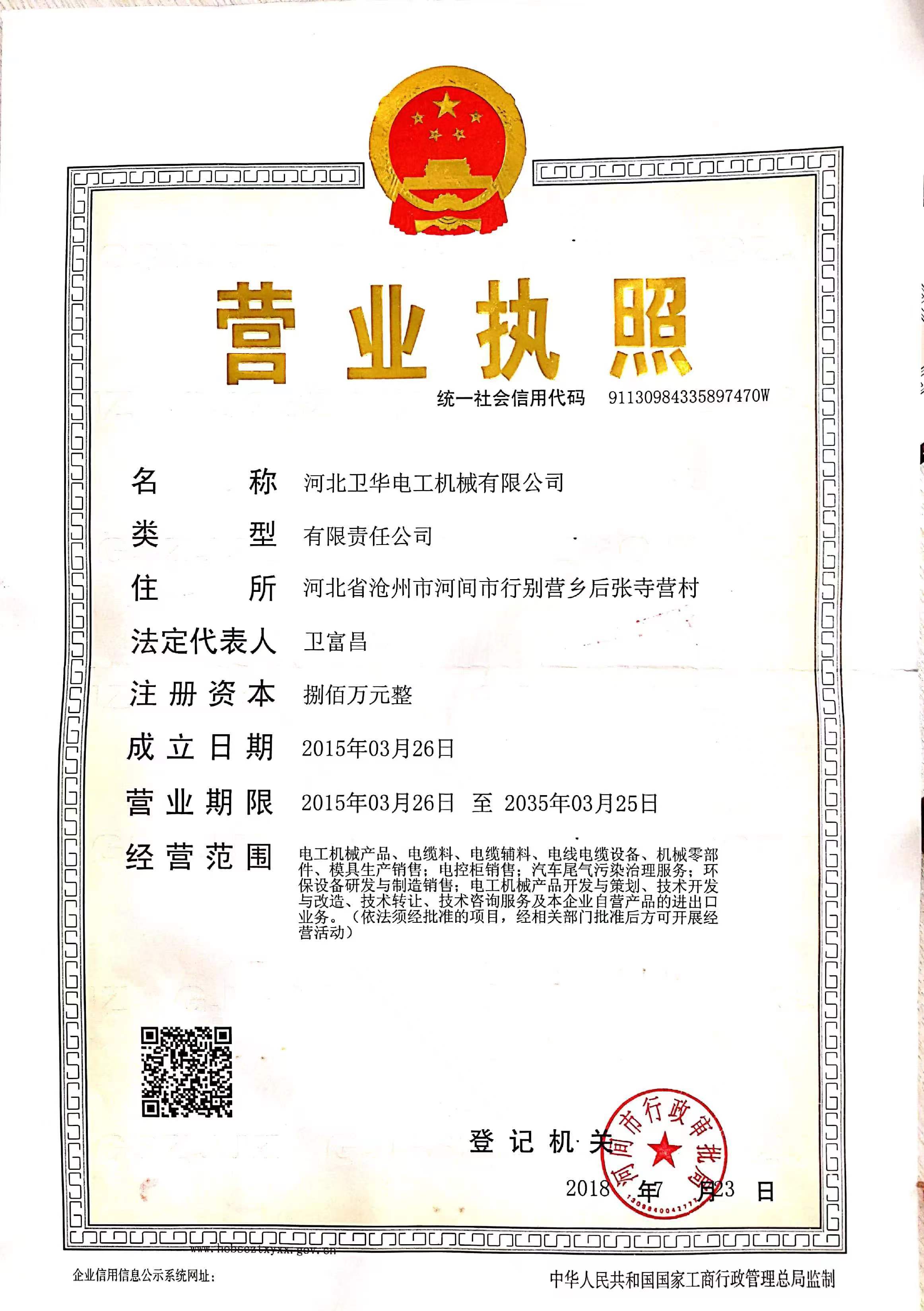
Weihua Electrical Machinery is a professional manufacturer of electrical machinery products integrating design, production, sales and service.




Fostering Innovation in Your Cable Production Line Operations: Strategies for Success
2025-06-02 12:40

Fostering Innovation in Your Cable Production Line Operations
Table of Contents
1. Understanding the Importance of Innovation in Cable Production
2. Key Technologies Transforming Cable Manufacturing
2.1 Automation and Robotics in Production Lines
2.2 The Role of AI and Machine Learning in Streamlining Processes
2.3 Utilizing IoT for Real-Time Monitoring and Control
3. Lean Manufacturing Principles to Enhance Efficiency
3.1 Implementing Just-In-Time Production
3.2 Value Stream Mapping for Continuous Improvement
4. Sustainable Practices in Cable Production
4.1 Eco-Friendly Materials and Processes
4.2 Reducing Waste and Energy Consumption
5. Employee Engagement and Innovation Culture
5.1 Training and Development for Skill Enhancement
5.2 Encouraging Creative Problem Solving
6. Collaboration with Industry Partners
7. Measuring Success: KPIs for Innovative Cable Production
8. Conclusion
9. FAQs
1. Understanding the Importance of Innovation in Cable Production
Innovation in cable production is not merely a trend; it is a necessity for companies aiming to stay competitive in an ever-evolving market. By fostering innovation within your production line operations, you can improve product quality, reduce manufacturing costs, and enhance operational efficiency. In a sector where customer expectations are constantly rising, embracing innovative strategies is crucial for meeting these demands while maintaining profitability.
2. Key Technologies Transforming Cable Manufacturing
2.1 Automation and Robotics in Production Lines
Implementing automation and robotics into your cable production line can significantly enhance efficiency. Automated systems can perform repetitive tasks with precision, reducing human error and maintaining consistent product quality. Robots equipped with advanced sensors can also adapt to changes in the production environment, ensuring that operations run smoothly without interruption.
2.2 The Role of AI and Machine Learning in Streamlining Processes
Artificial Intelligence (AI) and machine learning are revolutionizing cable manufacturing by enabling predictive maintenance, optimizing workflows, and analyzing production data for better decision-making. By processing vast amounts of data, AI can identify inefficiencies and suggest improvements, ensuring that your production line remains agile and responsive to market changes.
2.3 Utilizing IoT for Real-Time Monitoring and Control
The Internet of Things (IoT) allows for real-time monitoring of equipment and operations on your production line. Sensors embedded in machinery can provide instant feedback on performance metrics, enabling quick adjustments and minimizing downtime. By leveraging IoT technology, manufacturers can enhance operational transparency and make data-driven decisions that foster innovation.
3. Lean Manufacturing Principles to Enhance Efficiency
Lean manufacturing is a methodology focused on minimizing waste while maximizing productivity. By adopting lean principles, cable manufacturers can streamline their operations and drive innovation throughout the production process.
3.1 Implementing Just-In-Time Production
Just-In-Time (JIT) production is a key component of lean manufacturing that helps reduce inventory costs and minimize waste. By producing only what is needed, when it is needed, manufacturers can respond quickly to customer demands and optimize resource allocation.
3.2 Value Stream Mapping for Continuous Improvement
Value stream mapping is an effective tool for identifying inefficiencies in your production process. By analyzing each step of the manufacturing workflow, you can pinpoint areas for improvement and implement changes that enhance overall efficiency. Continuous improvement is essential for fostering a culture of innovation within your organization.
4. Sustainable Practices in Cable Production
As environmental concerns continue to grow, adopting sustainable practices in cable production becomes increasingly important. Not only does this contribute to a healthier planet, but it can also enhance your brand's reputation and appeal to environmentally conscious consumers.
4.1 Eco-Friendly Materials and Processes
Exploring alternative materials and eco-friendly processes can significantly reduce the environmental impact of your cable production operations. From using recycled materials to adopting energy-efficient technologies, there are numerous ways to make your production line more sustainable.
4.2 Reducing Waste and Energy Consumption
Implementing strategies to minimize waste and energy consumption is vital for sustainable cable production. Techniques such as lean manufacturing, recycling programs, and energy-efficient machinery can help achieve these goals while also reducing operational costs.
5. Employee Engagement and Innovation Culture
Fostering a culture of innovation requires the active participation of your workforce. Engaged employees are more likely to contribute creative ideas that can enhance production line operations.
5.1 Training and Development for Skill Enhancement
Investing in employee training and development equips your workforce with the necessary skills to adapt to new technologies and processes. Continuous learning opportunities can stimulate innovation and drive improvements in your production line.
5.2 Encouraging Creative Problem Solving
Creating an environment that encourages creative problem solving can lead to significant breakthroughs in your production processes. By empowering employees to share their ideas and suggestions, you can foster a culture of innovation that drives continuous improvement.
6. Collaboration with Industry Partners
Collaborating with industry partners can open up new avenues for innovation in your cable production line. By sharing knowledge, resources, and best practices, you can enhance your operations while staying ahead of industry trends.
7. Measuring Success: KPIs for Innovative Cable Production
To effectively foster innovation in your cable production line, it is essential to establish key performance indicators (KPIs) to measure success. Metrics such as production efficiency, product quality, and waste reduction can provide valuable insights into the effectiveness of your innovation strategies.
8. Conclusion
Fostering innovation in your cable production line operations is essential for maintaining competitiveness in the ever-evolving manufacturing landscape. By embracing cutting-edge technologies, implementing lean manufacturing principles, adopting sustainable practices, and engaging your workforce, you can drive significant improvements in efficiency and product quality. As you prioritize innovation, your organization will be better positioned to meet the demands of the market while achieving long-term success.
9. FAQs
What are the benefits of automation in cable production?
Automation enhances efficiency, reduces human error, and maintains consistent product quality in cable production lines.
How can IoT technology improve cable manufacturing?
IoT technology allows for real-time monitoring of equipment and operations, enabling quick adjustments and minimizing downtime.
What are some sustainable practices for cable production?
Sustainable practices include using eco-friendly materials, reducing waste, and implementing energy-efficient technologies.
How does employee training contribute to innovation?
Training equips employees with the necessary skills to adapt to new technologies and processes, encouraging creative problem-solving and innovation.
What KPIs should be tracked to measure innovation success?
Key performance indicators include production efficiency, product quality, waste reduction, and employee engagement metrics.
Fostering Innovation in Your Cable Production Line Operations: Strategies for Success
recommend reading
Key Features to Look for in a Cold Feed Rubber Extruder for Electrical Wiring
Key Features to Look for in a Cold Feed Rubber Extruder for Electrical Wiring Understanding Cold Feed Rubber Extruders Cold feed rubber extruders play a crucial role in the manufacturing of electrical wiring. These machines process raw rubber materials into various forms, ensuring they meet specific standards for electrical applications. Understanding the key features of cold feed rubber extruders
Understanding Rubber Extruders: Key Insights for the Electrical Industry
In the electrical and cable industry, the rubber extruder plays a pivotal role in the manufacturing process, particularly when it comes to producing insulation and jacketing for wires and cables. A rubber extruder is a machine that shapes rubber materials into specific profiles or forms by forcing them through a die. Understanding the fundamentals of rubber extruders can significantly enhance oper
The Essential Guide to Cable Types in Production Lines
The Essential Guide to Cable Types in Production Lines Table of Contents Introduction to Cable Types in Production Lines Understanding Different Types of Cables Single-Core vs. Multi-Core Cables: Which Is Right for You? Types of Cables Commonly Used in Production Lines Power Cables Control Cables Data Cables Specialty Cables
The Essential Role of Plastic Extruders in Cable Manufacturing
Plastic extruders play a pivotal role in the modern manufacturing of electrical wires and cables, particularly in the creation of insulation and protective coatings that ensure durability and performance. These machines are designed to melt plastic pellets and then force the molten material through a die to create continuous shapes, making them indispensable in the production of various cable comp
Comparative Analysis: Different Types of Wire and Cable Extrusion Production Lines
Comparative Analysis: Different Types of Wire and Cable Extrusion Production Lines Introduction to Wire and Cable Extrusion Extrusion is a critical process in the production of wires and cables. This procedure involves forcing molten material through a die to create a continuous product with a fixed cross-sectional profile. In the context of the electrical industry, wires and cables are pivotal fo
Understanding Cold Feed Rubber Extruders: A Key Component in Electrical Wire and Cable Manufacturing
In the realm of electrical wire and cable manufacturing, the cold feed rubber extruder stands out as a pivotal technology. This specialized piece of equipment is designed to process rubber compounds at ambient temperatures, offering several advantages over traditional extrusion methods. Understanding the functionality and benefits of cold feed rubber extruders can help manufacturers optimize their