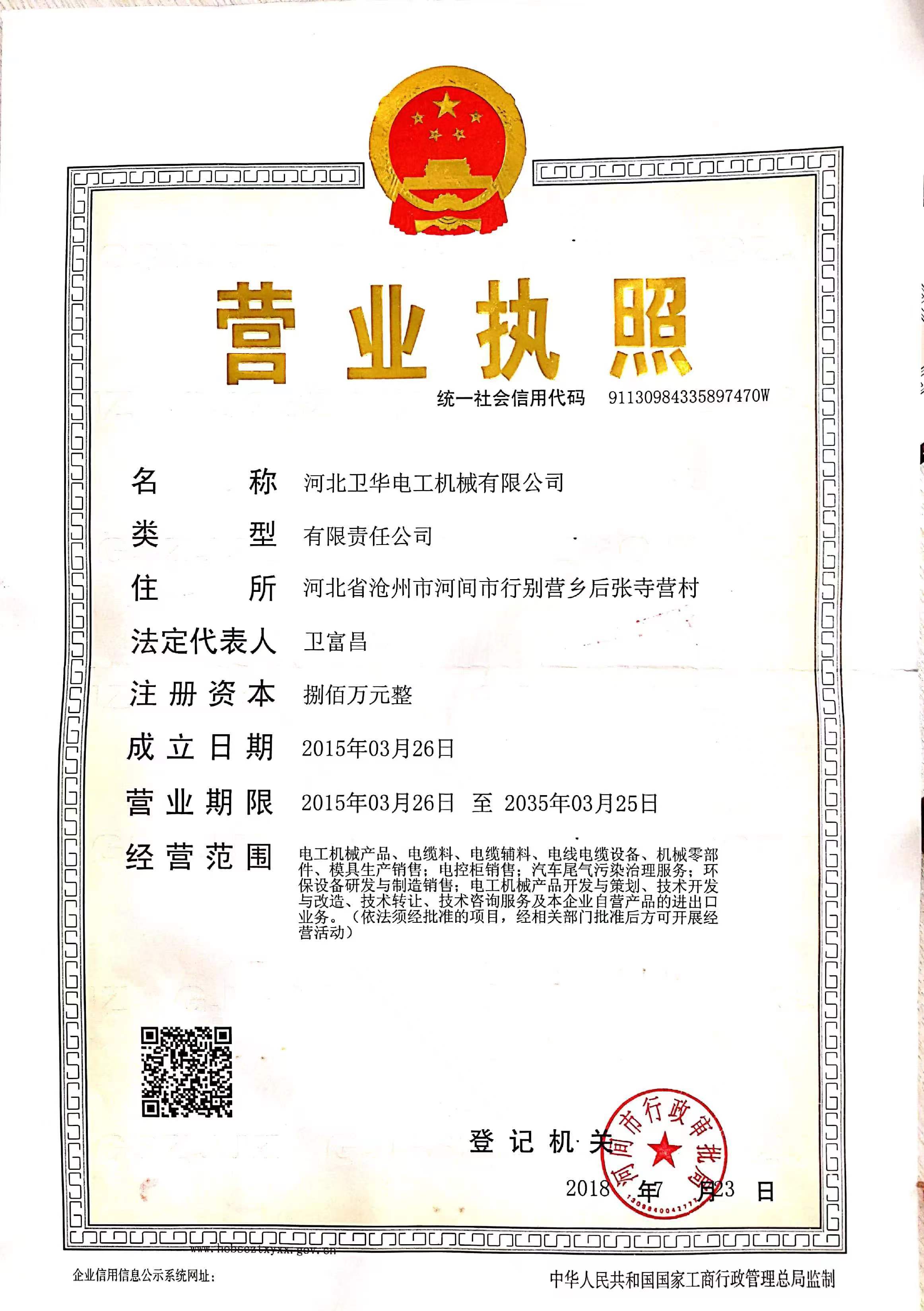
Weihua Electrical Machinery is a professional manufacturer of electrical machinery products integrating design, production, sales and service.




Optimizing Your Cable Production Line: Essential Insights for Efficiency and Quality
2025-05-30 14:20

Firstly, one of the primary considerations in a cable production line is the choice of raw materials. High-quality materials are essential as they directly influence the performance and durability of the finished product. Factors such as conductivity, insulation properties, and resistance to environmental conditions should be assessed when selecting materials. Additionally, establishing reliable supplier relationships can help ensure a consistent supply of these materials, minimizing production delays.
Next, the layout and design of the cable production line play a crucial role in operational efficiency. An optimized layout minimizes material handling and reduces the time taken between production stages. This involves strategically positioning machines to create a smooth flow of operations, reducing bottlenecks and improving overall productivity. Furthermore, investing in automated machinery can streamline processes, ensuring faster production times without compromising on quality.
Quality control is another integral aspect of an efficient cable production line. Implementing rigorous testing protocols at various stages of production can help identify defects early, allowing for immediate corrective actions. Techniques such as visual inspections, electrical testing, and environmental simulations can ensure that the final product meets industry standards and customer expectations. Regular maintenance of machinery is also essential, as it reduces downtime and maintains the consistency of production quality.
Incorporating advanced technology into your cable production line can significantly enhance both efficiency and output quality. Smart manufacturing solutions, including IoT devices and data analytics, provide real-time insights into the production process. This data can help identify areas for improvement and facilitate predictive maintenance, thus preventing unexpected machine failures and production halts.
Employee training and development are equally important in optimizing your cable production line. A well-trained workforce is key to operating machinery efficiently and adhering to quality standards. Regular training sessions can help staff stay updated on the latest technologies and best practices, fostering a culture of continuous improvement within the organization.
In conclusion, optimizing your cable production line requires a multifaceted approach, considering factors such as material selection, layout design, quality control, technological integration, and workforce training. By focusing on these areas, manufacturers can enhance their production efficiency and product quality, ultimately driving business growth and customer satisfaction. The right strategies and practices will result in a streamlined process that not only meets but exceeds industry standards.
Optimizing Your Cable Production Line: Essential Insights for Efficiency and Quality
recommend reading
Key Features to Look for in a Cold Feed Rubber Extruder for Electrical Wiring
Key Features to Look for in a Cold Feed Rubber Extruder for Electrical Wiring Understanding Cold Feed Rubber Extruders Cold feed rubber extruders play a crucial role in the manufacturing of electrical wiring. These machines process raw rubber materials into various forms, ensuring they meet specific standards for electrical applications. Understanding the key features of cold feed rubber extruders
Understanding Rubber Extruders: Key Insights for the Electrical Industry
In the electrical and cable industry, the rubber extruder plays a pivotal role in the manufacturing process, particularly when it comes to producing insulation and jacketing for wires and cables. A rubber extruder is a machine that shapes rubber materials into specific profiles or forms by forcing them through a die. Understanding the fundamentals of rubber extruders can significantly enhance oper
The Essential Guide to Cable Types in Production Lines
The Essential Guide to Cable Types in Production Lines Table of Contents Introduction to Cable Types in Production Lines Understanding Different Types of Cables Single-Core vs. Multi-Core Cables: Which Is Right for You? Types of Cables Commonly Used in Production Lines Power Cables Control Cables Data Cables Specialty Cables
The Essential Role of Plastic Extruders in Cable Manufacturing
Plastic extruders play a pivotal role in the modern manufacturing of electrical wires and cables, particularly in the creation of insulation and protective coatings that ensure durability and performance. These machines are designed to melt plastic pellets and then force the molten material through a die to create continuous shapes, making them indispensable in the production of various cable comp
Comparative Analysis: Different Types of Wire and Cable Extrusion Production Lines
Comparative Analysis: Different Types of Wire and Cable Extrusion Production Lines Introduction to Wire and Cable Extrusion Extrusion is a critical process in the production of wires and cables. This procedure involves forcing molten material through a die to create a continuous product with a fixed cross-sectional profile. In the context of the electrical industry, wires and cables are pivotal fo
Understanding Cold Feed Rubber Extruders: A Key Component in Electrical Wire and Cable Manufacturing
In the realm of electrical wire and cable manufacturing, the cold feed rubber extruder stands out as a pivotal technology. This specialized piece of equipment is designed to process rubber compounds at ambient temperatures, offering several advantages over traditional extrusion methods. Understanding the functionality and benefits of cold feed rubber extruders can help manufacturers optimize their