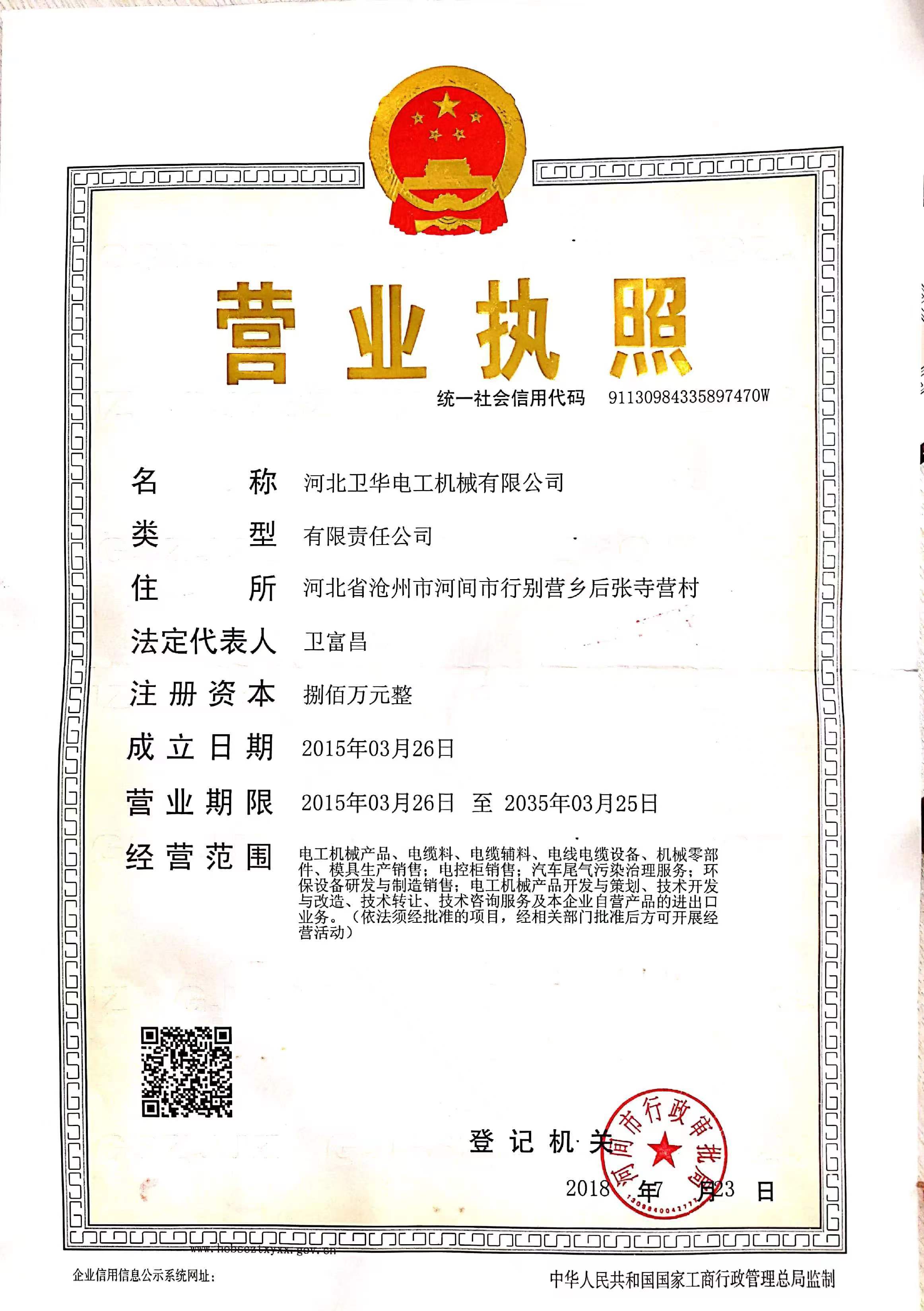
Weihua Electrical Machinery is a professional manufacturer of electrical machinery products integrating design, production, sales and service.




The Advantages of Using Plastic Extruders in Electrical Cable Production
2025-05-27 13:20

The Advantages of Using Plastic Extruders in Electrical Cable Production
Introduction to Plastic Extrusion in Electrical Cable Manufacturing
The electrical cable manufacturing industry has seen remarkable advancements over the past few decades. Central to these innovations is the **technology of plastic extrusion**, which has become an indispensable process in the production of electrical cables. This article will delve into the myriad of **advantages** associated with utilizing plastic extruders in the production of various types of electrical wires and cables.
Understanding Plastic Extruders
Plastic extruders are sophisticated machines designed to process raw plastic materials and transform them into specific shapes or forms. This process involves melting plastic granules and forcing them through a die to achieve a desired profile. In electrical cable production, plastic extruders play a pivotal role in creating insulation, sheaths, and various other components essential to cable functionality.
The Role of Plastic in Electrical Cables
Plastic materials, such as PVC (Polyvinyl Chloride), PE (Polyethylene), and TPR (Thermoplastic Rubber), are commonly used in electrical cables due to their excellent **insulating properties** and resistance to moisture, heat, and chemicals. These materials are crucial for ensuring the safety and efficiency of electrical systems.
Key Advantages of Using Plastic Extruders in Electrical Cable Production
1. Enhanced Production Efficiency
One of the foremost benefits of utilizing plastic extruders is the significantly increased production efficiency. The continuous nature of the extrusion process allows for rapid output without compromising quality. This efficiency translates to reduced production times and lower costs per unit, making it economically viable for manufacturers.
2. Superior Material Quality
Plastic extruders provide precise control over the temperature and pressure during the extrusion process, resulting in **high-quality materials**. This precision ensures consistent thickness and density across the length of the cable, reducing defects and enhancing overall product reliability. The better the material quality, the longer the lifespan of the electrical cable.
3. Versatility in Cable Design
Plastic extrusion technology offers unparalleled versatility, allowing manufacturers to produce a wide variety of cable designs. Whether it’s single-core cables, multi-core cables, or specialized cables for specific applications, plastic extruders can accommodate diverse requirements. This flexibility supports innovation in cable design, enabling manufacturers to meet evolving market demands.
Customizable Properties for Specific Applications
With advancements in extrusion technology, manufacturers can customize the properties of the casing and insulation materials. By adjusting factors such as thickness, color, and added features like UV resistance or flame retardance, plastic extruders facilitate the creation of tailored products that cater to specific use cases.
4. Cost-Effectiveness in Material Use
Plastic extruders optimize the use of raw materials, leading to substantial cost savings. The precision of the extrusion process minimizes waste, and manufacturers can recycle excess material, further enhancing cost-effectiveness. This efficiency not only lowers production costs but also aligns with sustainability initiatives in the industry.
5. Improved Energy Efficiency
Modern plastic extruders are designed with energy efficiency in mind. Advanced heating and cooling systems, along with optimized processing parameters, ensure that energy consumption is kept to a minimum. By reducing energy costs, manufacturers benefit from lower operational expenses while contributing to a more sustainable production footprint.
The Environmental Impact of Plastic Extruders
As the world shifts towards more sustainable practices, the environmental impact of manufacturing processes has come under scrutiny. Plastic extruders, when used responsibly, can contribute positively to sustainability efforts in the electrical cable industry.
1. Reduce, Reuse, Recycle
One of the significant advantages of using plastic in electrical cables is the potential for recycling. Many modern extrusion technologies support the recycling of scrap materials, reducing the overall environmental impact. By reusing materials, manufacturers contribute to a circular economy, minimizing waste and conserving resources.
2. Lower Carbon Footprint
The energy-efficient design of contemporary plastic extruders helps reduce the carbon footprint of the cable manufacturing process. By using less energy and producing less waste compared to traditional manufacturing methods, companies can meet environmental regulations and appeal to eco-conscious consumers.
Challenges of Using Plastic Extruders and How to Overcome Them
While plastic extruders offer numerous advantages, challenges do exist. Understanding these obstacles is essential for manufacturers looking to optimize their production processes.
1. Material Compatibility
Different types of plastics exhibit varying properties, which can complicate the extrusion process. It’s crucial for manufacturers to select appropriate materials that are compatible with their extrusion equipment. Conducting thorough research and testing can mitigate compatibility issues and ensure a smooth production process.
2. Maintenance and Technical Expertise
Plastic extruders require regular maintenance to operate at peak efficiency. Manufacturers must invest in skilled technicians who understand the complexities of the machines. This investment pays off in terms of reduced downtime and improved product quality.
Future Trends in Plastic Extrusion Technology for Electrical Cables
As technology continues to evolve, so too does the landscape of plastic extrusion in the electrical cable industry. Several trends are shaping the future of this technology.
1. Integration of IoT and Automation
The integration of the Internet of Things (IoT) and automation technologies in plastic extrusion processes is on the rise. Real-time monitoring and automated controls enable manufacturers to optimize their operations, resulting in improved efficiency and reduced operational costs.
2. Innovations in Material Science
Ongoing research in material science is leading to the development of new, high-performance polymers that exhibit superior properties. These materials, when used in conjunction with advanced extrusion techniques, can enhance the performance and safety of electrical cables.
3. Focus on Sustainable Practices
As global awareness of environmental issues increases, manufacturers are prioritizing sustainable practices. This focus includes exploring bio-based plastics and improving recycling methods, ensuring that future cable production is not only efficient but also environmentally responsible.
Conclusion
In conclusion, the advantages of using plastic extruders in electrical cable production are vast and varied. From enhanced production efficiency and superior material quality to cost-effectiveness and environmental benefits, plastic extrusion technology is revolutionizing the industry. By embracing this technology, manufacturers can not only improve their processes but also position themselves as leaders in a rapidly evolving market. As we move forward, the combination of innovation and sustainability will be crucial in shaping the future of electrical cable production.
FAQs
1. What types of plastics are commonly used in electrical cable production?
Common materials include PVC, PE, and TPR, each chosen for their specific insulating properties.
2. How does plastic extrusion improve production efficiency?
Plastic extrusion allows for continuous production, reducing cycle times and enhancing overall output.
3. Can plastic extruders handle recycled materials?
Yes, many modern plastic extruders are designed to process recycled materials, promoting sustainability.
4. What maintenance is required for plastic extruders?
Regular cleaning, inspections, and servicing of components are essential to ensure optimal performance.
5. What are the future trends in plastic extrusion technology?
Key trends include automation, IoT integration, and advancements in sustainable materials.
The Advantages of Using Plastic Extruders in Electrical Cable Production
recommend reading
Key Features to Look for in a Cold Feed Rubber Extruder for Electrical Wiring
Key Features to Look for in a Cold Feed Rubber Extruder for Electrical Wiring Understanding Cold Feed Rubber Extruders Cold feed rubber extruders play a crucial role in the manufacturing of electrical wiring. These machines process raw rubber materials into various forms, ensuring they meet specific standards for electrical applications. Understanding the key features of cold feed rubber extruders
Understanding Rubber Extruders: Key Insights for the Electrical Industry
In the electrical and cable industry, the rubber extruder plays a pivotal role in the manufacturing process, particularly when it comes to producing insulation and jacketing for wires and cables. A rubber extruder is a machine that shapes rubber materials into specific profiles or forms by forcing them through a die. Understanding the fundamentals of rubber extruders can significantly enhance oper
The Essential Guide to Cable Types in Production Lines
The Essential Guide to Cable Types in Production Lines Table of Contents Introduction to Cable Types in Production Lines Understanding Different Types of Cables Single-Core vs. Multi-Core Cables: Which Is Right for You? Types of Cables Commonly Used in Production Lines Power Cables Control Cables Data Cables Specialty Cables
The Essential Role of Plastic Extruders in Cable Manufacturing
Plastic extruders play a pivotal role in the modern manufacturing of electrical wires and cables, particularly in the creation of insulation and protective coatings that ensure durability and performance. These machines are designed to melt plastic pellets and then force the molten material through a die to create continuous shapes, making them indispensable in the production of various cable comp
Comparative Analysis: Different Types of Wire and Cable Extrusion Production Lines
Comparative Analysis: Different Types of Wire and Cable Extrusion Production Lines Introduction to Wire and Cable Extrusion Extrusion is a critical process in the production of wires and cables. This procedure involves forcing molten material through a die to create a continuous product with a fixed cross-sectional profile. In the context of the electrical industry, wires and cables are pivotal fo
Understanding Cold Feed Rubber Extruders: A Key Component in Electrical Wire and Cable Manufacturing
In the realm of electrical wire and cable manufacturing, the cold feed rubber extruder stands out as a pivotal technology. This specialized piece of equipment is designed to process rubber compounds at ambient temperatures, offering several advantages over traditional extrusion methods. Understanding the functionality and benefits of cold feed rubber extruders can help manufacturers optimize their